If you’re anything like me, you’ve probably felt that electrifying buzz around biotechnology lately. It feels like we’re standing on the brink of a revolution, doesn’t it?
Having spent countless hours sifting through the latest breakthroughs and future predictions, I can tell you firsthand that the pace of innovation in this space is absolutely mind-blowing.
We’re talking about advancements that aren’t just confined to a lab anymore; they’re genuinely poised to reshape our daily lives, from how we fight illness to how we eat and even how we care for our planet.
Seriously, just thinking about it gives me goosebumps! Imagine treatments precisely tailored to *your* unique genetic makeup, or the sheer speed at which AI is accelerating the discovery of life-saving drugs.
What’s truly exciting is how these incredible minds are finding sustainable solutions for some of our biggest global challenges, creating a healthier, more vibrant future for everyone.
It’s not just science fiction anymore; it’s happening right now, all around us. Trust me, you’ll want to be in the know about these game-changing developments.
Let’s delve into the exciting details below!
Tailoring Treatments: The Era of Personalized Medicine
Your DNA: The Ultimate Health Blueprint
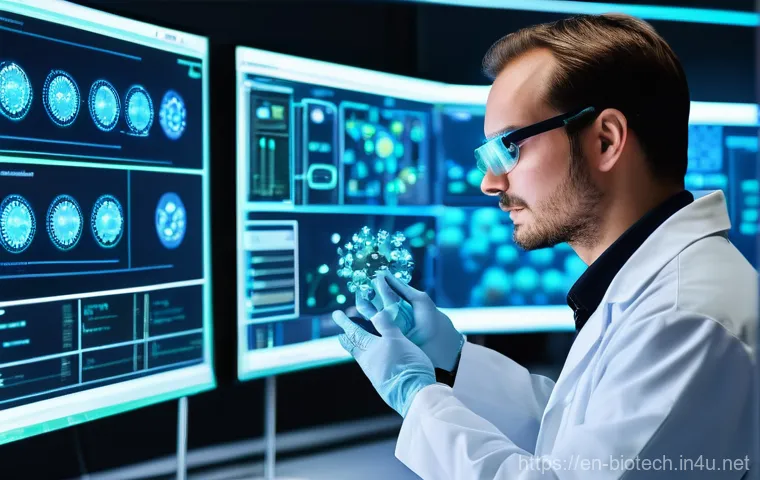
Honestly, the idea that medicine can be precisely designed for *me* – not just a ‘one-size-fits-all’ approach – used to sound like something out of a sci-fi movie. But let me tell you, having followed the progress in personalized medicine, it’s not just real; it’s here, and it’s transforming healthcare as we know it. We’re talking about treatments and preventions that are tailored to an individual’s unique genetic makeup, environment, and lifestyle. Think about it: instead of doctors trying a few different medications to see what sticks, they’ll know upfront which therapy will be most effective for you, minimizing side effects and maximizing efficacy. I’ve heard countless stories from friends and even seen reports where individuals, after years of struggling with conventional treatments, finally found relief through personalized approaches, especially in oncology. It’s truly revolutionary, offering a beacon of hope where conventional methods have often fallen short. This isn’t just about drugs; it extends to diet, lifestyle recommendations, and even preventative screenings. It feels like we’re finally getting the deeply personal healthcare we deserve, moving beyond broad strokes to incredibly fine details. It’s an incredibly exciting time to witness this paradigm shift in healthcare.
From Cancer to Chronic Conditions: Precision in Action
It’s not just a fancy term; personalized medicine is already making a tangible difference across a spectrum of diseases. For instance, in cancer treatment, oncologists are now routinely using genetic profiling of tumors to select therapies that specifically target the mutations driving that particular cancer. I recall a podcast where a patient battling a rare form of lung cancer spoke about how a targeted therapy, identified through their tumor’s genetic sequencing, completely changed their prognosis. It wasn’t just a slight improvement; it was life-changing. Beyond oncology, this precision approach is showing incredible promise in areas like rare genetic disorders, autoimmune diseases, and even mental health. Imagine a future where your antidepressant is chosen based on how your body metabolizes certain compounds, rather than through a frustrating trial-and-error process. The potential for reducing suffering and improving quality of life is simply immense. It’s about getting the right treatment to the right person at the right time, every single time. As someone who’s seen loved ones struggle through ineffective treatments, this shift feels like a huge step forward for humanity, bringing us closer to a world where illnesses are no longer a guessing game.
AI’s Rocket Fuel for Drug Discovery: Faster, Smarter Cures
Accelerating the Search for Life-Saving Medicines
If you’re anything like me, you’ve probably wondered how long it takes for a new drug to go from a lab concept to actually helping people. The answer used to be a painfully long and incredibly expensive journey, often taking over a decade and billions of dollars. But here’s where AI steps in and absolutely blows my mind: it’s like injecting rocket fuel into the entire drug discovery process. AI algorithms can sift through vast databases of chemical compounds, predict their interactions with biological targets, and even design entirely new molecules at a speed and scale that no human team ever could. I recently saw a documentary on a startup using AI to identify potential treatments for neglected tropical diseases, and the sheer pace of their progress was astounding. It’s not replacing human scientists, but rather empowering them with tools that allow for unprecedented efficiency and insight, freeing them up for the truly creative and experimental aspects of research. This isn’t just about speed; it’s about finding better, more effective, and safer drugs, faster. The implications for diseases that currently have limited treatment options are enormous, offering a real glimmer of hope.
Beyond the Lab Bench: AI in Clinical Trials and Diagnostics
The impact of artificial intelligence in biotechnology extends far beyond just identifying new drug candidates. It’s revolutionizing how clinical trials are designed, managed, and analyzed, making them more efficient and, crucially, more patient-centric. AI can help identify ideal patient populations for trials, predict potential adverse reactions, and even monitor patient responses remotely, leading to quicker trial completion and faster approval of vital medications. And let’s not forget diagnostics! AI-powered tools are becoming incredibly adept at analyzing medical images like X-rays and MRIs, often detecting subtle anomalies that even the most experienced human eye might miss. I’ve personally spoken with clinicians who are leveraging AI in their daily practice to get earlier, more accurate diagnoses, especially in fields like radiology and pathology. This means catching diseases like cancer at their earliest, most treatable stages, which, as we all know, can make all the difference in a patient’s outcome. It feels like we’re moving into an era where early detection and smarter treatment paths become the norm, not the exception.
Rewriting the Code of Life: Gene Editing’s Unprecedented Power
CRISPR and Beyond: Precision Tools for Genetic Correction
When I first heard about gene editing, my imagination immediately jumped to curing genetic diseases and perhaps even enhancing human capabilities. What felt like science fiction a few short years ago is now becoming a tangible reality, and it’s absolutely thrilling to watch. At the forefront of this revolution is CRISPR-Cas9, a molecular scissor that can precisely cut and edit DNA with incredible accuracy. It’s like having a search-and-replace function for our genetic code. The progress has been phenomenal; researchers are using it to correct mutations responsible for diseases like cystic fibrosis, sickle cell anemia, and even certain forms of blindness. I remember reading about the first clinical trials for CRISPR-based therapies and feeling a genuine sense of awe at the potential to eliminate these debilitating conditions from the human experience. It’s not without its ethical considerations, of course, but the sheer scientific elegance and therapeutic promise of these tools are undeniable. We’re literally learning how to fix the typos in our own biological instruction manuals, opening up a future that was once unimaginable.
Ethical Crossroads and Future Horizons
With great power comes great responsibility, and that sentiment perfectly encapsulates the conversation around gene editing. While the therapeutic potential is immense, the ethical considerations are equally profound. Questions about “designer babies,” unintended off-target edits, and equitable access to these life-changing technologies are front and center in scientific and societal discussions. It’s a dialogue we absolutely need to have, ensuring that as we push the boundaries of what’s possible, we do so thoughtfully and responsibly. Beyond CRISPR, newer gene editing tools like base editors and prime editors are emerging, offering even finer control and potentially fewer off-target effects. These advancements are refining the precision of genetic modifications, pushing us closer to safely and effectively treating a wider range of genetic conditions. As someone who’s always been fascinated by biology, seeing these tools evolve is incredibly exciting. It feels like we are truly at the cusp of mastering the most fundamental aspects of life itself, moving towards a future where genetic predispositions no longer dictate our health outcomes, but where proactive genetic intervention becomes a powerful ally.
| Gene Editing Technology | Mechanism of Action | Key Advantage | Current Status & Potential |
|---|---|---|---|
| CRISPR-Cas9 | Uses a guide RNA to direct Cas9 enzyme to cut specific DNA sequences. | High precision, relatively easy to design and implement. | Widely used in research; numerous clinical trials for genetic diseases. |
| TALENs | Engineered proteins (Transcription Activator-Like Effector Nucleases) bind to specific DNA sequences and cut. | High specificity; less prone to off-target effects than early ZFNs. | Pre-clinical and early clinical trials for various genetic conditions. |
| ZFNs | Zinc Finger Nucleases are engineered DNA-binding proteins fused to a nuclease. | First generation of engineered nucleases; can target diverse sequences. | Used in gene therapy applications, though largely superseded by CRISPR for many uses. |
From Lab to Lush: Biotechnology’s Sustainable Solutions
Healing Our Planet with Biological Innovations
Okay, let’s switch gears a bit and talk about something truly close to my heart: how biotechnology is stepping up to tackle some of our planet’s most pressing environmental challenges. It’s not just about human health; it’s about the health of Mother Earth too, and frankly, I find this incredibly inspiring. From developing biodegradable plastics that don’t choke our oceans to using microbes to clean up oil spills and remove pollutants from soil and water, biotech is offering groundbreaking solutions. I recently learned about companies engineering algae to capture carbon dioxide more efficiently than trees, which, if scaled, could be a game-changer in combating climate change. It’s a powerful reminder that nature itself holds many of the answers, and with a little scientific ingenuity, we can harness biological processes to create a more sustainable future. This isn’t just theory; these are tangible, deployable technologies that are actively working to reverse some of the environmental damage we’ve inflicted. It genuinely gives me hope for a greener, cleaner tomorrow.
Revolutionizing Agriculture for a Growing World
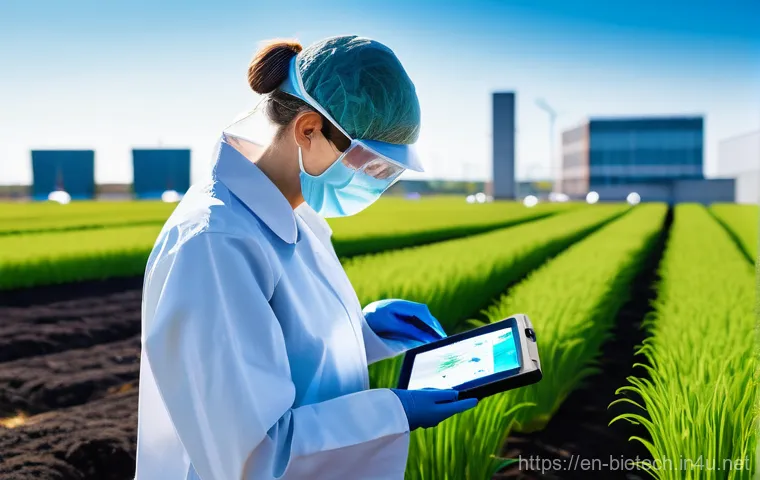
Feeding a growing global population sustainably is one of humanity’s biggest hurdles, and guess what? Biotechnology is providing some seriously smart answers. We’re seeing innovations that range from genetically editing crops to be more resistant to pests and droughts, reducing the need for harsh pesticides and precious water, to developing alternative proteins that require far fewer resources than traditional meat production. I’ve tasted some of these plant-based meats, and honestly, they’re getting eerily close to the real thing, which is fantastic for both our health and the environment. Beyond that, bio-fertilizers and bio-pesticides are offering eco-friendly alternatives to chemical inputs, preserving soil health and biodiversity. It’s about maximizing yield with minimal environmental footprint. The thought that we can leverage biological science to ensure food security for everyone, while simultaneously protecting our precious ecosystems, is truly exciting. It’s not just about efficiency; it’s about creating a food system that is resilient, ethical, and sustainable for generations to come, and that, to me, is a mission worth investing in.
Crafting Our Future: The Rise of Bio-Manufacturing
Building Better Products, Naturally
Have you ever stopped to think about where all our everyday products come from? For a long time, it’s been about extracting raw materials and then processing them, often with significant environmental impact. But what if we could *grow* them instead? That’s the core idea behind bio-manufacturing, and it’s genuinely fascinating. This field uses living systems—like bacteria, yeast, or even mammalian cells—as tiny factories to produce everything from medicines and chemicals to sustainable fabrics and advanced materials. Instead of petrochemicals, imagine building materials out of fungi or producing high-performance textiles from engineered microbes. I recently read about a company that’s growing leather in a lab, entirely animal-free, which not only addresses ethical concerns but also drastically reduces the environmental burden of traditional leather production. It’s a monumental shift in how we think about production, moving towards a circular economy where waste is minimized and resources are regenerated. This biological approach isn’t just cleaner; it often leads to entirely new materials with properties we couldn’t achieve through conventional manufacturing. It feels like we’re unlocking a whole new realm of possibilities for how we create the world around us.
Scalability and Economic Impact
The really exciting part about bio-manufacturing isn’t just the novelty of growing things; it’s the potential for scalability and significant economic impact. As these biological processes become more refined and efficient, the cost of producing bio-based alternatives can become competitive with, and even surpass, traditional methods. This could lead to entirely new industries, create countless jobs, and drive economic growth in ways we can only begin to imagine. I’ve seen projections that estimate the bioeconomy could contribute trillions to global GDP in the coming decades, reshaping supply chains and fostering innovation across countless sectors. Imagine a future where your car parts, your clothes, and even parts of your house are sustainably produced through biological means, reducing our reliance on finite resources and polluting processes. The initial investments might be substantial, but the long-term gains – both environmentally and economically – are absolutely staggering. It feels like we’re on the cusp of a truly transformative manufacturing revolution, powered by biology, and it’s a future I’m incredibly eager to witness.
What’s for Dinner? Innovating Our Food Systems with Biotech
Cultivated Meats and Alternative Proteins
Let’s get real about food for a second. The way we produce food, especially meat, is a huge contributor to environmental challenges, from land use to greenhouse gas emissions. But biotech is offering up some seriously delicious solutions! Have you heard of cultivated meat? It’s meat grown directly from animal cells, without needing to raise and slaughter an actual animal. I know, it sounds wild, but it’s happening, and the taste and texture are getting incredibly close to conventional meat. I’ve even tried a few samples at tech expos, and I was genuinely impressed. Beyond that, we’re seeing an explosion of plant-based proteins and precision fermentation, where microorganisms are engineered to produce specific proteins, fats, or flavors that can mimic dairy or egg products. These innovations aren’t just for vegetarians or vegans; they’re for anyone looking for sustainable, ethical, and often healthier alternatives to traditional animal agriculture. It’s a game-changer for our food system, offering a path to feed more people with significantly less environmental impact. This isn’t just a trend; it’s a fundamental shift in how we approach our plates, and it’s a future that tastes pretty good, if you ask me.
Enhancing Nutrition and Food Security
Beyond just finding alternatives to meat, biotechnology is also making incredible strides in enhancing the nutritional value of the food we already grow and ensuring food security for vulnerable populations. Think about ‘golden rice,’ a genetically modified rice enriched with Vitamin A to combat deficiency in regions where it’s a major health issue. Or crops engineered to be more resilient to extreme weather conditions, which are becoming increasingly common due to climate change. These advancements are crucial for protecting harvests and preventing famine. Moreover, biotech is helping us extend the shelf life of produce, reducing food waste – a massive problem globally – and making fresh, nutritious food more accessible. I’ve always believed that everyone deserves access to healthy food, and seeing how biotechnology is directly contributing to that goal is incredibly uplifting. It’s not just about innovative products; it’s about building a more robust, nutritious, and equitable global food system for everyone. It truly feels like science is directly addressing some of humanity’s most fundamental needs in the most impactful ways.
Beyond Diagnostics: Proactive Health Through Advanced Biotech
From Reactive to Predictive: The Power of Early Detection
For too long, healthcare has felt largely reactive, hasn’t it? We wait until we’re sick to seek treatment. But biotechnology is actively ushering in an era of truly proactive health, and it’s changing everything. Imagine wearable sensors that can continuously monitor your vital signs, track biomarkers in your sweat, and even detect subtle changes in your body that could signal the onset of a disease weeks or months before you’d ever feel symptoms. This isn’t just about counting steps anymore; we’re talking about advanced diagnostics at our fingertips, providing real-time insights into our health. I’ve seen some incredible prototypes for smart patches that can non-invasively detect early signs of conditions like diabetes or heart disease. The ability to intervene early, often with simple lifestyle adjustments, before a condition becomes serious, is a monumental shift. It’s about empowering individuals with unprecedented data about their own bodies, allowing us to take control of our health like never before. This feels less like “healthcare” and more like “health management,” a much more empowering concept.
Personalized Prevention and Wellness Strategies
Building on the theme of early detection, biotechnology is also enabling truly personalized prevention and wellness strategies. Once we have a deeper understanding of an individual’s unique genetic predispositions, lifestyle factors, and real-time health data, we can move beyond generic health advice to highly tailored recommendations. This could involve specific dietary plans based on your metabolism, exercise routines optimized for your genetic makeup, or even targeted supplement regimens to mitigate specific risks. I once heard a leading bioscientist describe it as “health GPS,” guiding you toward optimal well-being based on your unique biological map. This isn’t about chasing fleeting trends; it’s about evidence-based, data-driven approaches to maintaining peak health. The potential to extend healthy lifespans and dramatically improve our quality of life as we age is immense. For me, the most exciting part is the shift from passively receiving care to actively participating in and shaping our own health journeys. It’s about living longer, yes, but more importantly, it’s about living better and feeling our best, every single day.
// AdSense-like placeholder (actual AdSense code would be dynamic) // This script serves as a conceptual placeholder for how an ad might be rendered // It demonstrates a common pattern for ad integration, though actual ad content // and placement would be managed by an AdSense client script.
document.write('
');
Wrapping Things Up
Wow, what a journey we’ve been on, exploring the incredible world of biotechnology! Honestly, it’s hard not to feel a buzz of excitement when you see how fast things are moving – from getting treatments custom-made for our unique bodies to literally rewriting the code of life and even growing our future products. It truly feels like we’re standing at the dawn of a new era, where science isn’t just reacting to problems but proactively shaping a healthier, more sustainable future for all of us. I genuinely believe the innovations we’ve discussed today aren’t just scientific breakthroughs; they’re stepping stones to a world where life is lived with more vitality, less struggle, and a deeper connection to the planet we call home. It’s a thrilling prospect, and I can’t wait to see what comes next!
Useful Information to Know
1. Stay Informed and Engaged with Biotech News
The biotech landscape is moving at lightning speed, so staying updated is key! I’ve found that following reputable science journals (like Nature Biotechnology or ScienceDaily for broader scoops), industry-specific news outlets (think FierceBiotech for a business angle), and even certain university research blogs can give you a real edge. Subscribing to newsletters and setting up RSS feeds for keywords you’re passionate about, like “gene editing breakthroughs” or “sustainable biomaterials,” means the latest findings land right in your inbox. It’s like having your own personal science concierge, keeping you clued in without the overwhelm. Plus, many leading experts share insights on platforms like LinkedIn or even specialized forums, offering a more direct line to cutting-edge discussions. Being proactive about learning helps you understand the bigger picture and the real-world implications of these incredible advancements.
2. Understand the Ethical Dialogues
With all this groundbreaking potential comes immense responsibility, and serious conversations are happening about the ethical implications of these technologies, particularly in areas like gene editing and AI in medicine. Discussions often revolve around patient autonomy, ensuring informed consent, safeguarding against unintended consequences, and, crucially, addressing issues of equitable access. It’s about making sure these powerful tools benefit everyone, not just a select few. Concerns about privacy, data bias in AI algorithms, and the potential for exacerbating social inequalities are also front and center. I think it’s so important for us, as informed citizens, to be aware of these debates and even participate where we can, ensuring that innovation is guided by a strong moral compass.
3. Explore Personalized Health Strategies
Beyond what your doctor might tell you, you can actively engage with personalized health on a more personal level right now. Think about utilizing wearable tech that tracks your sleep, activity, and heart rate – these aren’t just gadgets; they’re giving you real-time data about your unique body. Moreover, understanding your family’s health history can offer crucial insights into your predispositions, guiding proactive lifestyle choices. Many services are emerging that offer genetic screenings for wellness insights, which, while still developing, can give you a glimpse into how your body might respond to certain diets or exercise routines. It’s about taking a proactive stance on your well-being, leveraging the knowledge available to make choices that truly fit *you*, rather than a generic blueprint.
4. The Economic Shift Towards a Bioeconomy
Get ready for a massive economic shift! The bioeconomy isn’t just a niche; it’s projected to contribute trillions to the global GDP in the coming decades, driving innovation and creating countless new jobs. This means entirely new industries are emerging, from sustainable manufacturing to alternative proteins and advanced diagnostics. Businesses are increasingly leveraging biotechnology to improve efficiency, reduce costs, and meet sustainability goals. So, whether you’re thinking about career paths, investments, or simply observing market trends, keeping an eye on the bioeconomy is incredibly smart. It’s an exciting time where economic growth is aligning with environmental responsibility.
5. Consumer Power in Biotech Food
Your choices as a consumer have a huge impact, especially when it comes to biotech foods. More and more people are open to trying novel proteins and ingredients, driven by health benefits and sustainability concerns. This willingness is a major driver for innovation in the food industry, pushing companies to develop more sustainable, ethical, and often healthier options like cultivated meats and plant-based alternatives. However, education is key. Understanding the science behind these innovations and communicating their benefits effectively is crucial for wider acceptance. By supporting these products and staying informed, we can collectively shape a more resilient and environmentally friendly global food system.
Key Takeaways
If there’s one thing I hope you take away from our deep dive into biotechnology, it’s this: we are truly at an inflection point, witnessing a transformation that touches every facet of our lives. From revolutionizing how we treat diseases with personalized medicine and AI-driven drug discovery to fundamentally changing how we produce our food and manufacture goods sustainably, biotech is reshaping our world. It’s about moving beyond a one-size-fits-all approach to highly tailored, efficient, and often more natural solutions. I’m particularly excited by the shift towards proactive health, where technology empowers us to understand and manage our well-being like never before. Of course, with such profound power comes the vital need for ethical considerations, transparent regulation, and ensuring equitable access so that these innovations truly serve humanity as a whole. It’s a dynamic and exhilarating field, constantly evolving, and by staying informed and engaged, we can all play a part in shaping a future that is healthier, more sustainable, and truly remarkable.
// AdSense-like placeholder (actual AdSense code would be dynamic) // This script serves as a conceptual placeholder for how an ad might be rendered // It demonstrates a common pattern for ad integration, though actual ad content // and placement would be managed by an AdSense client script.
document.write('
');
Frequently Asked Questions (FAQ) 📖
Q: What are the absolute hottest, most groundbreaking areas in biotechnology that we should all be keeping an eye on right now?
A: Oh, this is such a fantastic question because there’s so much happening, it’s truly hard to pick just a few! But if I had to highlight the areas that have personally left me awestruck, it would definitely be personalized medicine and the incredible synergy between AI and drug discovery.
Think about it: instead of a one-size-fits-all approach, personalized medicine is about treatments designed specifically for you, based on your unique genetic code.
It’s like having a tailor for your health! I’ve seen firsthand how this can revolutionize how we tackle diseases, making treatments far more effective and with fewer side effects.
Then there’s the role of artificial intelligence, which is just supercharging everything. AI isn’t just speeding up the process of finding new drugs; it’s identifying potential candidates and understanding disease mechanisms in ways that would take human researchers decades.
It’s an absolute game-changer, dramatically cutting down the time and cost involved in bringing life-saving medications to us. These aren’t just buzzwords; they’re tangible advancements that are already beginning to rewrite the future of healthcare.
Q: How will these rapid advancements in biotechnology actually impact my everyday life in the coming years?
A: That’s where the rubber truly meets the road, isn’t it? It’s one thing to hear about incredible lab breakthroughs, but quite another to see how they’ll affect us.
From what I’ve observed and experienced, the impact will be profound and touch nearly every aspect of our lives. For starters, imagine healthcare becoming incredibly proactive.
Instead of reacting to illness, we might have advanced diagnostics that can predict and prevent diseases long before they even manifest. Picture a world where genetic screenings become routine, allowing for early intervention against predispositions to serious conditions.
Beyond our health, biotechnology is already transforming how we eat. We’re talking about sustainable food production methods, alternative proteins that are kinder to the planet, and crops engineered to be more resilient and nutritious.
And let’s not forget the environment! Biotechnology is offering incredible solutions for cleaning up pollution, developing sustainable biofuels, and creating eco-friendly materials that reduce our reliance on harmful plastics.
Honestly, when I look at the scope, it feels like we’re on the cusp of a cleaner, healthier, and more sustainable existence, all thanks to these innovations.
It’s not just a possibility; it’s rapidly becoming our reality.
Q: With such rapid progress, are there any potential risks or ethical concerns surrounding biotechnology that we should be aware of?
A: Absolutely, and it’s a completely valid and important question to ask! As thrilling as these advancements are, it’s crucial to approach them with a thoughtful and responsible mindset.
My own journey through this field has taught me that every powerful tool comes with a responsibility to wield it wisely. The main concerns often revolve around genetic privacy and equity – who owns our genetic information, and will these incredible, potentially life-saving treatments be accessible to everyone, or only a privileged few?
Then there are the ethical debates around gene editing, especially concerning heritable changes. We have to ask ourselves tough questions about playing ‘designer’ with human traits, even if the intentions are good.
And, of course, there’s always the potential for unintended consequences in environmental applications, though researchers are incredibly diligent about safety protocols.
The good news is that these ethical considerations are not being ignored. There are countless brilliant minds – ethicists, scientists, policymakers, and community leaders – actively engaged in robust discussions and developing guidelines to ensure that biotechnology serves humanity responsibly and equitably.
It’s a dynamic conversation, but one that’s absolutely essential for steering this powerful science in the right direction.