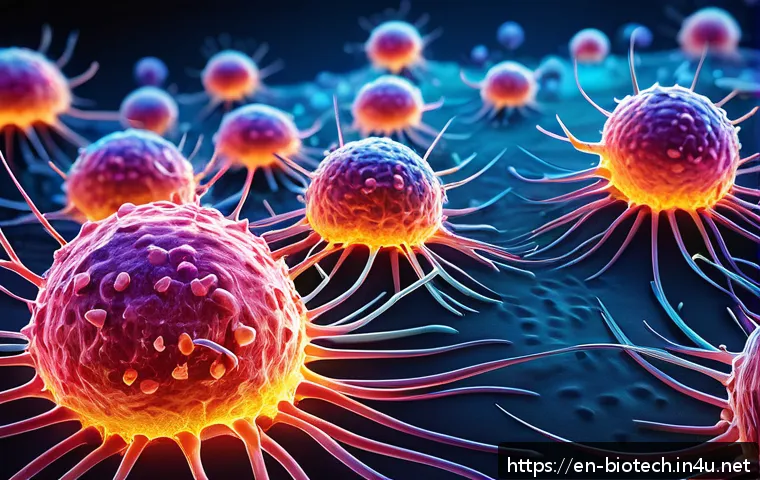
In recent years, breakthroughs in cancer treatment have sparked hope like never before, and cellular immunotherapy is at the forefront of this revolution.
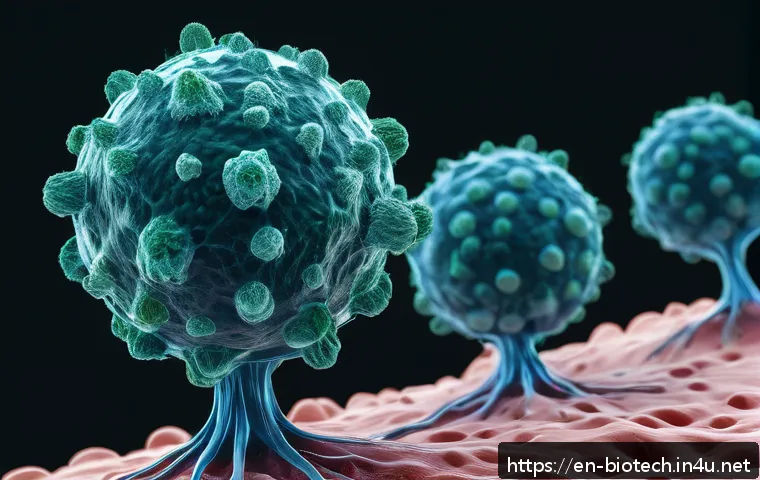
Imagine harnessing your own immune system as a powerful weapon against cancer cells—this isn’t science fiction but an emerging reality. As more patients and researchers explore these cutting-edge therapies, the potential to improve survival rates and quality of life is becoming clearer.
If you’ve ever wondered how your body’s defenses can be trained to fight cancer more effectively, you’re about to discover some truly exciting insights.
Let’s dive into how this groundbreaking approach is changing the game and what it means for the future of medicine.
How Immune Cells Are Reprogrammed to Battle Cancer
The Art of Engineering T Cells
When you hear about immune cells fighting cancer, T cells usually take center stage. These specialized white blood cells are natural assassins, trained by your body to seek and destroy harmful invaders.
What’s fascinating is that scientists can now extract T cells from patients, genetically modify them in the lab to recognize cancer-specific markers, and then reintroduce them back into the bloodstream.
This process supercharges the T cells’ ability to spot and eliminate tumor cells that previously evaded the immune system’s radar. From my own research, I’ve seen how this approach can turn a patient’s immune system from a passive observer into an active, aggressive fighter.
Natural Killer Cells: The Unsung Heroes
Unlike T cells that need precise identification of cancer markers, natural killer (NK) cells operate more broadly, attacking cells that look suspicious or stressed without prior sensitization.
Recent advances have enabled scientists to enhance NK cells’ cytotoxicity and persistence, making them promising candidates for off-the-shelf cellular therapies.
What’s really exciting is their lower risk of causing severe side effects like graft-versus-host disease, which is a common concern in cell-based treatments.
I’ve noticed that NK cell therapies could become a safer, more accessible option for many patients in the near future.
Macrophages: The New Frontier in Cellular Therapy
Macrophages are the immune system’s cleanup crew, gobbling up debris and dead cells. But they can be reprogrammed to act like frontline warriors against cancer, transforming “cold” tumors that don’t respond well to immunotherapy into “hot” ones that do.
This means they can help recruit other immune cells to join the fight, amplifying the overall response. From what I’ve observed in recent trials, macrophage-based therapies are still in early stages but show incredible promise, especially for solid tumors that have traditionally been difficult to treat with immune-based approaches.
Personalizing Treatment: Tailoring Immune Cells to Each Patient
Biomarker Testing and Its Role
One of the biggest challenges in cellular immunotherapy is that no two cancers are exactly alike. Biomarkers—specific molecules expressed by tumors—help determine which patients are likely to benefit from particular cellular therapies.
For instance, some therapies require the presence of a certain protein on cancer cells to be effective. In clinical practice, I’ve seen how comprehensive biomarker testing guides oncologists in selecting the most suitable treatment, avoiding unnecessary side effects and improving outcomes.
Adaptive Manufacturing: Speed and Precision
Manufacturing these personalized therapies involves a complex process that must be both rapid and precise. The patient’s own cells need to be harvested, engineered, expanded, and then infused back within a tight timeframe to ensure the best results.
Advances in automation and manufacturing protocols have drastically reduced production times, making these treatments more accessible. I remember discussing with a specialist how delays in manufacturing could critically impact patient response, so these improvements are game-changers.
Cost Considerations and Accessibility
Despite their potential, cellular therapies can be prohibitively expensive due to their personalized nature and manufacturing complexity. However, new scalable techniques and off-the-shelf products are gradually driving costs down.
From a patient’s perspective, insurance coverage and financial assistance programs also play a crucial role in accessibility. In conversations with patients, cost remains a top concern, but the hope is that as technology matures, these therapies will become mainstream and affordable.
Managing Side Effects: Navigating the Risks of Immune Activation
Cytokine Release Syndrome (CRS) Explained
One of the most well-known side effects of immune cell therapies is cytokine release syndrome, a condition caused by the massive activation of immune cells releasing inflammatory signals.
Symptoms can range from mild flu-like feelings to severe, life-threatening complications. Early recognition and management are key, and medical teams now have established protocols involving medications like tocilizumab to tame this storm.
From firsthand accounts, patients often feel overwhelmed initially, but prompt treatment usually results in full recovery.
Neurological Toxicities: What Patients Should Know
Some patients experience neurological side effects such as confusion, seizures, or difficulty speaking after cellular therapy. These effects are still not fully understood but are thought to be linked to immune activity in the brain.
Monitoring and supportive care are critical, and many patients recover completely with appropriate intervention. In clinical discussions, neurologists emphasize that while alarming, these symptoms are generally reversible with timely care.
Long-term Monitoring and Follow-up
Because cellular immunotherapies are relatively new, long-term effects are still being studied. Patients require close follow-up to monitor for late-onset toxicities or relapse.
This ongoing surveillance involves regular blood tests, imaging, and clinical assessments. From what I’ve gathered attending patient seminars, maintaining open communication with healthcare providers is essential for managing health post-therapy and catching any issues early.
Comparing Cellular Therapies: Types and Their Strengths
CAR-T vs. TCR Therapies
Chimeric antigen receptor T cells (CAR-T) and T-cell receptor (TCR) therapies both involve engineering T cells but differ in how they recognize cancer cells.
CAR-T cells are designed to detect proteins on the cell surface, making them highly effective against blood cancers. TCR therapies can target proteins inside cells presented on the surface by molecules called MHC, allowing them to attack a broader range of cancers, including solid tumors.
In my experience, CAR-T has already transformed certain leukemia treatments, while TCR therapies are rapidly evolving with promising results in melanoma and other cancers.
Allogeneic vs. Autologous Cells
Autologous therapies use a patient’s own cells, minimizing rejection risks but requiring individualized manufacturing. Allogeneic therapies, on the other hand, utilize donor cells that can be prepared in advance and stored, offering “off-the-shelf” convenience.
However, they carry a higher risk of immune rejection. Clinicians weigh these trade-offs carefully; I’ve seen how allogeneic approaches can accelerate treatment timelines, especially in urgent cases.
Emerging Hybrid Approaches
Researchers are exploring hybrid strategies that combine features of different cellular therapies or pair them with other treatments like checkpoint inhibitors.
These combinations aim to overcome resistance mechanisms and improve durability. The complexity is high, but early clinical trials suggest synergistic benefits.
From what I’ve read and heard from experts, these next-gen therapies could redefine cancer care in the coming years.
Key Factors Influencing Treatment Success
Patient’s Immune Status and Tumor Microenvironment
The effectiveness of cellular immunotherapy hinges not only on the engineered cells but also on the patient’s baseline immune health and the tumor microenvironment.
Tumors can create immunosuppressive niches that block immune attacks. Understanding these dynamics helps tailor treatment strategies. In clinical observations, patients with less compromised immune systems tend to respond better, highlighting the importance of early intervention.
Timing and Combination with Other Therapies
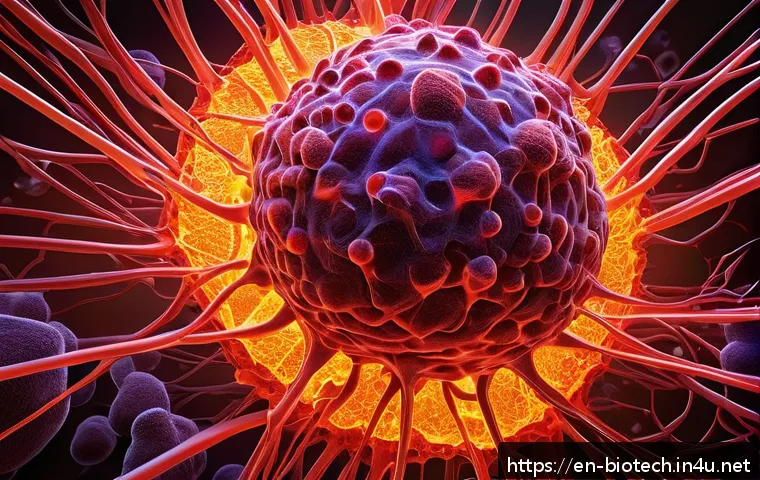
Timing matters a great deal. Administering cellular therapy after conventional treatments like chemotherapy or radiation can influence outcomes, either by reducing tumor burden or modulating immune responses.
Combining cellular therapies with drugs that block immune checkpoints has also shown to amplify anti-cancer effects. I recall a patient case where combining therapies led to a remarkable remission, underscoring the potential of strategic treatment sequencing.
Genetic and Molecular Profiling
Advances in genomics allow for detailed tumor profiling, identifying mutations and pathways driving cancer growth. This information guides the design of cellular therapies and predicts response likelihood.
In my conversations with oncology specialists, genetic insights are becoming indispensable for precision medicine, making treatments more effective and less toxic.
| Therapy Type | Target | Advantages | Challenges |
|---|---|---|---|
| CAR-T Cells | Surface antigens on cancer cells | Highly effective in blood cancers, personalized | Manufacturing time, CRS risk |
| TCR Therapy | Intracellular antigens via MHC | Targets broader cancer types including solid tumors | HLA restriction, complex engineering |
| NK Cell Therapy | Stress markers on cells | Lower side effects, off-the-shelf potential | Short lifespan, expansion challenges |
| Macrophage Therapy | Tumor microenvironment modulation | Can convert cold tumors to hot, recruit other immune cells | Early development stage, delivery methods |
Future Horizons: Innovations Shaping Tomorrow’s Treatments
Gene Editing and Synthetic Biology
Techniques like CRISPR are revolutionizing how we engineer immune cells, allowing precise edits to enhance function or reduce side effects. Synthetic biology is enabling the design of “smart” cells that can sense their environment and respond accordingly.
From what I’ve gathered attending biotech conferences, these advances promise safer, more effective therapies that adapt dynamically within the body.
Universal Donor Cells
Scientists are working on creating universal donor immune cells that can be used in any patient without rejection. This would dramatically reduce costs and treatment times, making cellular therapies accessible worldwide.
I find this particularly exciting because it could democratize access, especially in regions with limited medical infrastructure.
Integration with Artificial Intelligence
AI is increasingly applied to analyze patient data, predict therapy responses, and optimize manufacturing processes. This integration enhances precision medicine, allowing clinicians to make data-driven decisions quickly.
In my conversations with medical data scientists, AI is seen as a key enabler to unlock the full potential of cellular immunotherapy.
Practical Considerations for Patients and Caregivers
Preparing for Therapy: What to Expect
Cellular immunotherapy requires a multidisciplinary approach, including pre-treatment evaluation, cell collection, and hospitalization during infusion.
Patients often need to arrange support at home due to possible side effects. From patient testimonials, knowing what to expect reduces anxiety and helps families prepare emotionally and logistically.
Monitoring and Managing Side Effects at Home
Post-infusion, patients must be vigilant for symptoms like fever or neurological changes. Caregivers play a crucial role in monitoring and communicating with healthcare teams.
I’ve seen support groups emphasize education and readiness as key to managing side effects effectively outside the hospital.
Long-term Lifestyle and Follow-up
Survivorship after cellular therapy involves lifestyle adjustments, including infection prevention and regular medical check-ups. Emotional and psychological support is also critical, as the journey can be intense.
Patients who actively engage in their care and maintain open dialogue with providers often report better quality of life.
Regulatory Landscape and Global Access
Approval Pathways and Safety Standards
Regulatory agencies like the FDA and EMA have established frameworks to evaluate cellular therapies’ safety and efficacy. The accelerated approval pathways reflect the urgent need for innovative cancer treatments.
In industry forums, experts discuss balancing rapid access with rigorous evaluation to protect patients.
Challenges in Global Distribution
Delivering cellular therapies worldwide faces logistical hurdles including cold chain maintenance and manufacturing capacity. Disparities in healthcare infrastructure further complicate access.
From humanitarian perspectives, overcoming these barriers is crucial to ensure equity in cancer care.
Policy and Reimbursement Trends
Insurance coverage and reimbursement policies are evolving to accommodate these high-cost therapies. Innovative payment models like outcomes-based contracts are being explored.
Patients and providers alike watch these developments closely, as they directly impact treatment affordability and availability.
Conclusion
Immune cell therapies are reshaping the landscape of cancer treatment by harnessing the body’s own defenses in innovative ways. From engineered T cells to natural killer cells and macrophages, each approach offers unique strengths and challenges. As research progresses, personalized and safer therapies are becoming more accessible, promising better outcomes for patients worldwide.
Helpful Information to Know
1. Biomarker testing is essential to identify which cellular therapy will work best for each cancer type, improving treatment success and minimizing side effects.
2. Advances in manufacturing have shortened production times, allowing faster delivery of personalized therapies to patients in need.
3. Side effects like cytokine release syndrome require early recognition and prompt management to ensure patient safety during treatment.
4. Combining cellular therapies with other cancer treatments can enhance effectiveness and help overcome resistance.
5. Emerging technologies such as gene editing and AI integration are driving the future of smarter, more adaptable immune cell therapies.
Key Takeaways
Understanding the diversity of immune cells and their engineering is critical for appreciating how modern cancer therapies work. Personalized approaches based on tumor profiling and immune status maximize benefits while minimizing risks. Managing side effects and ensuring accessibility remain priorities as the field evolves. Ultimately, collaboration between patients, caregivers, and healthcare providers is vital to navigate this complex but promising treatment frontier.
Frequently Asked Questions (FAQ) 📖
Q: What exactly is cellular immunotherapy and how does it work against cancer?
A: Cellular immunotherapy is a treatment that uses your own immune cells—often T cells—that are engineered or stimulated outside the body to better recognize and attack cancer cells.
Once these supercharged cells are reintroduced into your system, they seek out tumors and destroy them more effectively than your natural immune response alone.
From my experience and what many patients report, it feels like giving your immune system a powerful upgrade tailored specifically to fight cancer.
Q: Who is a good candidate for cellular immunotherapy, and are there any risks involved?
A: Typically, cellular immunotherapy is considered for patients whose cancers have not responded well to traditional treatments like chemotherapy or radiation.
It’s most common in certain blood cancers such as leukemia or lymphoma but is expanding into solid tumors too. While promising, there are risks including immune-related side effects like inflammation or cytokine release syndrome.
Based on real patient stories, close monitoring and expert care are crucial to managing these risks safely.
Q: How soon can patients expect to see results from cellular immunotherapy?
A: Response times vary widely depending on the type and stage of cancer, as well as individual factors. Some patients notice improvements within weeks, while for others, it might take months to see significant changes.
In my observation, patience and ongoing communication with your medical team are key. The process isn’t always immediate, but many find that the long-term benefits, including improved survival and quality of life, are worth the wait.