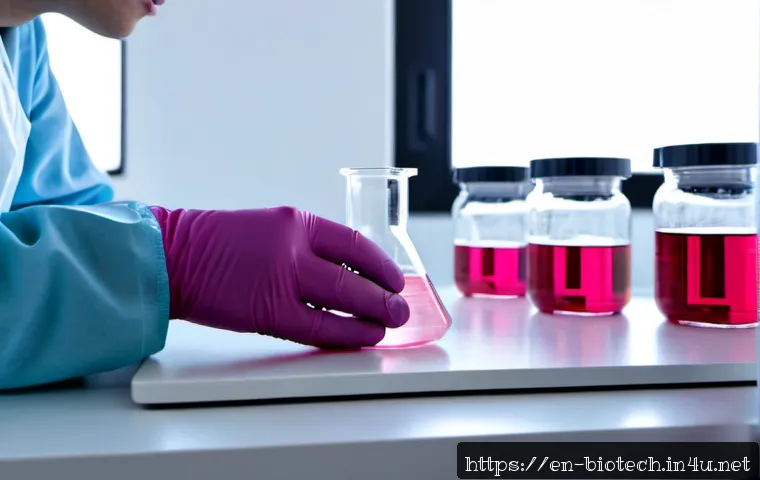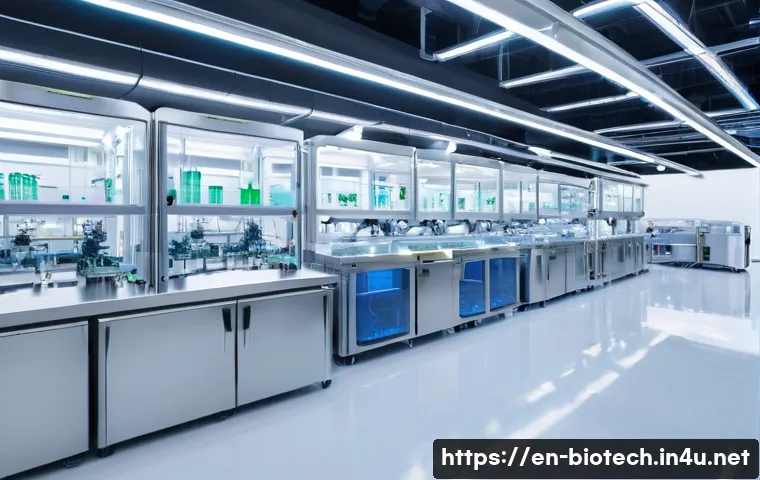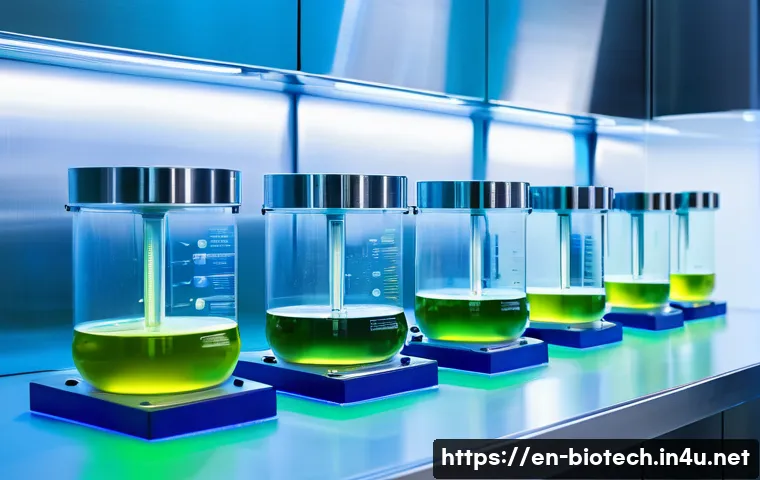
Biological reactors play a crucial role in modern biotechnology, enabling controlled environments where microorganisms or cells can efficiently produce valuable products like enzymes, pharmaceuticals, and biofuels.
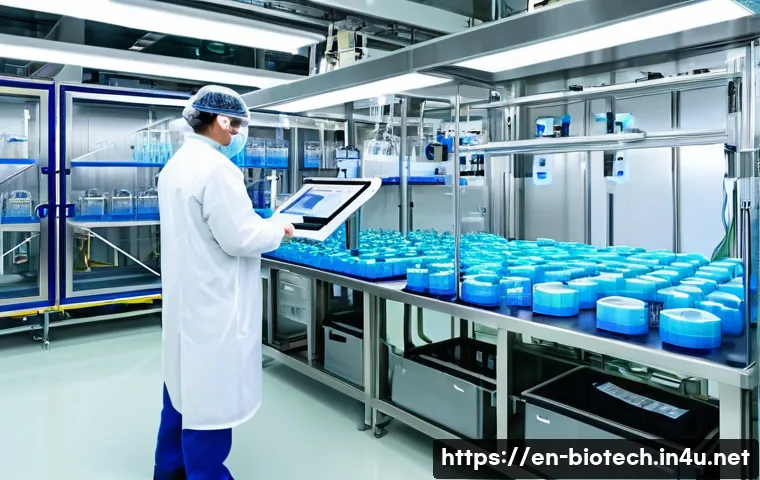
They are essential for scaling up laboratory processes to industrial levels while maintaining optimal conditions for growth and productivity. Advances in bioreactor design continue to enhance sustainability and cost-effectiveness in various industries.
Understanding how these systems work can open doors to exciting innovations in health and environmental solutions. Let’s dive in and explore the fascinating world of biological reactors in detail!
Optimizing Microbial Growth Environments
Fine-Tuning Temperature and pH for Maximum Yield
Creating the perfect environment inside a bioreactor means carefully controlling factors like temperature and pH. Microorganisms are quite sensitive to these conditions; even a slight deviation can slow down their metabolism or kill them outright.
From my experience working with yeast fermentation, maintaining the temperature around 30°C and pH near neutral really boosted enzyme production. It’s fascinating how some bacteria thrive at very acidic or alkaline pH levels, which is why adjusting these parameters based on the organism’s natural habitat is crucial.
This precise control not only maximizes product output but also reduces waste, improving overall process efficiency.
Oxygen Supply and Mixing Techniques
Aerobic organisms need a steady supply of oxygen, and this is where bioreactor design shines. Efficient oxygen transfer involves sparging air or pure oxygen through the liquid culture and using impellers to mix the contents thoroughly.
I’ve noticed that poor mixing creates zones with low oxygen concentration, leading to uneven growth and lower yields. On the other hand, too vigorous stirring can damage delicate cells.
Balancing these elements often requires trial and error but is essential for keeping cells happy and productive. Innovations like microbubbles and membrane aeration are now pushing the boundaries of oxygen delivery, enabling better scale-up from lab to industrial scales.
Monitoring and Automation for Consistency
Modern bioreactors often feature sophisticated sensors and automated controls that constantly monitor variables such as dissolved oxygen, nutrient levels, and cell density.
When I first started using these systems, I was amazed by how real-time data allowed quick adjustments, preventing batch failures and improving reproducibility.
Automation reduces human error and frees up time to focus on optimizing other process parameters. Plus, integrating machine learning can predict trends and optimize feeding strategies, pushing productivity even further.
This blend of technology and biology is truly reshaping how we approach fermentation and cell culture.
Design Innovations Driving Efficiency
Single-Use Bioreactors: Convenience Meets Performance
Single-use bioreactors have revolutionized bioprocessing by eliminating the need for cleaning and sterilization between batches. This saves both time and resources, which is especially beneficial for small-scale or multi-product facilities.
I’ve personally seen how switching to disposable bags cut down turnaround time dramatically in a pilot plant setting. These systems also reduce contamination risk, a huge advantage in pharmaceutical production.
Although single-use options have size limitations, ongoing improvements in materials and design are expanding their capabilities, making them a popular choice across industries.
Continuous vs. Batch Processing: Choosing the Right Strategy
Deciding between batch and continuous operation depends on the product and process goals. Batch reactors are straightforward and ideal for products with strict quality requirements or limited production runs.
Continuous bioreactors, however, offer steady-state conditions that can increase productivity and reduce downtime. In one project involving biofuel production, switching to continuous fermentation improved yields and lowered operational costs significantly.
However, continuous systems require more complex control and monitoring to maintain stability over long periods, making them a bit more challenging to operate.
Scaling Up: From Bench to Plant
Scaling up bioprocesses is a complex task that requires maintaining similar physiological conditions across vastly different volumes. When I was involved in scaling a protein expression system, we encountered issues like oxygen limitation and heat transfer inefficiencies that weren’t evident in small-scale runs.
Addressing these required redesigning impellers and optimizing feed rates. The key is to understand the parameters that most influence cell growth and product formation and to ensure they remain consistent throughout the scale-up.
Computational fluid dynamics (CFD) simulations and pilot-scale experiments have become invaluable tools in this stage.
Applications Transforming Industries
Pharmaceutical Manufacturing
Bioreactors are indispensable in producing vaccines, monoclonal antibodies, and recombinant proteins. The ability to cultivate mammalian cells in controlled environments has dramatically improved the availability and safety of biologic drugs.
I recall a case where optimizing the bioreactor conditions reduced the production time of a therapeutic antibody by 20%, enabling faster delivery to patients.
The stringent regulatory standards in pharma also drive continuous improvements in bioreactor design to ensure product consistency and minimize contamination risks.
Biofuel Production and Environmental Impact
The biofuel industry relies heavily on bioreactors to convert biomass into ethanol, biodiesel, and other renewable fuels. Effective fermentation of feedstocks like corn, sugarcane, or algae depends on robust reactor performance.
I’ve observed that tweaking parameters such as substrate concentration and agitation can significantly enhance fuel yields. Moreover, bioreactors contribute to sustainability by enabling the use of waste materials and reducing greenhouse gas emissions compared to fossil fuels.
The integration of genetically engineered microorganisms is pushing the boundaries further, making biofuels more economically viable.
Food and Beverage Innovations
From brewing beer to producing probiotics, bioreactors are at the heart of many food and beverage processes. The control over fermentation conditions translates directly into product flavor, texture, and safety.
I once collaborated on a project optimizing yogurt production, where precise temperature and pH control resulted in improved consistency and shelf life.
Advances in bioreactor technology also allow for novel food ingredients like enzymes and bioactive compounds to be produced at scale, opening new possibilities for healthier, functional foods.

Key Parameters and Their Impact on Productivity
| Parameter | Typical Range | Impact on Process | Common Control Methods |
|---|---|---|---|
| Temperature | 20-37°C (varies by organism) | Affects enzyme activity and cell metabolism rates | Heating/cooling jackets, PID controllers |
| pH | 4.0-8.0 (depends on species) | Influences nutrient solubility and cellular function | Acid/base addition, buffer systems |
| Dissolved Oxygen | 20-100% saturation | Essential for aerobic growth and product formation | Air/oxygen sparging, agitation speed adjustment |
| Agitation Speed | 50-1000 rpm (scale dependent) | Ensures homogeneous mixing and oxygen transfer | Variable speed drives, impeller design |
| Substrate Concentration | Varies widely | Determines growth rate and product yield | Fed-batch feeding, continuous feed pumps |
Challenges and Future Directions
Contamination Control and Sterility
Maintaining sterility is a constant battle in bioprocessing. Contaminants can outcompete the desired microorganisms or spoil the product. Despite rigorous sterilization protocols, contamination still occurs, leading to costly batch losses.
I’ve experienced firsthand how even minor lapses in aseptic technique can ruin a week’s worth of work. Advances in closed-system bioreactors and real-time contamination detection are promising solutions, aiming to minimize human intervention and improve reliability.
Integration of Digital Technologies
The rise of Industry 4.0 is transforming bioreactor management. Digital twins, AI-driven analytics, and IoT sensors enable unprecedented control and insight into bioprocesses.
I’ve seen how predictive maintenance and process optimization powered by these technologies reduce downtime and increase yields. The challenge lies in integrating diverse data streams into user-friendly platforms and training operators to leverage these tools effectively.
The future points toward fully autonomous biomanufacturing facilities that self-optimize and self-correct.
Engineering More Robust Microorganisms
Genetic engineering is expanding what bioreactors can achieve by creating strains that tolerate harsher conditions or produce novel compounds. During a project involving engineered bacteria for pollutant degradation, the ability to operate at higher temperatures and variable pH reduced costs and environmental risks.
However, regulatory hurdles and public perception remain challenges for widespread adoption. Continued research in synthetic biology and metabolic engineering promises to unlock even more capabilities, making bioreactors versatile platforms for sustainable production.
Material Choices and Their Impact on Bioreactor Performance
Stainless Steel vs. Single-Use Materials
Stainless steel bioreactors are durable and well-suited for large-scale, repeated use, but they require extensive cleaning and sterilization. On the other hand, single-use bioreactors, made from specialized polymers, offer flexibility and reduce contamination risks but are typically limited in size.
My experience in pilot plants showed that switching between these materials depends largely on production volume, cost considerations, and product sensitivity.
Understanding these trade-offs is key to selecting the right system for specific applications.
Surface Treatments and Coatings
The internal surfaces of bioreactors can be treated or coated to reduce biofilm formation and improve cleanability. Smooth, non-porous surfaces help prevent microbial attachment, which can lead to contamination or product degradation.
I’ve noticed that bioreactors with advanced coatings require less downtime for cleaning and maintain consistent performance over longer runs. Innovations like antimicrobial coatings and self-cleaning materials are emerging, promising to further enhance operational efficiency.
Impact of Material on Product Quality
Material choice can influence product purity and yield. For instance, metal ions leaching from stainless steel can affect sensitive cultures or downstream processing.
Single-use plastics reduce this risk but may introduce extractables and leachables that require thorough validation. When developing a new biologic, I’ve had to carefully evaluate these factors during process development to ensure product safety and regulatory compliance.
Balancing durability, cost, and biocompatibility remains a complex but vital aspect of bioreactor design.
Conclusion
Optimizing microbial growth environments is a dynamic and intricate process that significantly impacts bioprocess efficiency and product quality. By carefully balancing physical and chemical parameters, leveraging innovative designs, and embracing automation, we can unlock the full potential of bioreactors. Continuous advancements promise even greater improvements in sustainability and scalability, shaping the future of biotechnology.
Useful Information to Remember
1. Maintaining precise temperature and pH levels is crucial for maximizing microbial productivity and minimizing waste.
2. Proper oxygen supply and mixing techniques ensure uniform growth conditions and prevent cell damage.
3. Automation and real-time monitoring enhance process consistency and reduce human error.
4. Choosing between batch and continuous processing depends on product requirements and operational complexity.
5. Material selection and surface treatments directly affect contamination risks, product quality, and cleaning efficiency.
Key Takeaways
Successfully optimizing bioreactor performance requires a holistic approach that integrates environmental control, innovative engineering, and digital technologies. Balancing microbial needs with process demands ensures higher yields and product consistency. Advances in material science and automation not only improve operational efficiency but also support sustainable and scalable production. Understanding these core principles is essential for anyone involved in bioprocess development or manufacturing.
Frequently Asked Questions (FAQ) 📖
Q: What types of biological reactors are commonly used in biotechnology industries?
A: The most common types include stirred-tank reactors, airlift reactors, and packed-bed reactors. Stirred-tank reactors are versatile and widely used due to their efficient mixing and oxygen transfer capabilities, making them ideal for growing a variety of microorganisms or cells.
Airlift reactors use gas bubbles to circulate the culture, which reduces mechanical stress and energy consumption. Packed-bed reactors are typically used for immobilized cells or enzymes, providing a stable environment for continuous production.
Each type offers unique advantages depending on the product and process requirements, and choosing the right one can significantly impact yield and cost-effectiveness.
Q: How do bioreactors maintain optimal conditions for microbial or cell growth?
A: Bioreactors are equipped with sophisticated monitoring and control systems that regulate parameters like temperature, pH, oxygen levels, and nutrient supply in real-time.
For example, temperature is kept constant using heating jackets or cooling coils, ensuring the cells operate within their ideal range. pH sensors trigger the addition of acid or base to maintain a stable environment, while dissolved oxygen sensors adjust aeration rates to meet cellular demand.
These controls help avoid stress on the organisms, which can otherwise reduce productivity. From my experience, having precise control over these factors is crucial for scaling up processes without compromising product quality.
Q: What recent advancements have improved the efficiency and sustainability of bioreactors?
A: Recent innovations include the integration of smart sensors and automation, allowing continuous data collection and adaptive control to optimize growth conditions dynamically.
Advances in single-use bioreactors reduce contamination risks and cleaning time, which saves water and energy—key sustainability factors. Additionally, novel designs like 3D-printed reactors and membrane bioreactors enhance mass transfer and reduce footprint, making them more cost-effective for industrial applications.
From what I’ve seen in practice, these improvements not only boost productivity but also help companies meet stricter environmental regulations while lowering operational costs.