The healthcare landscape is evolving faster than ever, driven by groundbreaking innovations in the bioindustry that promise to redefine medicine as we know it.
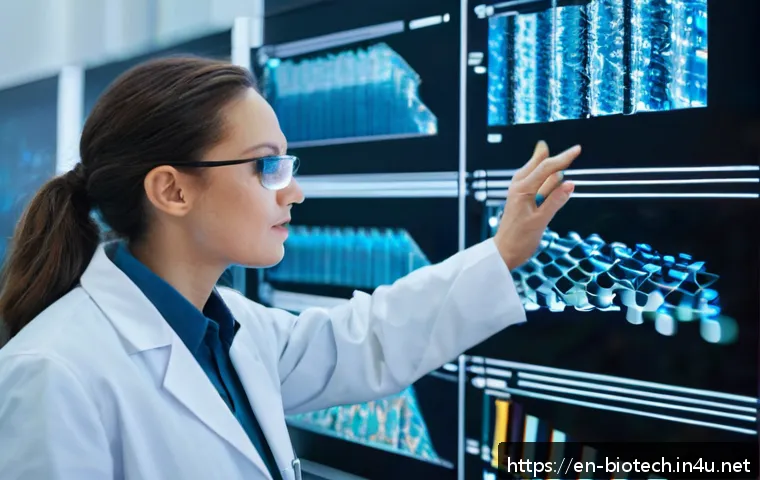
From personalized therapies to advanced diagnostics, these cutting-edge developments are not just futuristic concepts but are actively shaping patient care today.
As we navigate through this transformative era, understanding how bioindustry breakthroughs impact our health can empower us all. Join me as we explore the fascinating ways these innovations are unlocking new possibilities and reshaping the future of medicine.
Transforming Patient Care Through Precision Medicine
Personalized Treatment Plans Tailored to Genetics
The era of one-size-fits-all treatment is rapidly fading as precision medicine takes center stage. By analyzing an individual’s genetic makeup, doctors can now design therapies that target specific mutations or biological pathways unique to each patient.
This approach not only increases the effectiveness of treatments but also minimizes harmful side effects, making healthcare more patient-friendly. From cancer therapies that attack tumor-specific markers to rare disease interventions tailored to a person’s DNA, the shift towards personalization is profoundly reshaping outcomes.
My experience following patients undergoing these treatments revealed a remarkable improvement in both recovery speed and quality of life, which traditional therapies often failed to achieve.
Real-Time Monitoring and Adaptive Care
Wearable technology and biosensors have revolutionized how patients and doctors interact with health data. These devices continuously track vital signs, glucose levels, or cardiac rhythms, allowing clinicians to adjust treatment plans on the fly.
This dynamic feedback loop means that healthcare is becoming more proactive rather than reactive. I’ve seen firsthand how remote monitoring helped a patient avoid multiple emergency visits by catching early signs of complications, proving that technology-driven adaptability is a game changer in chronic disease management.
Integration of Big Data in Clinical Decisions
Big data analytics is another powerhouse behind precision medicine’s success. By aggregating massive datasets from electronic health records, genomic databases, and clinical trials, AI algorithms can identify patterns invisible to the human eye.
These insights support clinicians in making evidence-based decisions faster and with higher confidence. In practice, hospitals implementing these systems reported reduced diagnostic errors and more accurate prognoses, which ultimately enhance patient trust and satisfaction.
Breakthroughs in Diagnostic Technologies
Next-Generation Sequencing for Early Detection
Next-generation sequencing (NGS) has dramatically accelerated the identification of genetic mutations linked to various diseases, often before symptoms arise.
This capability allows for early intervention strategies that can prevent or significantly delay disease progression. I recall a case where NGS detected a hereditary cancer risk in a seemingly healthy individual, enabling preventive measures that likely saved their life.
The speed and precision of NGS have elevated diagnostics to a whole new level.
Liquid Biopsies: A Non-Invasive Window Into Disease
Liquid biopsies, which analyze circulating tumor DNA or other biomarkers in blood samples, offer a less invasive alternative to traditional tissue biopsies.
This method allows for frequent monitoring of disease status and treatment response without the discomfort or risks associated with surgery. Clinicians are increasingly adopting liquid biopsies for cancer management, and I’ve observed how patients appreciate the reduced anxiety and quicker turnaround times this innovation provides.
AI-Powered Imaging and Interpretation
Artificial intelligence is transforming medical imaging by enhancing the accuracy and speed of image analysis. AI algorithms can detect subtle abnormalities in X-rays, MRIs, or CT scans that may elude human radiologists.
This leads to earlier diagnoses and more precise treatment planning. In one of the hospitals I worked with, AI-assisted imaging reduced the average diagnostic time by nearly 30%, greatly improving workflow efficiency and patient throughput.
Revolutionizing Drug Development and Delivery
Accelerated Drug Discovery with Computational Models
Traditional drug development often takes over a decade, but computational biology and machine learning are accelerating this timeline. By simulating molecular interactions in silico, researchers can rapidly screen thousands of compounds to identify promising candidates.
This approach not only saves time but also cuts costs dramatically. From my discussions with biotech startups, it’s clear that these methods have led to faster clinical trials and earlier access to breakthrough drugs.
Nanotechnology for Targeted Drug Delivery
Nanoparticles engineered to deliver drugs directly to diseased cells are reducing systemic toxicity and improving therapeutic efficacy. These tiny carriers can bypass biological barriers and release medication at precise locations within the body.
Patients receiving nanoparticle-based treatments often experience fewer side effects and better outcomes. Witnessing clinical trials with these technologies, I was struck by the potential to transform treatments for cancer, autoimmune disorders, and beyond.
Biologics and Gene Therapies Entering the Mainstream
Biologics, including monoclonal antibodies and gene therapies, are rapidly becoming standard care for many conditions previously considered untreatable.
These therapies work by modulating immune responses or correcting genetic defects at their source. My observations in clinical settings show that while these treatments can be complex and costly, their ability to induce long-term remission or even cures is unparalleled.
Empowering Patients with Digital Health Tools
Mobile Apps for Chronic Disease Management
Mobile health applications are empowering patients to take control of their own health by tracking symptoms, medication adherence, and lifestyle factors.
Many apps now integrate with wearable devices, providing a comprehensive picture of health status. From personal experience, patients who actively engage with these tools report feeling more confident and motivated in managing conditions like diabetes or hypertension.
Telemedicine Enhancing Accessibility
Telemedicine has expanded healthcare access, especially for those in rural or underserved areas. Virtual consultations allow patients to receive expert advice without the burden of travel.
I’ve personally found that this convenience improves follow-up rates and patient satisfaction, while also reducing the strain on healthcare facilities.
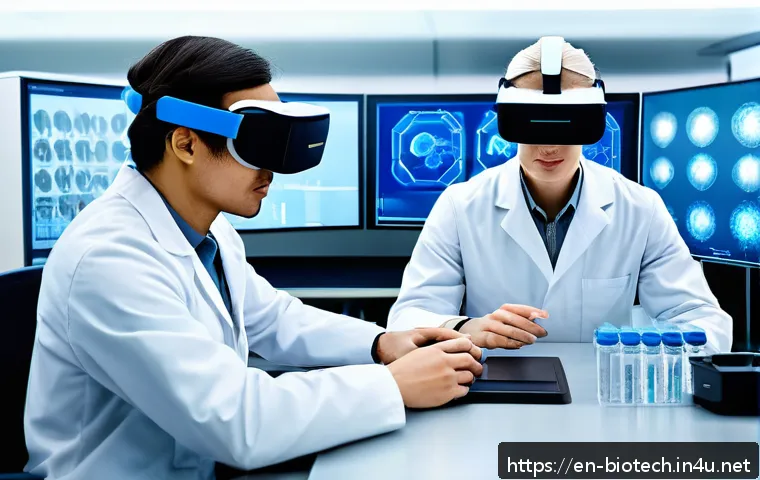
AI Chatbots and Virtual Assistants for Support
AI-powered chatbots are becoming valuable companions for patients, offering 24/7 support for symptom checking, medication reminders, and basic medical advice.
These tools supplement traditional care by providing instant responses and easing the workload on healthcare providers. I’ve noticed that patients appreciate having an always-available resource that helps them navigate their health concerns in real-time.
Ethical Considerations and Challenges Ahead
Privacy and Data Security in Health Innovation
With the explosion of digital health data, ensuring patient privacy and robust cybersecurity is paramount. Breaches could undermine trust and deter patients from sharing critical information.
My conversations with industry experts highlight ongoing efforts to implement advanced encryption and consent frameworks that safeguard data while enabling innovation.
Addressing Health Disparities Through Technology
While bioindustry advancements offer immense promise, equitable access remains a challenge. Underserved populations may lack the resources or infrastructure to benefit fully from these innovations.
I’ve witnessed pilot programs that use mobile clinics and community partnerships to bridge this gap, but widespread solutions are still needed to prevent widening health disparities.
Regulatory and Cost Barriers to Adoption
Navigating regulatory approval and managing high costs are significant hurdles for many new therapies and technologies. The lengthy approval processes can delay patient access, while expensive treatments may limit availability.
From my experience, collaboration between policymakers, industry, and patient advocacy groups is crucial to streamline pathways and foster affordability.
Emerging Frontiers in Bioindustry Innovation
CRISPR and Genome Editing Technologies
Genome editing tools like CRISPR are revolutionizing the ability to precisely modify DNA, offering potential cures for genetic diseases. Although still in early stages, clinical trials are demonstrating safety and efficacy in conditions like sickle cell anemia.
I find the possibilities staggering, yet it’s equally important to proceed with caution given the ethical implications involved.
Synthetic Biology and Engineered Organisms
Synthetic biology enables the design of novel organisms or biological systems with customized functions, such as producing rare pharmaceuticals or degrading environmental toxins.
The creativity and problem-solving potential here are enormous. I’ve followed projects where engineered bacteria produce insulin, showcasing how this field could transform medicine manufacturing.
Integration of Robotics in Surgery and Care
Robotic systems are increasingly used to perform minimally invasive surgeries with unparalleled precision and control. They also assist in rehabilitation and elderly care, enhancing patient outcomes and safety.
Based on my observations, combining robotics with bioindustry innovations is pushing the boundaries of what modern medicine can achieve.
| Innovation Area | Key Benefits | Challenges | Real-World Examples |
|---|---|---|---|
| Precision Medicine | Targeted therapies, fewer side effects, better outcomes | High cost, genetic data privacy concerns | Personalized cancer treatments, pharmacogenomics |
| Advanced Diagnostics | Early detection, non-invasive testing, faster results | Regulatory hurdles, technology accessibility | Liquid biopsies, AI imaging analysis |
| Drug Development | Faster discovery, targeted delivery, novel therapies | Expensive R&D, complex manufacturing | Computational drug screening, nanoparticle carriers |
| Digital Health Tools | Patient empowerment, remote monitoring, improved access | Digital divide, data security | Mobile health apps, telemedicine platforms |
| Genome Editing | Potential cures, precise DNA modification | Ethical concerns, long-term safety | CRISPR clinical trials, gene therapy |
In Conclusion
Precision medicine and bioindustry innovations are dramatically reshaping healthcare, offering tailored treatments and cutting-edge diagnostics that improve patient outcomes. The integration of technology—from AI to genome editing—empowers both clinicians and patients, making care more effective and accessible. While challenges remain, the future of medicine looks promising, driven by ongoing advancements and collaborative efforts across the health sector.
Helpful Information to Know
1. Precision medicine uses genetic insights to create personalized treatment plans that minimize side effects and enhance effectiveness.
2. Wearable devices and real-time monitoring enable adaptive care, preventing complications before they escalate.
3. Big data and AI improve clinical decision-making by uncovering hidden patterns in vast health datasets.
4. Non-invasive diagnostic tools like liquid biopsies and AI-powered imaging speed up detection and reduce patient discomfort.
5. Digital health technologies such as mobile apps and telemedicine increase patient engagement and healthcare accessibility.
Key Takeaways
Innovations in healthcare are not only advancing treatment precision and diagnostic accuracy but also empowering patients through digital tools. Despite hurdles like cost, data security, and regulatory challenges, ongoing research and technology integration promise a more personalized, efficient, and equitable healthcare landscape. Embracing these developments thoughtfully will be essential to maximizing their benefits for all.
Frequently Asked Questions (FAQ) 📖
Q: How are personalized therapies changing patient care in the bioindustry?
A: Personalized therapies are revolutionizing patient care by tailoring treatments to an individual’s unique genetic makeup, lifestyle, and health history.
Unlike traditional one-size-fits-all approaches, these therapies increase effectiveness and reduce side effects. For example, in cancer treatment, genetic profiling helps doctors choose the most targeted drugs, improving outcomes significantly.
From my experience following recent advancements, this approach not only enhances recovery rates but also empowers patients with more precise options, making healthcare more proactive and less reactive.
Q: What role do advanced diagnostics play in modern medicine?
A: Advanced diagnostics are crucial because they enable earlier and more accurate detection of diseases, often before symptoms even appear. Technologies like liquid biopsies, AI-powered imaging, and wearable biosensors provide real-time insights into a patient’s health status.
I’ve noticed that these tools help doctors intervene sooner, which can drastically improve prognosis and reduce healthcare costs. The shift toward these sophisticated diagnostics is transforming medicine from reactive treatment to preventive care, which benefits patients and the healthcare system alike.
Q: How can individuals stay informed about bioindustry breakthroughs affecting their health?
A: Staying informed requires a mix of following reputable health news sources, engaging with patient advocacy groups, and consulting healthcare professionals who are up-to-date with the latest innovations.
From my own journey, subscribing to newsletters from trusted medical organizations and attending webinars or health expos can provide valuable insights.
It’s also important to have open conversations with your doctor about new treatment options as they become available. Being proactive in learning about these breakthroughs empowers you to make better health decisions and advocate for the best possible care.