Hey everyone! Have you ever stopped to think about how much we could reshape the world around us, not just with technology, but by literally *reprogramming life itself*?
It sounds like something straight out of a sci-fi movie, but synthetic biology is already turning those dreams into reality right before our eyes. We’re talking about everything from designing personalized medicines that fight cancer more effectively to creating sustainable solutions that clean up our planet and even grow our food differently.
It’s truly a game-changer, and honestly, the possibilities feel endless. Curious how these incredible innovations are impacting our lives and what’s coming next?
Let’s dive deeper and uncover the amazing world of synthetic biology applications below!
Revolutionizing Healthcare: Tailoring Life-Saving Solutions

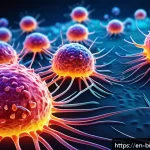
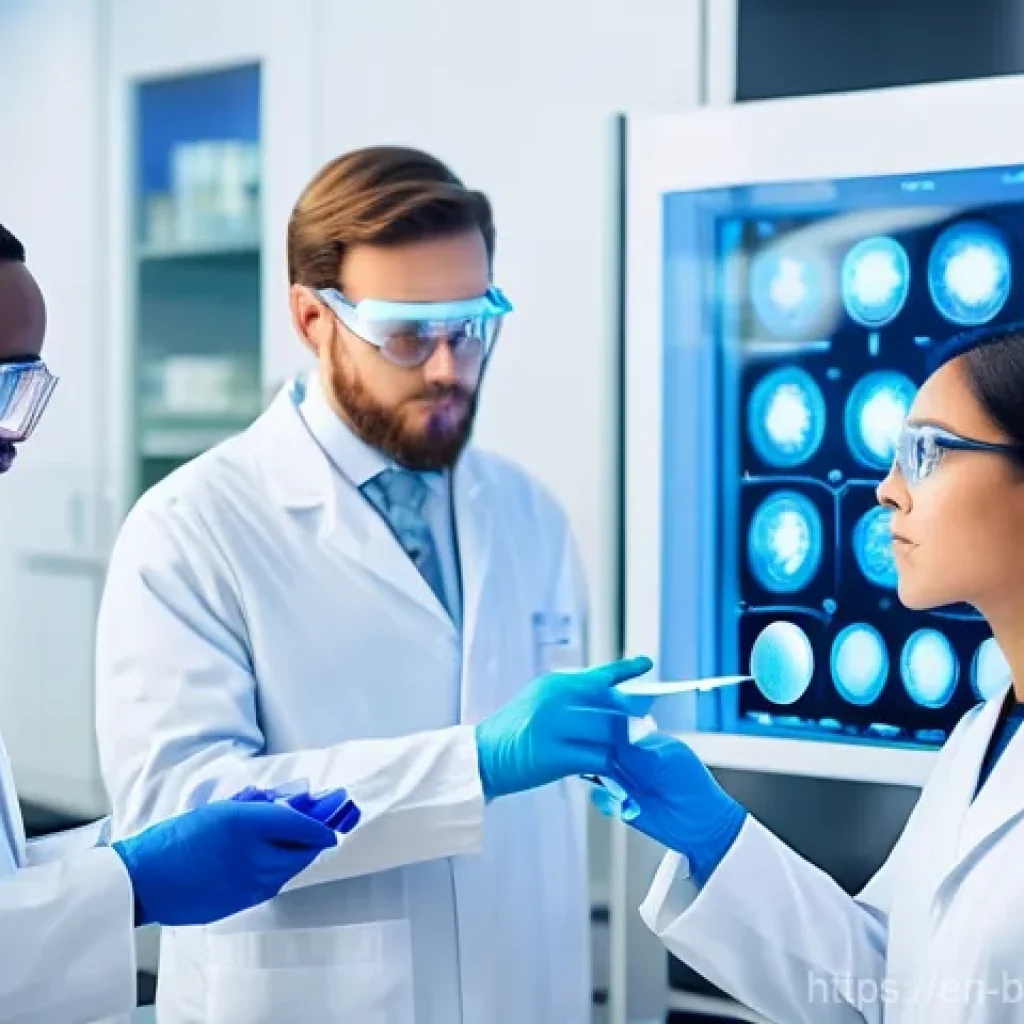
Okay, let’s kick things off with something truly personal and impactful: healthcare. When I first started diving into synthetic biology, the idea of literally redesigning biological systems to fight diseases felt almost too good to be true. But guess what? It’s happening! We’re moving beyond one-size-fits-all treatments and stepping into an era where medicine can be tailor-made for you. Imagine a future where your genetic makeup isn’t just a diagnostic tool, but a blueprint for custom-built therapies. I’ve personally been following the incredible breakthroughs in this area, and honestly, it’s mind-blowing how quickly things are evolving. From tweaking immune cells to hunt down cancer to engineering bacteria that deliver drugs precisely where they’re needed, the precision and potential are just incredible. It’s like we’re giving our bodies a whole new operating system, designed to keep us healthier for longer. This isn’t just about treating symptoms anymore; it’s about fundamentally fixing the underlying issues, and that’s a monumental shift.
Personalized Therapies & Drug Discovery
One of the most exciting aspects, in my humble opinion, is the push towards personalized medicine. Think about it: our bodies are incredibly complex and unique, so why should treatments be generic? Synthetic biology allows us to engineer cells to recognize and attack specific cancer cells, leaving healthy ones untouched. This isn’t just theoretical; CAR T-cell therapy is a prime example of this already making a real difference in patients’ lives. I’ve read countless stories of people whose lives have been extended or even saved by these innovative approaches. Beyond that, the ability to rapidly screen and design new drug molecules using synthetic biological platforms is accelerating drug discovery at an unprecedented pace. It means we can potentially find cures and effective treatments for diseases that were once considered untreatable, much faster than traditional methods allowed. This speed and specificity are game-changers, promising a future where our individual health profiles dictate our treatment pathways, leading to far better outcomes and fewer side effects. It’s a very hopeful sign for anyone, like me, who dreams of a healthier future for everyone.
Next-Gen Vaccines & Diagnostics
And let’s not forget vaccines and diagnostics – areas that have truly shown their importance recently. Synthetic biology is paving the way for vaccines that are not only more effective but also quicker to develop and easier to produce. Imagine being able to rapidly respond to emerging pandemics with vaccines designed and manufactured in record time, thanks to engineered yeast or bacterial systems. This is more than just a dream; it’s becoming a reality, potentially saving millions of lives globally. On the diagnostic front, we’re seeing incredible innovations like engineered biosensors that can detect diseases earlier, sometimes even before symptoms appear. I’ve heard about systems that can identify viral infections or early cancer markers from a simple breath test or a small blood sample with astonishing accuracy. This proactive approach to health monitoring, enabled by synthetic biology, means we can intervene sooner, when treatments are often most effective, drastically improving prognosis and quality of life. It genuinely feels like we’re on the cusp of a diagnostic revolution, making preventative care more accessible and precise than ever before.
Healing Our Planet: Sustainable Solutions Through Bio-Engineering
Moving from our bodies to our planet, synthetic biology is stepping up as an incredible force for environmental good. Honestly, when I first heard about using engineered microbes to clean up pollution or produce sustainable materials, I was skeptical. It sounded like something out of a futuristic eco-thriller! But the more I delve into it, the more I realize just how powerful and pragmatic these solutions are becoming. We’re facing some monumental environmental challenges, from plastic waste clogging our oceans to industrial pollutants harming ecosystems. Traditional methods often fall short, but synthetic biology offers a fresh, biological toolkit to tackle these issues head-on. It’s about working *with* nature, but giving it a little engineered boost, to restore balance and create a healthier environment for all of us. I genuinely believe this field holds some of the most promising answers to our most pressing ecological dilemmas, and watching these innovations unfold is truly inspiring. It really makes you feel like there’s hope for a greener tomorrow.
Bioremediation: Cleaning Up Our Planet
One of the areas where synthetic biology truly shines, in my view, is in bioremediation. Picture this: genetically engineered bacteria or fungi that can literally ‘eat’ oil spills, break down toxic waste, or even neutralize heavy metals in contaminated soil and water. It’s not just a cleanup crew; it’s a living, breathing, self-replicating cleanup crew! I’ve been fascinated by projects where microbes are designed to degrade plastics that currently take hundreds of years to break down naturally. Imagine the impact of having organisms that can efficiently consume microplastics in our oceans or landfills. This isn’t a distant dream; prototypes and field trials are already demonstrating incredible potential. This biological approach often presents a more environmentally friendly and cost-effective alternative to traditional chemical or mechanical cleanup methods, which can sometimes introduce new problems. It’s about harnessing nature’s own biodegrading power and supercharging it, offering a truly sustainable way to detoxify our world. I find that prospect incredibly exciting and vital for future generations.
Carbon Capture & Sustainable Materials
Beyond cleaning up existing messes, synthetic biology is also helping us build a more sustainable future by re-thinking how we produce and consume. Take carbon capture, for instance. Researchers are engineering microbes and plants to more efficiently absorb carbon dioxide from the atmosphere, effectively turning greenhouse gases into useful compounds. It’s a natural form of carbon sequestration, but on steroids! This could be a game-changer in combating climate change. Then there are sustainable materials. We’re talking about creating everything from bio-plastics that genuinely decompose in a reasonable timeframe to advanced textiles grown from microbes or fungi, reducing our reliance on petrochemicals and resource-intensive manufacturing. I’ve seen some incredible examples of shoes and clothing made from mycelium – mushroom roots – that are not only sustainable but also look fantastic. This shift towards bio-based production means less waste, fewer toxins, and a more circular economy, which is something I’m very passionate about. It’s about innovating our way to a future where our products aren’t just useful, but also harmonious with the environment.
Transforming Agriculture: Growing More, Better, Sustainably
Let’s talk about something we all interact with every single day: our food. The world’s population is growing, and with it, the demand for food, all while climate change throws curveballs at our traditional farming methods. This is where synthetic biology steps in as a truly revolutionary force, aiming to help us produce more food, more nutritious food, and do it all in a way that’s much kinder to our planet. For me, the potential here is enormous, especially when you consider the challenges faced by farmers globally. I’ve always believed that innovation is key to solving complex problems, and synthetic biology offers a toolkit that can literally reprogram crops and food production systems. We’re talking about everything from making plants naturally resistant to pests and droughts, reducing the need for harsh chemicals, to creating entirely new ways to produce protein. It’s a holistic approach that promises to make our food supply more secure, efficient, and environmentally friendly. It’s a huge shift from how we’ve always done things, but a necessary one, and frankly, I’m incredibly optimistic about the future of food with these technologies.
Enhancing Crop Resilience & Yield
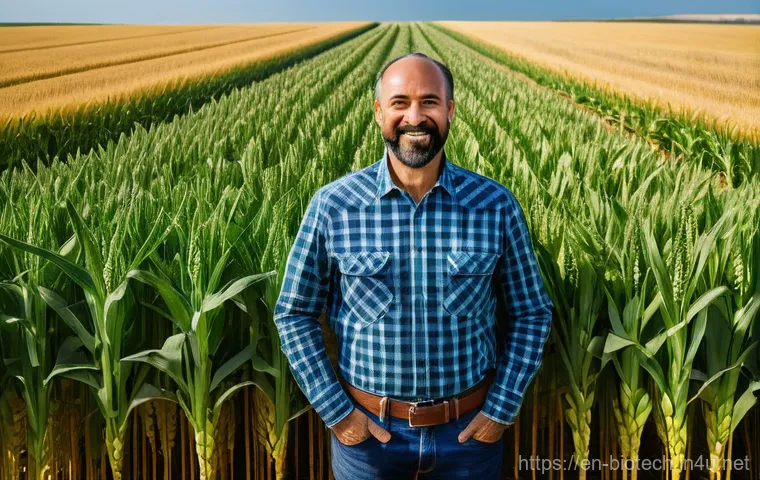
One of the most immediate and impactful applications I’ve observed is in making our crops tougher and more productive. Imagine a world where staple crops like wheat or rice can withstand severe droughts, resist devastating pests, or thrive in saline soils without requiring massive amounts of irrigation or pesticides. Synthetic biologists are engineering plants to do just that – boosting their natural defenses and improving their metabolic efficiency. This means not only higher yields from the same amount of land, helping to feed more people, but also a significant reduction in the environmental footprint of agriculture. Fewer chemical inputs translate to healthier soil, cleaner water, and less harm to beneficial insects. I truly believe that by empowering plants to be more self-sufficient, we can create more resilient food systems that are less vulnerable to the unpredictable whims of climate change. It’s a smart, sustainable way to ensure food security for everyone, and as someone who cares deeply about global well-being, this innovation really resonates with me.
Cultivated Meats & Alternative Proteins
And then there’s the truly groundbreaking area of alternative proteins, particularly cultivated meats. This is where synthetic biology gets really exciting for me, offering a sustainable answer to the environmental impact of traditional livestock farming. We’re talking about producing real meat – chicken, beef, fish – directly from animal cells in a lab, without the need to raise and slaughter animals. I’ve actually tried some cultivated chicken, and honestly, the texture and taste were incredibly close to the real thing! This technology promises to dramatically reduce greenhouse gas emissions, land use, and water consumption associated with meat production. Beyond cultivated meat, synthetic biology is also enabling the production of other alternative proteins, like precision-fermented dairy or egg proteins, which are molecularly identical to their animal counterparts but made without animals. This offers a guilt-free way for us to enjoy our favorite foods while making a huge positive impact on the planet and animal welfare. It’s a delicious step towards a more sustainable food future, and I’m genuinely thrilled to see it develop.
Unlocking Industrial Innovations: Beyond Traditional Manufacturing
Alright, let’s shift gears from food and health to something that underpins so much of our daily lives: industrial production. For decades, industries have relied on chemical processes that are often energy-intensive and can generate significant waste. But synthetic biology is offering a fantastic alternative, effectively turning microscopic organisms into tiny, highly efficient factories. When I first heard about microbes producing everything from specialized chemicals to new types of fuels, my mind was absolutely blown! It’s like we’re moving from clunky, dirty industrial plants to sleek, green bioreactors. This isn’t just about making things more environmentally friendly, although that’s a huge bonus. It’s also about creating entirely new materials and compounds that were previously difficult or impossible to synthesize, opening up a world of possibilities for product design and functionality. I believe this shift is going to profoundly reshape countless industries, from textiles to construction, making them more sustainable, efficient, and innovative. It’s an exciting time to witness this bio-industrial revolution unfolding.
Bio-manufacturing Everyday Products
Think about the sheer variety of products we use every day – from the detergents that clean our clothes to the plastics in our devices. Many of these are currently derived from fossil fuels. Synthetic biology is providing a pathway to create these same, or even better, products using biological processes. We’re talking about engineered microbes producing everything from industrial enzymes that make manufacturing more efficient to biochemicals that replace petroleum-based ingredients in cosmetics and cleaners. I’ve even seen examples of bio-engineered yeast producing pigments for vibrant, sustainable dyes! This means a significant reduction in our reliance on finite resources and a smaller carbon footprint for countless consumer goods. This isn’t just good for the planet; it’s also opening up new economic opportunities and creating a demand for greener supply chains. It truly feels like we’re entering an era where our shopping carts will be filled with products that are not only effective but also consciously crafted with biological innovation. This level of ingenuity is truly inspiring.
Advanced Materials & Textiles
And when it comes to materials, synthetic biology is pushing the boundaries of what’s possible. Imagine fabrics that can generate electricity, repair themselves, or even sense their environment – all thanks to bio-engineered components. Researchers are designing microbes to produce novel proteins and polymers with incredible properties, leading to materials that are stronger, lighter, and more sustainable than their traditional counterparts. I’ve been following the development of spider silk proteins, for instance, which are incredibly strong yet flexible, being produced through engineered bacteria – a far more ethical and scalable way than relying on actual spiders! This has huge implications for everything from lightweight armor to biomedical implants. In the textile industry, it means the potential for clothes that are not only eco-friendly but also imbued with smart functionalities. This isn’t just about aesthetics; it’s about creating materials that actively enhance our lives and reduce our environmental impact, offering a glimpse into a future where our belongings are as smart and dynamic as living systems. The innovation here is just phenomenal.
Powering Our World: The Green Energy Revolution
Our global hunger for energy is relentless, and the traditional methods of generating it have taken a serious toll on our planet. This is another frontier where synthetic biology is making incredibly significant strides, offering truly sustainable and renewable alternatives. When I think about the future of energy, I no longer just envision solar panels and wind turbines; I also see vast bioreactors teeming with engineered organisms, quietly producing the fuel of tomorrow. It’s an incredibly exciting prospect because it addresses the core issue of intermittency and storage that other renewables sometimes face. By harnessing the power of biology, we can create energy solutions that are not only carbon-neutral but also derived from abundant, renewable resources. I’ve personally been following the advancements in biofuels for years, and the progress has been phenomenal. This isn’t just a marginal improvement; it’s a fundamental shift in how we power our homes, transport, and industries, promising a cleaner, more secure energy future for everyone. It truly feels like a biological solution to one of humanity’s biggest challenges.
Biofuels: A Greener Energy Source
For a long time, biofuels have been discussed as a potential alternative, but synthetic biology is making them a far more viable and efficient reality. Imagine algae or bacteria engineered to produce high-density liquid fuels like ethanol, butanol, or even jet fuel directly from sunlight, CO2, or agricultural waste. This isn’t just about fermenting corn, which has its own sustainability debates; it’s about creating entirely new metabolic pathways in microbes to churn out fuels with incredible efficiency and without competing with food crops. I’ve seen some truly impressive research showing how these engineered organisms can produce advanced biofuels that can seamlessly integrate with existing infrastructure, offering a drop-in replacement for fossil fuels. This reduces our dependence on oil and gas, drastically cuts down on greenhouse gas emissions, and creates a truly circular economy for energy. The economic and environmental benefits are enormous, and I believe this technology will play a crucial role in decarbonizing our transportation sector and ensuring energy independence globally. It’s a fantastic example of biology meeting engineering to solve a monumental problem.
Harnessing Microbial Power
Beyond liquid biofuels, synthetic biology is also exploring other fascinating ways to harness microbial power for energy. Think about microbial fuel cells, where engineered bacteria can generate electricity directly as they break down organic matter. Or consider the potential for engineered microbes to efficiently produce hydrogen, a clean-burning fuel, from renewable sources. These are not just theoretical concepts; they are areas of active research and development that promise to diversify our energy portfolio even further. I find it absolutely captivating that we can reprogram these tiny life forms to essentially act as living power plants. This opens up possibilities for decentralized energy production, especially in remote areas, and offers novel ways to convert waste products into valuable energy. The sheer adaptability and metabolic versatility of microbes, when guided by synthetic biology, make them incredible candidates for future energy solutions. It’s a field brimming with innovation, and I can’t wait to see these microbial powerhouses contribute significantly to a clean energy future. The possibilities feel truly endless.
Exploring the Ethical Frontier: Responsibility in Design
As much as I get excited about all the incredible possibilities of synthetic biology, it’s equally important, if not more so, to talk about the ethical considerations. When we’re literally reprogramming life, we carry a huge responsibility to ensure these powerful tools are used wisely and safely. This isn’t just about avoiding unintended consequences, but also about ensuring that the benefits of these technologies are shared equitably and that we have robust frameworks in place to govern their development. I’ve always felt that with great power comes great responsibility, and synthetic biology embodies that principle perfectly. Discussions around ethics aren’t roadblocks to innovation; they are crucial guideposts that ensure we’re building a better future, not just a different one. It’s about having open conversations, engaging diverse perspectives, and proactively addressing potential challenges before they become problems. This human-centered approach to scientific advancement is something I truly advocate for, because ultimately, these technologies are meant to serve humanity, not the other way around.
Addressing Safety & Security Concerns
One of the primary concerns, understandably, revolves around safety and biosecurity. When we engineer new life forms, even beneficial ones, we need to ensure they don’t pose unforeseen risks to human health or the environment. This means rigorous testing, containment strategies, and robust regulatory oversight. I’ve seen researchers and policymakers working hard to develop responsible guidelines, often including ‘kill switches’ or other genetic safeguards in engineered organisms to prevent their uncontrolled spread in nature. There’s also the crucial aspect of dual-use concerns – the worry that these powerful tools could be misused for harmful purposes. This is a complex area, requiring constant vigilance and international collaboration to prevent any malicious applications. The scientific community itself is often at the forefront of advocating for responsible innovation, and I believe this self-governance, coupled with strong external oversight, is essential for maintaining public trust and ensuring that synthetic biology remains a force for good. It’s a delicate balance, but one we absolutely must get right.
Ensuring Equitable Access
Another critical ethical dimension, which I feel very strongly about, is equitable access. As these life-changing technologies develop, how do we ensure that their benefits aren’t just limited to a privileged few? Personalized medicine, advanced sustainable agriculture, and cleaner energy solutions have the potential to vastly improve lives globally, but only if they are accessible and affordable for everyone, not just those in wealthy nations. This means thinking about intellectual property, manufacturing costs, and global distribution strategies right from the outset. It’s not enough to simply create incredible innovations; we also have a moral imperative to ensure they reach the people who need them most. I believe international cooperation, public-private partnerships, and thoughtful policy are all crucial in breaking down barriers to access. We must guard against a future where scientific advancement exacerbates existing inequalities. Synthetic biology offers the promise of a better world, but only if that better world is for all of us, and that’s a goal I wholeheartedly support and advocate for in these discussions.
| Application Area | Key Benefit | Example (My Perspective) |
|---|---|---|
| Healthcare | Personalized & Effective Treatments | Tailoring cancer therapies to an individual’s genetic profile; it’s like having a custom-built defense system. |
| Environment | Sustainable Cleanup & Materials | Engineered microbes breaking down plastic waste; turning environmental challenges into biological solutions. |
| Agriculture | Enhanced Food Security & Sustainability | Crops that naturally resist drought and pests; reducing chemical use and growing more resilient food. |
| Industrial Production | Green Manufacturing & Novel Materials | Bacteria producing biodegradable plastics or sustainable dyes; transforming factories into eco-friendly bioreactors. |
| Energy | Renewable & Clean Biofuels | Algae engineered to produce jet fuel from sunlight; literally growing our energy instead of drilling for it. |
Wrapping Things Up
Wow, what a journey we’ve just taken through the incredible world of synthetic biology! It’s truly mind-boggling to think about how far we’ve come and the boundless potential that still lies ahead. For me, seeing these innovations unfold isn’t just about scientific breakthroughs; it’s about a fundamental shift in how we approach some of humanity’s biggest challenges. From personalized health solutions that genuinely save lives to ingenious ways of healing our planet and revolutionizing how we produce everything, synthetic biology is painting a vibrant picture of a healthier, more sustainable future. I genuinely believe that by understanding and embracing these advancements responsibly, we can collectively usher in an era of unprecedented progress. So, let’s keep an eye on this fascinating field – it’s only going to get more exciting!
Useful Insights for Your Journey
Here are a few quick tips and thoughts based on what we’ve explored today that I hope you’ll find valuable:
1. Stay Curious and Informed: The field of synthetic biology is evolving at lightning speed! I’ve found that following reputable science news outlets and even some dedicated synthetic biology podcasts (there are some great ones out there!) is the best way to keep up. Don’t be afraid to dive into the details; it’s truly fascinating.
2. Consider the Ethical Landscape: While the possibilities are thrilling, remember to engage critically with the ethical discussions surrounding these technologies. Being an informed citizen means not just celebrating the wins but also contemplating the responsibilities. It’s a conversation we all need to be part of.
3. Look for Bio-Innovations in Everyday Products: You might be surprised to find how synthetic biology is already impacting products you use daily, from eco-friendly detergents to plant-based alternatives. Keeping an eye out for labels like “bio-based” or “precision-fermented” can guide your consumer choices.
4. Career Opportunities are Booming: If you’re a student or looking for a career change, synthetic biology is a rapidly expanding sector with incredible demand for diverse talents – not just scientists, but also ethicists, communicators, and business developers. It’s truly a field where you can make a real difference.
5. Support Responsible Research: Public and private support for ethical and impactful synthetic biology research is crucial. Whether it’s through advocating for science funding or simply spreading awareness, your voice helps ensure these advancements continue on a positive trajectory.
Key Highlights from Our Discussion
To sum up our deep dive, synthetic biology is truly at the forefront of innovation, offering transformative solutions across multiple sectors. We’ve seen its profound impact in revolutionizing healthcare through personalized medicine and advanced diagnostics, promising a future of tailored treatments. Environmentally, it’s a game-changer, providing sustainable ways to clean up pollution and create eco-friendly materials, helping heal our planet. In agriculture, it’s boosting food security and sustainability by enhancing crop resilience and enabling alternative protein production. Industrially, this field is leading to greener manufacturing processes and novel, high-performance materials. Crucially, synthetic biology is also paving the way for a cleaner energy future with advanced biofuels and microbial power. Yet, as we embark on this exciting journey, prioritizing safety, biosecurity, and equitable access remains paramount to ensure these incredible advancements benefit all of humanity responsibly. It’s a field brimming with hope and the potential to reshape our world for the better.
Frequently Asked Questions (FAQ) 📖
Q: What exactly is synthetic biology, and how is it already making a real difference in our daily lives?
A: Oh, this is such a fantastic question, and one I get asked all the time! At its heart, synthetic biology is like applying engineering principles to biology.
Think of it this way: instead of just understanding how living things work, we’re actually learning to design and build new biological parts, devices, and systems, or even redesign existing ones for super specific purposes.
It’s not just theory; it’s got real muscle. For example, have you heard about those amazing plant-based meat alternatives that actually taste like the real thing?
That’s synthetic biology at play, engineering yeast to produce the heme protein that gives meat its flavor! And remember how quickly mRNA vaccines for COVID-19 came out?
Synthetic biology played a huge role in that, creating rapid vaccine development platforms. It’s also giving us more sustainable ways to make things that typically rely on fossil fuels, like turning atmospheric carbon into valuable chemicals.
It truly feels like we’re just scratching the surface of what’s possible, and it’s already making our lives healthier and our planet a little greener.
Q: How can synthetic biology help us tackle those big, scary global challenges like climate change and food scarcity?
A: This is where synthetic biology truly shines and, personally, it’s what excites me the most! We’re facing some enormous hurdles globally, but synthetic biology offers some incredibly creative solutions.
For climate change, scientists are engineering microbes to literally eat greenhouse gases like carbon dioxide and carbon monoxide, converting them into useful industrial chemicals or even biodegradable plastics.
Imagine cleaning the air while making new products! It’s also revolutionizing agriculture. We can engineer crops to be more resilient to droughts and heat, which is becoming increasingly vital with our changing climate.
They’re even working on imparting nitrogen-fixing abilities to non-leguminous crops, which could significantly reduce the need for synthetic fertilizers, leading to less greenhouse gas emissions from farming.
This isn’t just about tweaking existing life; it’s about designing entirely new biological processes to make our food systems more robust and sustainable.
I’ve seen firsthand how these innovations are starting to turn what seemed like insurmountable problems into solvable ones.
Q: With all this “reprogramming life” talk, what are the potential future impacts of synthetic biology, especially in medicine, and what should we be mindful of?
A: Oh, the future of synthetic biology in medicine is genuinely mind-blowing, and it’s something I often find myself pondering! We’re moving towards an era of truly personalized medicine, where treatments are designed specifically for you, based on your unique genetic makeup.
Think about engineered T-cells for cancer therapy, where your own cells are reprogrammed to hunt down and destroy cancer cells more effectively. Researchers are also developing “living therapeutics” – engineered bacteria that can degrade harmful substances in the gut or even produce medicines right where they’re needed in your body.
It’s like having tiny, intelligent doctors working inside you! Looking even further ahead, we might see implantable engineered cells that constantly monitor our health in real-time, or even biohybrid organisms that interact with our bodies at a molecular level.
However, with great power comes great responsibility, right? We absolutely need to be mindful of the ethical implications, safety concerns, and ensuring responsible regulation.
As we learn to engineer the living world, it’s crucial that we do so with equity, humility, and sustainability at the forefront to ensure a future we all want to live in.