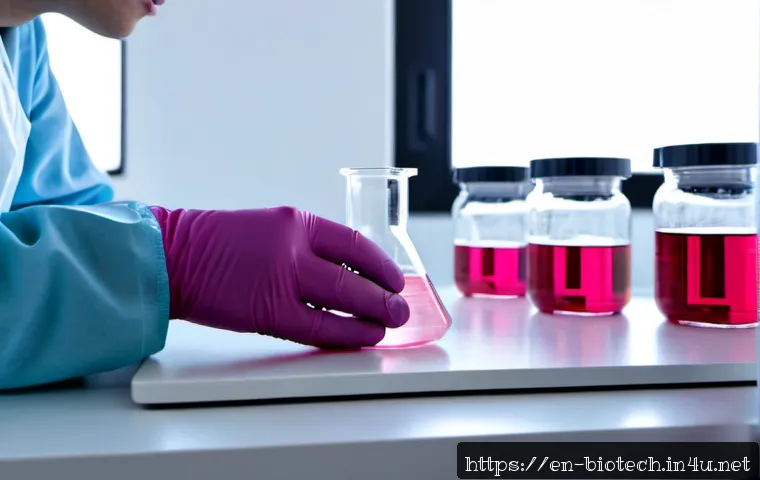
Optimizing bioproduction processes has become a game-changer in industries ranging from pharmaceuticals to sustainable materials. By fine-tuning biological systems, companies can boost yields, reduce costs, and minimize environmental impact.
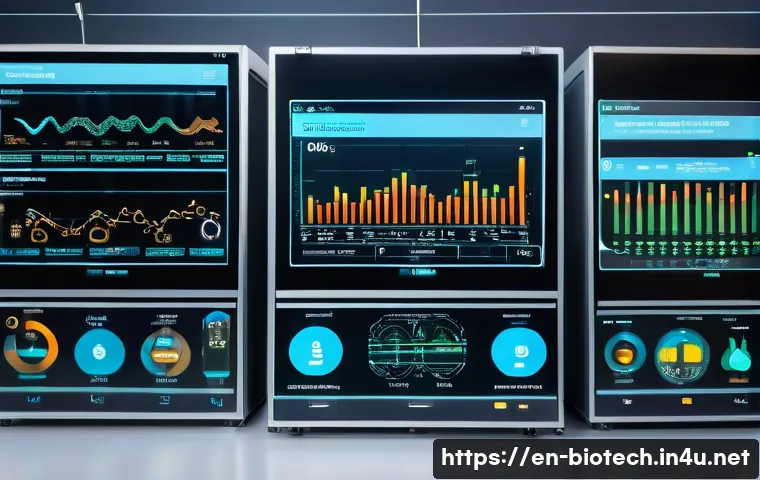
Advances in automation, real-time monitoring, and data analytics are driving unprecedented efficiency in producing enzymes, vaccines, and biofuels. These innovations not only enhance product quality but also accelerate development timelines, giving businesses a competitive edge.
If you’ve ever wondered how cutting-edge technology transforms biomanufacturing, you’re in the right place. Let’s dive deeper and uncover the secrets behind bioproduction optimization!
Harnessing Automation to Streamline Biomanufacturing
Advanced Robotics in Bioprocessing Facilities
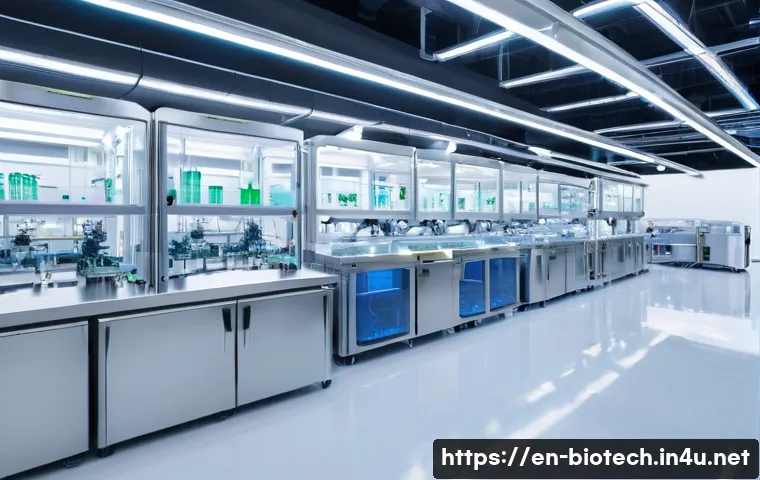
Automation with robotics has revolutionized the way bioproduction facilities operate. Unlike traditional manual handling, robots can perform repetitive tasks like media preparation, sample collection, and cleaning with exceptional precision and consistency.
From my own visits to modern biomanufacturing plants, I’ve observed how robotic arms working 24/7 drastically reduce human error and contamination risks.
This continuous operation also means fewer production delays, helping companies meet tight deadlines without compromising quality. The investment in robotic systems can be steep initially, but the payoff in reliability and scalability is undeniable.
Automated Bioreactor Control Systems
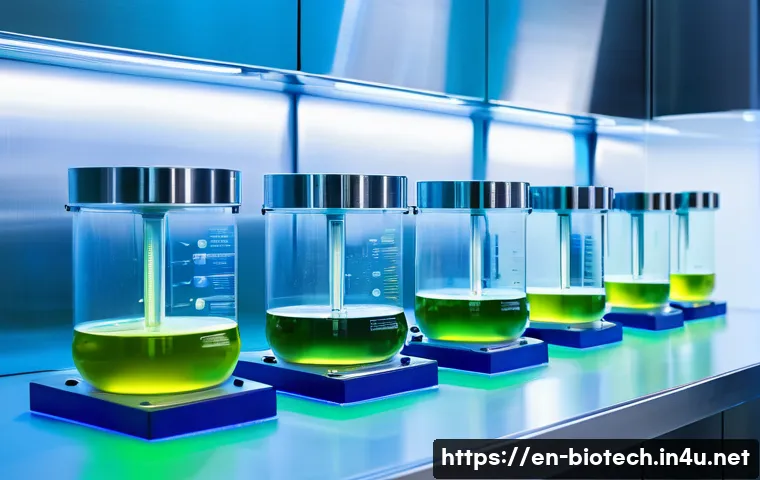
One of the most impactful automation tools is the smart bioreactor control system. These systems continuously monitor parameters like pH, dissolved oxygen, temperature, and nutrient feed rates in real time.
I recall a recent project where integrating automated feedback loops allowed the culture conditions to self-adjust dynamically, optimizing cell growth and product expression.
This level of control leads to more predictable yields and reduces the need for manual intervention. Plus, it frees up skilled staff to focus on higher-level process improvements rather than routine adjustments.
Integration of Automation with Data Analytics
The real magic happens when automation is paired with advanced data analytics platforms. The constant stream of sensor data feeds into machine learning algorithms that detect subtle patterns and predict process outcomes.
I’ve seen companies use these insights to tweak fermentation times and nutrient profiles, squeezing out an extra 10-20% increase in product titer. The combination of automation and analytics transforms bioproduction from a reactive to a proactive discipline, enabling smarter decision-making and faster troubleshooting.
Real-Time Monitoring: The Heartbeat of Efficient Bioprocessing
Sensor Technologies Transforming Process Visibility
Real-time monitoring hinges on cutting-edge sensor technology embedded throughout the production line. Optical sensors, biosensors, and spectroscopic tools continuously measure critical variables such as biomass concentration, metabolite levels, and product purity.
Having personally worked with in-line near-infrared sensors, I can attest to their ability to provide non-invasive, instantaneous feedback without interrupting the process.
This live data stream empowers operators to detect deviations early, preventing costly batch failures and ensuring consistent product quality.
Benefits of Continuous Data Collection
Continuous data collection offers more than just operational visibility; it builds a rich dataset for process optimization. With historical data at their fingertips, process engineers can identify trends and correlations that were invisible before.
For example, slight temperature fluctuations might correlate with lower enzyme activity, prompting adjustments to heating protocols. This ongoing refinement cycle improves both yield and robustness, reducing variability batch-to-batch.
It’s like having a microscope on your entire production system, constantly revealing new optimization opportunities.
Challenges and Solutions in Implementing Real-Time Monitoring
Despite its benefits, real-time monitoring poses challenges like sensor fouling, calibration drift, and data overload. From my experience, setting up a reliable sensor maintenance schedule is crucial to maintaining accuracy over long runs.
Additionally, integrating data visualization dashboards helps distill complex streams into actionable insights for operators. Cloud-based platforms now allow remote monitoring and alerts, which is a game-changer for facilities managing multiple sites or working across time zones.
Leveraging Data Analytics to Unlock Bioprocess Potential
From Raw Data to Actionable Insights
Raw data alone won’t improve processes unless it’s analyzed intelligently. That’s where advanced analytics come into play. By applying statistical models, machine learning, and AI techniques, biomanufacturers can uncover hidden relationships between process variables and product attributes.
In one case I was involved with, analytics revealed that subtle changes in feed composition impacted glycosylation patterns in a therapeutic protein. Acting on these findings led to a more consistent drug profile, critical for regulatory approval.
Predictive Modeling for Process Optimization
Predictive models allow teams to simulate process outcomes under different conditions before running costly experiments. I’ve seen how these models accelerate development by narrowing down optimal parameter ranges quickly.
For instance, predictive analytics can estimate fermentation duration needed to reach target titers, helping schedule production runs more efficiently.
This foresight reduces trial-and-error cycles, saving time and materials while boosting confidence in scale-up strategies.
Enhancing Quality Control with Data Analytics
Quality control benefits tremendously from analytics by enabling real-time quality predictions. Instead of waiting for end-point testing, manufacturers can monitor key quality indicators throughout production.
This proactive approach catches deviations early and allows corrective actions before final release. In vaccine production, for example, analytics-driven quality monitoring has shortened batch release times, speeding up delivery to market and patients.
Innovative Bioprocess Design for Maximum Yield
Modular and Flexible Production Platforms
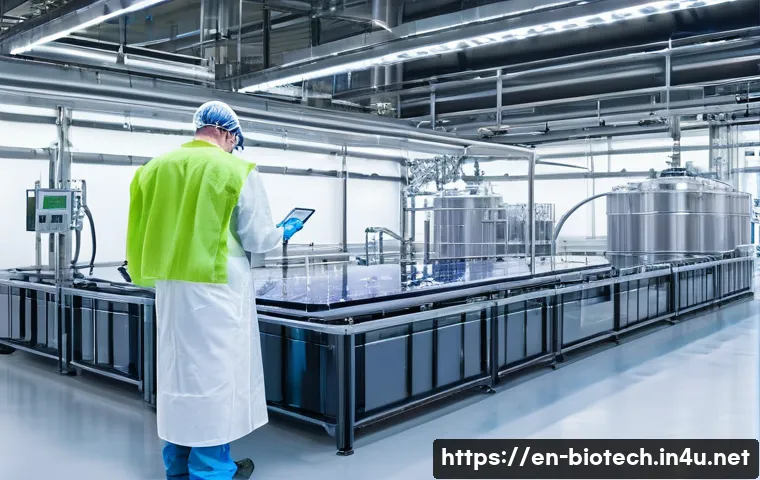
Modern bioproduction increasingly favors modular and flexible designs that adapt to changing product demands. From what I’ve observed, modular units allow rapid reconfiguration for different cell lines or product types without major downtime.
This flexibility is especially valuable for companies producing multiple biologics or scaling up novel therapies. It also supports a leaner footprint and better resource utilization, contributing to cost savings.
Continuous Bioprocessing Techniques
Continuous processing is a paradigm shift from traditional batch methods, offering improved productivity and consistency. I’ve personally witnessed how continuous culture systems maintain cells in an optimal growth phase longer, boosting total output.
Coupled with real-time monitoring, continuous bioprocessing reduces variability and shortens production cycles. Though initial setup can be complex, the long-term benefits in throughput and process control are well worth the effort.
Optimizing Media and Feed Strategies
Fine-tuning the nutrient composition and feeding schedule is critical for maximizing cell growth and product formation. Through hands-on experimentation and data-driven optimization, I’ve learned that even minor tweaks in media components can lead to significant yield improvements.
Automated feeding systems that adjust nutrient supply based on real-time culture status help maintain ideal conditions, preventing nutrient depletion or toxic accumulation.
Sustainability Gains in Bioproduction
Reducing Waste through Process Intensification
Sustainability is no longer an afterthought in biomanufacturing. Process intensification techniques, such as higher cell density cultures and integrated downstream processing, reduce resource consumption and waste generation.
From my experience, these strategies not only cut costs but also align with corporate environmental goals, which is increasingly important to investors and regulators alike.
Energy Efficiency and Green Technologies
Implementing energy-efficient equipment and renewable energy sources in bioproduction facilities lowers the carbon footprint. For example, advanced heat exchangers and variable frequency drives optimize energy use in bioreactor cooling and agitation.
I have seen plants incorporating solar panels and waste heat recovery systems to further enhance sustainability, demonstrating that green investments can coexist with profitability.
Water Conservation and Recycling Methods
Water is a critical resource in biomanufacturing, and minimizing its use is a top priority. Innovative recycling systems that treat and reuse process water reduce overall consumption dramatically.
During a site visit, I was impressed by a facility’s closed-loop water system that cuts freshwater demand by up to 60%. These conservation efforts contribute significantly to sustainable operations without compromising product quality.
Comparing Key Bioproduction Technologies
| Technology | Main Advantages | Challenges | Typical Applications |
|---|---|---|---|
| Automated Robotics | High precision, reduces human error, 24/7 operation | High initial cost, maintenance complexity | Sample handling, media prep, cleaning |
| Real-Time Sensors | Continuous monitoring, early deviation detection | Sensor fouling, calibration drift | Process parameter tracking, quality control |
| Data Analytics & AI | Insight generation, predictive modeling | Data management, requires expertise | Process optimization, quality assurance |
| Continuous Bioprocessing | Higher productivity, consistent product quality | Complex setup, regulatory challenges | Therapeutic proteins, vaccines, biofuels |
| Modular Platforms | Flexibility, rapid reconfiguration | Space requirements, integration complexity | Multi-product manufacturing |
Conclusion
Automation and advanced technologies are transforming biomanufacturing into a more efficient, reliable, and sustainable industry. From robotics to real-time monitoring and data analytics, these innovations enable higher productivity and better quality control. Embracing these tools not only meets today’s demanding production needs but also paves the way for future growth and adaptability.
Useful Information to Remember
1. Automation reduces human error and boosts consistency, especially in repetitive tasks like media preparation and sample handling.
2. Real-time monitoring with advanced sensors allows early detection of process deviations, minimizing batch failures.
3. Data analytics and AI enable predictive modeling, helping optimize processes and improve product quality.
4. Modular and continuous bioprocessing platforms provide flexibility and higher throughput, ideal for scaling production.
5. Sustainability efforts such as waste reduction, energy efficiency, and water recycling are increasingly critical in biomanufacturing.
Key Takeaways
Successful biomanufacturing relies on integrating automation with intelligent monitoring and data-driven decision-making. While upfront investments in robotics and analytics can be significant, the long-term benefits include improved yield, reduced variability, and enhanced process control. Facilities that prioritize flexibility and sustainability will be better positioned to meet evolving industry demands and regulatory requirements.
Frequently Asked Questions (FAQ) 📖
Q: How does automation improve bioproduction processes?
A: Automation streamlines repetitive and complex tasks, reducing human error and increasing consistency. From automated cell culture systems to robotic sampling, these technologies speed up production cycles and allow for more precise control over conditions.
In my experience, integrating automation not only boosted yield but also freed up valuable time for the team to focus on innovation rather than manual labor.
Q: What role does real-time monitoring play in optimizing bioproduction?
A: Real-time monitoring provides continuous insight into critical parameters like pH, temperature, and nutrient levels, enabling immediate adjustments to maintain optimal conditions.
This proactive approach minimizes batch failures and improves product quality. I’ve seen firsthand how real-time data helps detect issues early, preventing costly delays and ensuring consistent output, which is a game-changer in fast-paced manufacturing environments.
Q: Can data analytics really accelerate development timelines in biomanufacturing?
A: Absolutely. Data analytics helps identify patterns and correlations that might be missed otherwise, guiding smarter decision-making. By analyzing historical and real-time data, companies can optimize protocols, predict outcomes, and reduce trial-and-error phases.
From what I’ve observed, using advanced analytics not only shortens development cycles but also cuts costs, giving businesses a significant competitive advantage in bringing products to market faster.