Hey there, fellow science enthusiasts and curious minds! Have you ever paused to think about the tiny powerhouses working tirelessly inside us, building, repairing, and making everything happen?
I’m talking about proteins, those incredible molecular workhorses of life! But what if we could actually *design* and *improve* these biological marvels to do even more amazing things?
Well, that’s exactly what protein engineering is all about, a field that’s truly like being a molecular architect, tweaking and perfecting these tiny machines for monumental impact on everything from medicine to a greener planet.
It’s incredibly exciting! Let’s find out exactly how it works.
Reimagining Nature’s Building Blocks

Decoding the Protein Blueprint
It’s absolutely mind-boggling when you stop to think about it – every single function in our bodies, from digesting food to fighting off infections, is powered by proteins.
These aren’t just simple molecules; they’re incredibly intricate machines, each with a specific job, built from a blueprint laid out in our DNA. When I first delved into this field, I felt like I was peeking behind the curtain of life itself.
Understanding how these proteins naturally fold into their perfect 3D shapes, and how even a tiny change can completely alter their function, is the fundamental starting point for any budding protein engineer.
It’s like understanding the physics of a watch before you can even dream of improving its gears. We’re talking about molecular structures so precise that they make even the most advanced human-made mechanisms look clunky.
This foundational knowledge is crucial because, without it, we’d just be blindly poking at things, hoping for the best, rather than making informed, targeted improvements.
Why Tinkering with Proteins Matters
Why bother changing something that nature has perfected over billions of years? Well, “perfected” is a strong word! Nature often prioritizes survival and adaptation, not necessarily peak efficiency or specific human desires.
That’s where protein engineering comes in. Imagine if we could make an enzyme work faster, or stabilize a therapeutic protein so it lasts longer in the body, or even design a protein to bind to a specific cancer cell, leaving healthy cells untouched.
The possibilities are truly limitless! I remember working on a project where we aimed to increase the stability of an enzyme used in industrial processes.
It was incredibly challenging, but seeing the enzyme withstand harsher conditions and perform better than its natural counterpart felt like a monumental achievement.
It truly highlights how we can augment nature’s designs for specific, beneficial purposes. This isn’t about replacing nature, but rather about learning from it and then applying that knowledge to solve some of our most pressing global challenges.
The Art of Directed Evolution
One of the coolest aspects of protein engineering, in my opinion, is something called directed evolution. It’s essentially mimicking natural selection in a test tube, but at an accelerated pace and with a specific goal in mind.
Instead of waiting millions of years for advantageous mutations to appear, we induce mutations, screen for the ones that give us the desired trait (like increased activity or stability), and then repeat the process.
It’s like a high-stakes genetic lottery where we’re constantly stacking the odds in our favor. I’ve seen firsthand how this method can transform a mediocre protein into a superstar performer in just a few rounds.
It’s a beautifully iterative process, full of trial and error, but the breakthroughs can be absolutely astounding. It’s a true blend of scientific rigor and creative problem-solving, making it one of the most dynamic areas of the field.
You’re literally guiding evolution towards your desired outcome, which is pretty powerful stuff!
The Toolkit of a Molecular Architect
Precision Gene Editing: CRISPR and Beyond
When we talk about designing proteins, we’re essentially talking about changing the DNA code that instructs cells how to build them. And for that, we need some seriously advanced tools.
Enter CRISPR, the revolutionary gene-editing technology that, when it first burst onto the scene, felt like something straight out of a sci-fi movie. It’s truly a game-changer, allowing us to make incredibly precise cuts and insertions in the genetic code.
Before CRISPR, modifying genes was like trying to edit a book with a dull axe; now, it feels like we have a surgeon’s scalpel. I remember the initial buzz and skepticism, but seeing its widespread adoption and impact has been incredible.
It’s not just CRISPR though; there’s a whole array of sophisticated gene-editing techniques that molecular architects wield to fine-tune the genetic instructions for our protein creations.
These tools are what empower us to translate our design ideas into tangible biological realities.
Computational Design: Predicting the Unseen
Imagine trying to build a complex machine without a blueprint, just guessing which parts fit where. That’s what protein engineering would be like without computational design.
This is where advanced algorithms and powerful computers come into play, allowing us to predict how a protein will fold, what its properties will be, and even suggest new sequences that might perform better.
It’s an indispensable tool, especially when we’re trying to design proteins from scratch for a completely new function. I’ve spent countless hours staring at molecular models on a screen, rotating them, predicting interactions, and trying to visualize how a tiny change might ripple through the entire structure.
It’s a blend of art and science, requiring both intuition and a deep understanding of biophysics. The ability to simulate and predict before we even step into the lab saves an enormous amount of time and resources, making the whole process much more efficient and targeted.
High-Throughput Screening: Finding the Needle
Even with the most sophisticated computational design and gene-editing tools, sometimes you just need to try out a lot of different variations to find the best one.
That’s where high-throughput screening comes in. This technology allows us to test thousands, sometimes even millions, of different protein variants simultaneously and rapidly identify the ones with the desired characteristics.
It’s like having an army of tiny robots performing experiments for you at lightning speed. When I started in this field, screening was often a laborious, manual process.
Now, with robotics and automation, we can sift through vast libraries of proteins in a fraction of the time. This capability is absolutely vital, especially in directed evolution experiments where we’re generating a huge diversity of proteins and need to quickly pick out the winners.
It takes away the tedium and allows researchers to focus on the truly innovative aspects of design and analysis.
Engineering for Health: A Medical Revolution
Tailored Therapeutics: Drugs with a Purpose
Protein engineering is fundamentally transforming how we approach medicine. Forget one-size-fits-all treatments; we’re now talking about designing therapeutic proteins that are incredibly specific and effective.
Think about antibodies, for instance. By engineering them, we can make them super-efficient at targeting cancer cells, or even deliver drugs directly to diseased tissues, minimizing side effects on healthy cells.
It’s like sending a highly trained special forces unit directly to the problem area, rather than carpet bombing the entire city. I’ve seen some incredible research on designer proteins that can neutralize toxins or precisely regulate immune responses.
These aren’t just incremental improvements; they’re paradigm shifts in how we treat complex diseases. The ability to craft a protein with a bespoke function is opening doors to therapies that were once unimaginable.
Vaccines Reimagined: Stronger Defenses
Vaccines have always been a cornerstone of public health, but protein engineering is taking them to the next level. We’re moving beyond traditional vaccine approaches and designing highly stable, potent, and safe protein-based vaccines that can elicit stronger, more targeted immune responses.
Imagine a vaccine that can adapt quickly to new viral variants, or one that offers broad protection against multiple strains of a disease. This technology played a huge role in accelerating vaccine development during recent global health crises, demonstrating its immense power.
It’s truly inspiring to see how molecular architects can design specific protein components that train our immune systems to be better, faster, and smarter at defending us against pathogens.
The potential to create more effective and accessible vaccines for a wider range of diseases is truly exciting.
Diagnostic Breakthroughs: Catching Illness Early
It’s not just about treatment; protein engineering is also revolutionizing diagnostics. We’re designing proteins that can act as incredibly sensitive biosensors, capable of detecting minute traces of disease markers in blood, urine, or even breath, long before symptoms even appear.
This early detection is critical for many conditions, from cancer to infectious diseases, where timely intervention can make all the difference. I’ve encountered research on engineered proteins that change color or emit light in the presence of specific biomarkers, making diagnostic tests simpler, faster, and more affordable.
It’s about empowering healthcare professionals with tools that allow them to peek into our bodies at a molecular level, providing insights that were once impossible.
This capability is absolutely vital for preventive medicine and personalized healthcare.
Towards a Greener World: Sustainable Solutions
Enzymes for a Cleaner Planet
When I think about the impact of protein engineering beyond human health, a huge area that excites me is its potential to create a more sustainable future.
Enzymes, those amazing biological catalysts, are at the forefront of this. We can engineer enzymes to break down pollutants, convert waste into valuable products, or perform chemical reactions much more efficiently and with less energy than traditional industrial processes.
For example, imagine enzymes that can degrade plastics into their original monomers, allowing for true circular recycling! This isn’t just theory; I’ve personally followed projects where engineered enzymes are transforming wastewater treatment and reducing the environmental footprint of various manufacturing industries.
It’s like giving nature a super boost to clean up after us and operate more sustainably.
Biofuels and Bioplastics: A Renewable Future
The quest for renewable energy and materials is more critical than ever, and protein engineering offers some incredibly promising avenues. We’re designing proteins that can facilitate the production of biofuels from sustainable feedstocks, making the process more efficient and cost-effective.
And let’s not forget bioplastics! By engineering enzymes that can create biodegradable plastics or even break down existing ones, we’re taking significant steps towards reducing our reliance on fossil fuels and tackling the global plastic pollution crisis.
It’s about designing a future where our materials and energy sources are not only renewable but also seamlessly integrated into a healthier ecosystem.
The innovation in this space is moving at lightning speed, constantly pushing the boundaries of what we thought was possible for a greener planet.
Boosting Agricultural Output
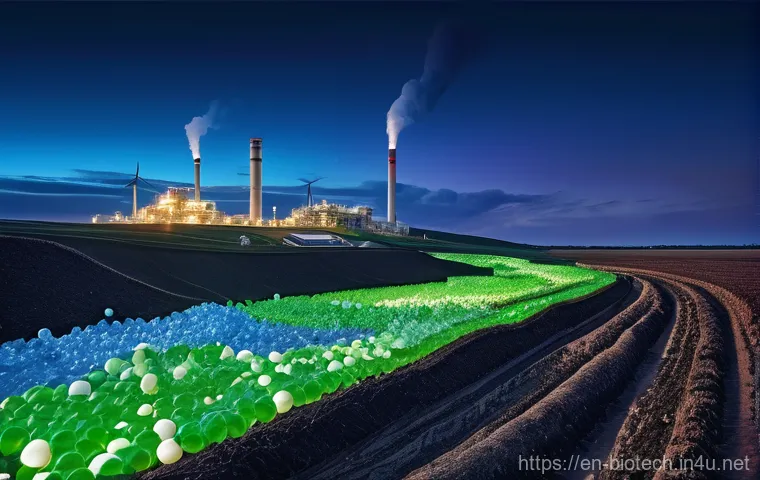
Food security is a massive global challenge, and protein engineering offers powerful tools to address it. We can design proteins to make crops more resilient to pests, diseases, and harsh environmental conditions like drought or salinity, leading to higher yields and more robust harvests.
Imagine crops that are naturally more nutritious, or plants that can fix nitrogen more efficiently, reducing the need for chemical fertilizers. These advancements aren’t just about feeding more people; they’re about doing so in a way that’s more environmentally friendly and sustainable for our planet.
The implications for developing regions, in particular, are profound, offering paths to increased food independence and improved livelihoods for farmers.
Beyond the Lab Bench: Real-World Impacts
From Theory to Table: Enhancing Food
You might not even realize it, but protein engineering is already impacting the food you eat every day. From making cheese more efficiently to improving the shelf-life of baked goods, engineered enzymes are quietly working behind the scenes.
And it goes deeper than that! We’re talking about developing proteins that can act as natural flavor enhancers, reduce allergens in certain foods, or even create plant-based meat alternatives that truly mimic the texture and taste of traditional meat.
It’s fascinating to see how the precise manipulation of proteins can lead to healthier, more sustainable, and even more enjoyable food experiences. I often find myself thinking about how a simple enzyme tweak can make a huge difference in the consistency of my yogurt or the richness of a particular dish.
Industrial Catalysts: Making Manufacturing Greener
The manufacturing world relies heavily on catalysts to speed up chemical reactions, and traditional chemical catalysts often require harsh conditions, leading to significant energy consumption and waste.
This is where engineered enzymes shine as “green catalysts.” We’re designing super-efficient enzymes that can perform complex chemical transformations under mild conditions, reducing energy use, minimizing byproducts, and making industrial processes far more sustainable.
Think about the pharmaceutical industry, producing drugs with fewer steps and less environmental impact, or the textile industry, using enzymes to treat fabrics more gently and with less water.
This shift towards biocatalysis is not just environmentally responsible; it’s also often more cost-effective in the long run, proving that going green can also make good business sense.
Everyday Applications You Might Not Know
Protein engineering isn’t just confined to high-tech medical labs or massive industrial plants. It’s weaving its way into everyday products you might not even realize.
For example, many advanced detergents contain engineered enzymes that are highly effective at breaking down stains even in cold water, saving energy. Contact lens solutions often use engineered proteins to keep lenses clean and comfortable.
Even in personal care products, you can find specialty proteins designed for specific benefits. It’s a testament to the versatility of this field that its innovations are so seamlessly integrated into our daily lives, often without us even knowing the sophisticated science behind them.
These subtle yet impactful applications really drive home how pervasive and beneficial protein engineering has become.
The Future is Now: Emerging Horizons
Self-Assembling Nanobots
If you thought protein engineering was exciting already, wait until you hear about some of the truly futuristic directions it’s heading! One area that genuinely blows my mind is the concept of self-assembling nanobots.
Imagine designing proteins that can spontaneously organize themselves into complex, functional nanostructures – tiny machines that can perform tasks at the molecular level.
This isn’t just science fiction anymore; researchers are making incredible strides in this area. We’re talking about potential applications in targeted drug delivery, ultra-sensitive diagnostics, or even building new materials from the ground up, atom by atom.
It’s like having a molecular Lego set where the bricks automatically click together to form what you designed. The precision and potential of these self-assembling systems are truly awe-inspiring, promising a future where biological machines are as common as electronic ones.
Designer Materials and Smart Sensors
Beyond medicine and sustainability, protein engineering is poised to revolutionize materials science. We’re talking about designing proteins that can form novel biomaterials with unheard-of properties – materials that are stronger than steel, lighter than air, or can even self-repair.
Imagine creating fabrics that can sense environmental changes or building components that heal themselves when damaged. Furthermore, “smart sensors” built from engineered proteins could detect everything from airborne toxins to subtle changes in a patient’s physiology with incredible accuracy.
These aren’t just incremental improvements; these are entirely new classes of materials and sensing technologies that leverage the exquisite specificity and functionality of biological molecules.
The future could very well be built from designer proteins, ushering in an era of truly bio-inspired engineering.
| Application Area | Key Benefits of Protein Engineering | Real-World Examples |
|---|---|---|
| Healthcare & Medicine | Highly targeted therapies, enhanced diagnostic accuracy, more effective vaccines, reduced side effects. | Monoclonal antibody drugs (e.g., for cancer, autoimmune diseases), insulin production, improved diagnostic tests for infections. |
| Industrial Biotechnology | Greener manufacturing processes, reduced energy consumption, waste valorization, efficient production of chemicals. | Enzymes in detergents, biocatalysts for drug synthesis, production of high-value compounds from biomass. |
| Agriculture & Food | Improved crop resilience, enhanced nutritional value, sustainable food production, better food processing. | Pest-resistant crops, enzymes for cheese making, plant-based protein alternatives, longer-lasting food products. |
| Environmental Solutions | Pollutant degradation, efficient waste conversion, development of renewable resources. | Enzymes for plastic degradation, biofuel production, wastewater treatment. |
| Materials Science | Creation of novel biomaterials, self-healing materials, advanced biosensors. | Bio-inspired adhesives, self-assembling protein hydrogels, highly sensitive glucose sensors. |
Overcoming Challenges in the Protein Playground
The Complexity Conundrum
As thrilling as protein engineering is, it’s certainly not without its hurdles. One of the biggest challenges is the sheer complexity of proteins themselves.
We’re talking about intricate 3D structures where every atom plays a role, and even tiny changes can have unpredictable effects. Predicting how a protein will fold, or how a mutation will impact its function, can be incredibly difficult, often requiring massive computational power and extensive experimental validation.
I’ve personally experienced the frustration of designing what I thought was a perfect protein on paper, only for it to misfold or lose all activity in the lab.
It’s a constant battle against the inherent complexity of biology, demanding patience, creativity, and a willingness to learn from every “failed” experiment.
It feels like solving a three-dimensional jigsaw puzzle where some pieces change shape as you try to fit them.
Ethical Considerations and Responsible Innovation
Any field with such profound potential to reshape life also comes with significant ethical considerations, and protein engineering is no exception. As we gain the ability to design and modify biological systems with increasing precision, questions arise about the responsible use of these powerful technologies.
How do we ensure equitable access to these innovations? What are the long-term ecological impacts of releasing engineered organisms? These aren’t just abstract philosophical debates; they are critical discussions that need to involve scientists, policymakers, and the public.
It’s imperative that we proceed with caution, transparency, and a strong commitment to ethical guidelines. As an influencer in this space, I feel a personal responsibility to advocate for open dialogue and thoughtful regulation, ensuring that these incredible advancements are used to benefit humanity and the planet, rather than cause unintended harm.
Responsible innovation isn’t just a buzzword; it’s a fundamental principle for guiding the future of protein engineering.
Wrapping Up Our Protein Journey
Phew! What an incredible journey we’ve taken through the fascinating world of protein engineering. It’s truly mind-blowing to think about how far we’ve come, moving from simply understanding nature’s designs to actively reimagining and improving them. My hope is that you’ve caught a glimpse of the sheer potential this field holds – not just for scientific advancement, but for genuinely making our world a better, healthier, and more sustainable place. It’s an evolving story, and I, for one, can’t wait to see what incredible chapters are written next.
Handy Insights You Won’t Want to Miss
1. Keep an Eye on AI in Protein Design: Artificial intelligence, especially machine learning, is rapidly accelerating the pace of protein engineering. Tools like AlphaFold are revolutionizing how we predict protein structures, which means the design process is becoming faster and more accurate than ever before. If you’re keen on staying ahead, understanding the basics of computational biology and AI’s role here is a real game-changer.
2. The Ethical Dialogue is Crucial: As with any powerful technology, protein engineering comes with significant ethical considerations. From gene-edited crops to designer therapeutics, it’s vital to stay informed about the ongoing conversations around responsible innovation, equitable access, and potential societal impacts. Engaging in these discussions helps ensure we steer these advancements toward the greatest good for everyone.
3. Interdisciplinary Skills are Golden: If you’re thinking about diving into this field, remember it’s a melting pot of disciplines. Biology, chemistry, computer science, and engineering all converge here. Developing a broad skill set, or at least an appreciation for these different areas, will give you a significant edge and allow you to contribute in truly unique ways. It’s not just about lab work anymore; it’s about connecting diverse knowledge points.
4. Small Innovations, Big Impact: Don’t underestimate the power of seemingly small tweaks in protein design. Sometimes, a single amino acid change can transform a protein’s stability or activity, leading to massive breakthroughs in medicine or industry. It’s a testament to the intricate nature of these molecules and highlights why meticulous research and experimental validation are so critical.
5. Sustainability is a Driving Force: Look for more and more protein engineering applications focused on environmental challenges. From breaking down plastics to producing biofuels and enhancing agricultural resilience, this field is poised to offer innovative solutions to some of our planet’s most pressing issues. Supporting companies and research in this area is a fantastic way to contribute to a greener future.
Key Takeaways from Our Protein Exploration
What’s truly evident from our deep dive is that protein engineering is no longer a futuristic concept but a living, breathing reality that’s shaping our present and defining our future. We’ve seen how these molecular architects are not just deciphering nature’s blueprints but actively rewriting them, creating bespoke solutions for challenges across healthcare, industry, and the environment. From precision medicines and advanced diagnostics to sustainable manufacturing and resilient agriculture, the impact is profound and far-reaching. The blend of cutting-edge tools like CRISPR and computational design, coupled with an understanding of directed evolution, allows us to push boundaries previously thought impossible. Remember, this isn’t just about making things “better”; it’s about fundamentally rethinking how we interact with and improve the biological world around us, driving innovation that promises a more prosperous and sustainable tomorrow for all.
Frequently Asked Questions (FAQ) 📖
Q: Okay, so you mentioned “molecular architects” and “tweaking tiny machines.” Could you break down what protein engineering actually is in a way that truly clicks, and why it’s such a big deal for us?
A: Absolutely! Think of protein engineering as being like a super-specialized biological LEGO designer, but instead of plastic bricks, we’re working with the building blocks of life itself: proteins.
Proteins are already incredible; they’re the workhorses inside every living thing, doing everything from digesting your food to fighting off infections.
What we do in protein engineering is essentially take these natural proteins, look at what they do, and then, using our understanding of their intricate 3D structures, we re-design them.
It’s about making them better, stronger, faster, or even giving them brand-new abilities that nature hasn’t gotten around to yet. We might change just a tiny piece of their amino acid sequence, and suddenly, a protein that usually works at body temperature can now function perfectly in extreme heat, or an enzyme that breaks down one specific molecule can now target a different one.
Why is it such a big deal, you ask? Well, it’s monumental! This isn’t just academic curiosity; it’s about solving some of the world’s most pressing challenges.
From creating more effective medicines with fewer side effects – like therapies that precisely target cancer cells – to developing enzymes that can clean up pollution or make industrial processes greener and more efficient, protein engineering offers tailored solutions.
It’s truly about harnessing nature’s own tools and upgrading them for our benefit, leading to innovations that touch almost every aspect of our lives, often without us even realizing it.
It’s like giving biology a serious upgrade!
Q: That sounds incredibly powerful! So, what are some of the coolest, most impactful things that protein engineering is helping us achieve right now, or what can we realistically expect to see in the near future?
A: Oh, where do I even begin? The impact of protein engineering is just phenomenal, and it’s growing at an incredible pace! In medicine, for example, it’s a game-changer.
We’re talking about engineering antibodies to be super-precise in fighting diseases like cancer or autoimmune conditions, making treatments much more targeted and effective while minimizing harm to healthy cells.
Imagine a drug that only activates when it reaches the specific tumor site! That’s the kind of “smart therapeutic” we’re working towards. Beyond healthcare, it’s revolutionizing industries.
Think about greener manufacturing: we’re engineering enzymes that can make biofuels more efficiently, create new sustainable materials, or even break down plastics, tackling some serious environmental issues.
And in agriculture, we’re looking at ways to create more resilient crops or develop better bio-pesticides. I’ve personally been fascinated by the work on designing enzymes that can operate under harsh industrial conditions, something natural proteins usually can’t handle.
The ability to customize these molecular tools means we’re constantly expanding what’s possible, moving us closer to a future with personalized medicine, a cleaner environment, and more sustainable industrial practices.
It truly feels like we’re just scratching the surface of what these engineered proteins can do!
Q: This is amazing! But how do scientists actually do this? Is it like a trial-and-error approach, or is there some kind of master plan involved in designing these super-proteins?
A: That’s a fantastic question, and it’s where the “engineering” part really shines! There isn’t just one magic wand; scientists typically use a couple of brilliant strategies, often even combining them.
One main approach is called “rational design.” This is where we act like meticulous architects. If we understand a protein’s 3D structure and how it works down to the atomic level, we can intelligently predict which specific amino acid changes would give us the desired new property.
We use powerful computer modeling to visualize these changes and then make precise “site-directed mutations” in the protein’s genetic code to achieve them.
It’s very targeted and precise, like changing a specific brick in a LEGO model because you know exactly how it will affect the overall structure. However, sometimes we don’t know all the intricate details, or the changes we want are too complex to predict.
That’s where “directed evolution” comes in, and it’s truly inspired by nature! It’s like an accelerated, super-charged version of natural selection. We introduce a bunch of random mutations into a protein’s gene, creating a “library” of millions of slightly different protein variants.
Then, we set up a clever screening system to quickly find the ones that have the improved function we’re looking for. The best ones are then selected, mutated again, and the process is repeated.
It’s essentially guided evolution in a lab, allowing us to discover amazing new protein functions that we might not have even thought to design ourselves!
Combining these two approaches, sometimes called “hybrid methods,” often yields the most incredible results, allowing for both precision and expansive exploration.
It’s an exciting blend of smart design and letting nature guide the way!