Remember when getting a diagnosis felt like a bit of a guessing game? Or waiting ages for crucial results, riddled with anxiety and uncertainty? Well, those frustrating days are rapidly becoming a relic of the past, thanks to a truly revolutionary field that’s transforming healthcare as we know it: molecular diagnostics.
It’s absolutely mind-blowing to think how far we’ve come; this isn’t just about fancy lab tests anymore. We’re talking about cutting-edge technologies that can literally peek right into our very cells, identifying diseases at their earliest, most treatable stages, customizing treatments to our unique genetic makeup, and even rapidly tracking global health challenges with unprecedented speed and accuracy.
From those lightning-fast tests that helped us navigate recent health crises to uncovering hidden cancer markers through a simple blood draw – yes, I’m talking about those incredible liquid biopsies – it’s genuinely changing how we approach health and wellness for everyone.
The sheer pace of innovation, especially with breakthroughs integrating advanced AI for analysis and powerful gene editing tools like CRISPR, is absolutely phenomenal, promising a future where healthcare is not just reactive, but truly predictive, preventative, and deeply personalized.
It’s a profound shift that will fundamentally redefine how we stay healthy, empowering us with knowledge and precision like never before. Ready to see how this incredible technology is shaping our world and what mind-blowing advancements are just around the corner?
Let’s explore this fascinating world in detail!
Peeking Inside: The Microscopic Revolution in Health
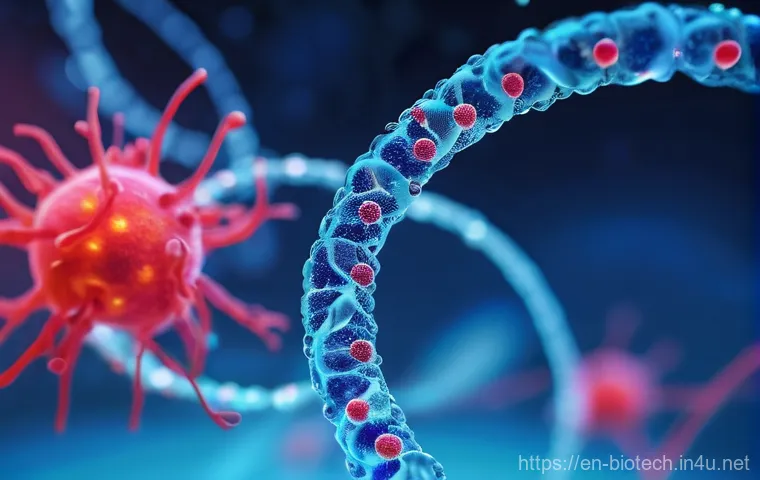
Honestly, when I first heard about “molecular diagnostics,” my mind immediately went to sci-fi movies where doctors could instantly tell what was wrong with you by just scanning your hand. While we’re not quite there yet with the hand-scanning part, the reality of what’s happening in labs today is just as, if not more, incredible. I’ve personally felt the shift, moving from what felt like a frustrating cycle of endless tests and anxious waiting to a world where answers come faster and with stunning precision. It’s like we’ve traded in a blurry, black-and-white photo of our health for a high-definition, full-color portrait, revealing nuances we never knew existed. This isn’t just about finding out if you’re sick; it’s about understanding *why* you’re sick, how your body specifically reacts to treatments, and even predicting potential health issues before they even begin to surface. It’s a game-changer, plain and simple, and it touches every aspect of healthcare from routine check-ups to life-saving interventions.
Unlocking Genetic Secrets for Personalized Care
One of the most profound impacts I’ve witnessed is in personalized medicine. Gone are the days of a one-size-fits-all approach to treatment. Think about it: our bodies are wonderfully unique, and what works wonders for one person might be completely ineffective, or even harmful, for another. Molecular diagnostics allows doctors to look at *your* specific genetic makeup, identifying biomarkers that can predict how you’ll respond to certain medications. I mean, imagine knowing which antidepressant will actually help you, or which chemotherapy drug will be most effective against *your* cancer, right from the start! It’s not just reducing trial-and-error, which can be exhausting and demoralizing; it’s ushering in an era of truly tailored care, making treatments far more efficient and patient-friendly. This level of insight empowers both patients and physicians, transforming healthcare into a truly collaborative journey.
Catching Illnesses in Their Earliest Stages
Another area where these technologies have truly shone, and frankly, blown my mind, is in early disease detection. For years, we’ve focused on symptoms, often meaning a disease was already well-established by the time it was diagnosed. But now, with tests like liquid biopsies, we can detect tiny fragments of cancer DNA circulating in the blood, sometimes even before a tumor is large enough to show up on imaging. I recall a friend telling me how this new approach eased so much of her anxiety during her routine check-ups, knowing that potential issues could be spotted proactively. It’s not just cancer; we’re talking about infectious diseases, genetic disorders, and even neurodegenerative conditions being identified at stages where intervention can be far more effective, leading to better outcomes and, most importantly, saving lives. This proactive approach feels like having a guardian angel for your health.
Rapid Answers: Staying Ahead of Global Health Threats
Remember those frantic early days of the pandemic? The scramble for testing, the uncertainty, the fear? Molecular diagnostics was the unsung hero, providing the rapid, accurate tests that allowed us to identify cases, track outbreaks, and ultimately, get a handle on the situation. The speed at which these tests could be developed and deployed was nothing short of miraculous, fundamentally changing how we respond to emerging pathogens. I’ve seen firsthand how quickly labs adapted, leveraging these tools to not only detect the initial virus but also to identify new variants, giving scientists and public health officials crucial data to make informed decisions. It’s a powerful shield against future health crises, giving us a fighting chance against fast-moving threats. This agility is something that I believe will define our resilience in the face of future challenges.
Diagnostics Beyond the Lab Walls
What’s truly exciting, and something I’ve been following closely, is the push to bring these sophisticated tests out of specialized labs and closer to patients. Imagine a future where you could perform highly accurate tests for common infections or even genetic predispositions in a doctor’s office, a local clinic, or even at home. Point-of-care molecular diagnostics are making this a reality, offering results in minutes rather than days. I recently read about a new device that can diagnose strep throat or flu with PCR-level accuracy in under an hour, right there during your appointment. This kind of accessibility not only reduces patient anxiety but also allows for immediate treatment decisions, which is particularly vital for conditions where every hour counts. It’s making cutting-edge healthcare far more democratic and convenient for everyone, which is just fantastic.
The Watchdogs of Antibiotic Resistance
Another crucial area where molecular diagnostics is making a huge difference, and one that frankly keeps me up at night, is in the fight against antibiotic resistance. We’re facing a global crisis where common infections are becoming untreatable due to evolving superbugs. Molecular tests can rapidly identify not only the specific pathogen causing an infection but also its resistance genes. This means doctors can prescribe the *right* antibiotic, or avoid unnecessary ones, much faster than traditional culture methods. I’ve heard countless stories from healthcare professionals who say this precise targeting is a game-changer, helping to preserve the effectiveness of our existing antibiotics and slow down the emergence of new resistant strains. It’s a vital tool in protecting public health and ensuring we don’t return to an era where a simple cut could be deadly.
The Future is Now: AI, CRISPR, and Unimagined Possibilities
If you think what’s happening now is cool, just wait! The integration of artificial intelligence (AI) with molecular diagnostics is literally taking things to another level. AI can sift through vast amounts of genomic data, identify patterns, and help interpret complex results far faster and with greater accuracy than any human ever could. I’ve been following some fascinating research where AI is being used to analyze liquid biopsy data, detecting cancer signals that are almost imperceptible to the human eye. This fusion of technologies is accelerating discovery, making diagnostics smarter, and unlocking insights that were previously hidden in the noise of biological data. It’s like having a super-powered detective tirelessly working to solve the mysteries of our health, and honestly, the potential for breakthrough discoveries feels limitless.
Gene Editing: From Diagnosis to Cure
And then there’s CRISPR, the revolutionary gene-editing tool. While most people associate CRISPR with editing genes to *cure* diseases, its diagnostic applications are equally breathtaking. Imagine a simple, cheap, and rapid test that can detect a specific virus, a cancer mutation, or even a genetic predisposition by directly targeting and identifying specific DNA or RNA sequences. Researchers are actively developing CRISPR-based diagnostic tools that could someday be as common as a home pregnancy test, offering unparalleled accuracy and speed. I personally believe this intersection of gene editing and diagnostics will fundamentally alter how we manage genetic diseases, moving us closer to a future where we can not only diagnose but also potentially correct the root cause of many debilitating conditions. The sheer audacity of this technology still astounds me.
Beyond the Clinic: Lifestyle, Wellness, and Prevention
It’s easy to think of molecular diagnostics as something strictly for severe illnesses, but its reach is expanding into everyday wellness and preventative health in ways I find incredibly exciting. We’re moving towards a paradigm where understanding your unique genetic predispositions can guide your diet, exercise routine, and even stress management strategies. Imagine knowing you have a higher genetic risk for certain conditions and being able to proactively adjust your lifestyle to mitigate those risks years in advance. I’ve seen some fascinating discussions about how personal genetic insights are empowering individuals to take a more active role in their health journey, moving beyond reactive care to truly proactive wellness. It’s not about fear; it’s about empowerment through knowledge, allowing us to make smarter, more informed choices about how we live our lives every single day. This is truly the democratization of advanced health information.
Tailoring Your Health Blueprint

This personalization extends beyond just disease prevention. We’re talking about optimizing athletic performance, understanding nutrient absorption, and even gaining insights into your sleep patterns, all through molecular insights. I’ve personally experimented with some of the more accessible genetic tests that offer insights into how my body processes certain foods or responds to different types of exercise. While these are still early days, the promise of truly understanding your body’s unique blueprint to maximize your health and well-being is incredibly compelling. It’s about fine-tuning your entire approach to health, making it uniquely yours. This level of self-knowledge feels like a superpower, enabling you to literally design a healthier future for yourself based on your own biological data.
| Aspect | Traditional Diagnostics | Molecular Diagnostics |
|---|---|---|
| Specificity | Often broad, can misidentify or require further tests. | Highly specific, targeting unique genetic/molecular signatures. |
| Sensitivity | May require higher pathogen/biomarker load for detection. | Can detect very low concentrations of targets, enabling earlier detection. |
| Speed of Results | Can take days to weeks (e.g., bacterial culture). | Often provides results in hours or even minutes. |
| Information Provided | Presence of disease, general characteristics. | Presence, subtype, genetic mutations, drug resistance, prognosis. |
| Personalization | Limited, mostly general treatment guidelines. | High, guides personalized treatment based on individual genetics. |
Navigating the Roadblocks: Accessibility and Ethical Considerations
Of course, with any groundbreaking technology, there are challenges, and molecular diagnostics is no exception. While the advancements are incredible, we have to talk about accessibility. These cutting-edge tests can be expensive, and ensuring that everyone, regardless of their socioeconomic status or geographic location, can benefit from them is a massive undertaking. I’ve had many conversations with healthcare providers about the disparities in access, and it’s a real concern. It’s not enough to invent these amazing tools; we must also find ways to make them affordable and widely available. Otherwise, we risk creating a two-tiered healthcare system where only a select few can truly benefit from these revolutionary insights. This really is an ethical tightrope walk we must navigate with extreme care and foresight.
The Privacy Tightrope: Protecting Our Genetic Information
Then there’s the elephant in the room: data privacy. Our genetic information is arguably the most personal data we possess. As molecular diagnostics become more prevalent, the amount of highly sensitive data being collected will skyrocket. The question then becomes, who owns this data? How is it protected? And how can we ensure it’s not misused or exploited? These aren’t abstract concerns; they’re very real, pressing ethical dilemmas that need robust legal and ethical frameworks to address them. I often think about the implications for future generations – what kind of privacy landscape are we creating for them? It’s a complex puzzle with no easy answers, but one that absolutely demands our unwavering attention and careful consideration as we move forward. Building trust in these technologies hinges entirely on how well we manage these critical issues.
The Investor’s Lens: A Thriving Market for Innovation
From a different vantage point, it’s impossible to ignore the booming investment landscape around molecular diagnostics. Venture capitalists and large pharmaceutical companies alike are pouring billions into this sector, recognizing its immense potential. It’s not just about improving patient care; it’s about creating an entirely new market segment within healthcare. I’ve observed countless startups emerging, each bringing innovative solutions, from next-generation sequencing platforms to AI-powered diagnostic algorithms. The sheer pace of innovation is fueled by this influx of capital, attracting brilliant minds and accelerating research and development. It’s a testament to the transformative power of this field that so much economic energy is being directed towards it, creating jobs and driving further scientific breakthroughs. This is one of those sectors where good for humanity also means good for business.
Monetizing Precision: New Business Models in Health
This investment isn’t just funding lab work; it’s also shaping new business models. We’re seeing companies specializing in providing direct-to-consumer genetic insights (with all the ethical caveats, of course), others focusing on partnership models with hospitals, and even some exploring subscription-based services for ongoing health monitoring. The potential for profitability is driving significant competition, which, in turn, often leads to better and more affordable technologies for the end-user. I’ve been particularly interested in how some firms are leveraging big data analytics to offer predictive health insights, creating entirely new revenue streams that weren’t imaginable a decade ago. It truly demonstrates how scientific advancement can intertwine with economic opportunity, benefiting both patients and stakeholders in the long run. It’s an exciting time to watch this space evolve.
Wrapping Things Up
As we’ve journeyed through the incredible landscape of molecular diagnostics, it’s clear we’re standing at the precipice of a healthcare revolution. This isn’t just about fancy lab tests; it’s about fundamentally changing how we understand our bodies, predict illnesses, and tailor treatments to our unique biological makeup. For me, seeing these advancements unfold has been nothing short of inspiring, transforming what once felt like daunting medical mysteries into solvable puzzles with astonishing precision. It’s an exciting time to be alive, witnessing science empower us with unprecedented control over our health. And honestly, I feel a deep sense of optimism for the future of medicine.
Useful Information to Know
1. Always have a candid conversation with your doctor about any molecular diagnostic tests they recommend. Ask why the test is being performed, what the potential outcomes could mean for your health, and how the results might influence your treatment plan. Don’t be shy about asking for clarification – your understanding is key to feeling empowered. Your doctor is your primary guide, and a good dialogue ensures you’re both on the same page and that you’re comfortable with the information and choices being presented. This collaborative approach helps you navigate your health journey with confidence.
2. If you undergo genetic testing, consider seeking genetic counseling. These specialists can help you interpret complex results, understand the implications for your health and your family, and discuss any ethical concerns that might arise. They are invaluable resources for making sense of intricate genetic data and can provide much-needed emotional support during what can sometimes be an overwhelming process. Their expertise ensures you grasp the full picture, not just the raw data, helping you make informed decisions about your future health.
3. Be mindful of data privacy, especially with direct-to-consumer genetic tests. Always read the privacy policies carefully to understand how your genetic information will be stored, used, and shared. While these tests can offer fascinating insights, ensuring your personal genetic blueprint remains secure is paramount. Many companies have robust protocols in place, but being informed allows you to make choices that align with your personal comfort level regarding data protection. Your genetic data is profoundly personal, and protecting it should always be a top priority.
4. Understand the difference between diagnostic tests (which confirm an existing condition) and screening tests (which look for potential issues before symptoms appear). Molecular diagnostics excel in both areas, but knowing the purpose of your specific test will help manage your expectations and anxiety about the results. For example, a screening test for a genetic predisposition might indicate a higher risk, not a certainty, empowering you to take preventative steps. Clarity on this distinction helps you interpret the information correctly and plan accordingly.
5. Stay informed about the rapid advancements in this field, but always critically evaluate the information you find. Reputable sources include major medical institutions, established scientific journals, and national health organizations. New discoveries are announced frequently, and keeping up can be exciting, but it’s crucial to rely on well-vetted, evidence-based information rather than sensational headlines. A curious but discerning mind will serve you best in navigating the ever-evolving world of molecular health insights.
Key Takeaways
Molecular diagnostics is revolutionizing healthcare by offering unprecedented precision, enabling earlier disease detection, and paving the way for truly personalized medicine. It’s transforming how we combat global health threats like antibiotic resistance and rapidly emerging viruses. While presenting challenges in accessibility and data privacy, the integration of AI and gene editing promises a future where health management is more proactive, tailored, and effective than ever before.
Frequently Asked Questions (FAQ) 📖
Q: What exactly is molecular diagnostics, and how is it different from the kind of lab tests we’re all used to?
A: Oh, this is such a great question, and honestly, it’s where all the magic starts! You know how sometimes you’d go to the doctor, and they’d run tests looking for things like bacteria in a culture or general blood counts?
That’s what we call “traditional diagnostics.” They’ve been super important for ages, and they still are, but they often focus on the effects of a disease or broad indicators.
Now, molecular diagnostics? That’s a whole new ballgame! Imagine being able to zoom right into your cells, past the surface, to look at the tiny blueprints that make you, well, you.
We’re talking about analyzing your DNA, RNA, and proteins – the fundamental molecules that carry all the genetic instructions. This allows us to spot specific genetic sequences or mutations that are directly linked to a disease or condition.
It’s like switching from a general map of a city to a super-detailed GPS that can tell you exactly which building, and even which specific room, has the problem.
This means we can detect diseases incredibly early, sometimes even before you show any symptoms, and with much higher accuracy and sensitivity than ever before.
Trust me, once you understand this difference, you’ll see why it’s so revolutionary!
Q: How does molecular diagnostics actually help me and my family in practical ways, especially with personalized medicine?
A: This is where molecular diagnostics gets incredibly personal and, frankly, life-changing. From my experience and what I’ve personally witnessed, this technology isn’t just for fancy research labs anymore; it’s making a real difference in everyday healthcare.
First off, it’s a game-changer for early disease detection. Think about conditions like cancer or infectious diseases. Molecular tests can find tiny traces of disease markers – sometimes even before symptoms appear – allowing for much earlier and more effective intervention.
Imagine the peace of mind knowing you can catch something at its most treatable stage! Liquid biopsies, for example, can detect cancer markers from a simple blood draw, making screening much less invasive and more frequent.
Then there’s the truly incredible aspect of personalized medicine. My own research and seeing how this works makes me genuinely excited for everyone’s future health.
By looking at your unique genetic makeup, doctors can tailor treatments specifically for you. This means getting the right medication, at the right dose, with fewer side effects, because it’s chosen based on how your body is genetically predicted to respond.
No more guessing games! For genetic conditions, it allows for early intervention and treatment planning that can significantly improve outcomes. It even helps predict your risk for certain future diseases, empowering you to make proactive lifestyle changes and consider preventative screenings.
It truly shifts healthcare from reactive to proactive, which is a massive win for all of us.
Q: What’s next for molecular diagnostics? What mind-blowing advancements should we be excited about in the near future?
A: Oh, buckle up, because the future of molecular diagnostics is absolutely wild and incredibly promising! It feels like we’re just scratching the surface of what’s possible, and the pace of innovation is just phenomenal.
One of the biggest areas that has me personally thrilled is the integration of AI and machine learning. Think about it: AI can sift through massive amounts of complex genetic data at lightning speed, finding patterns and insights that human eyes might miss.
This is going to make diagnoses even more accurate, faster, and help us discover new disease markers we didn’t even know existed. We’re also going to see liquid biopsies become even more refined and widespread, detecting multiple cancers and other diseases from a single blood sample with even higher sensitivity.
This non-invasive approach is a game-changer for regular health monitoring and early detection. Beyond that, technologies like CRISPR gene editing, supercharged by AI, are moving beyond just understanding genes to actively fixing them.
This means the potential to correct disease-causing mutations, effectively curing genetic disorders that were once untreatable. The goal is a healthcare system that is truly predictive and preventative.
Instead of waiting for you to get sick, we’ll be able to anticipate, intervene, and keep you healthy in ways we could only dream of before. The journey ahead is going to be nothing short of revolutionary, fundamentally redefining how we manage our health.