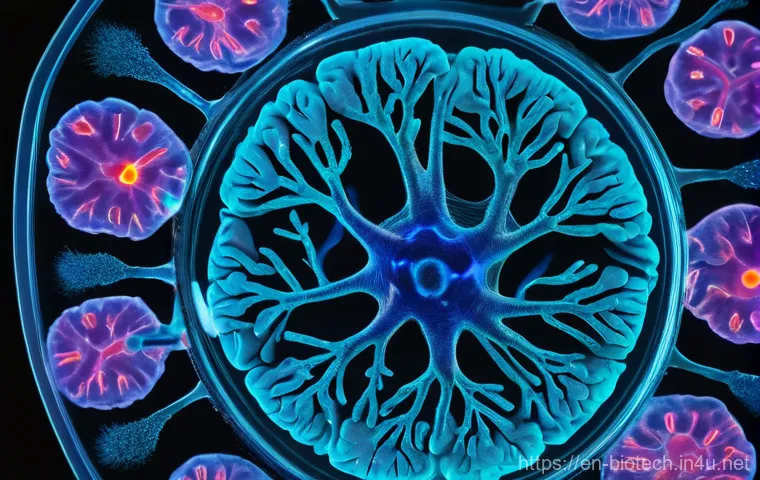
Hey there, fellow science enthusiasts! Have you ever paused to wonder about the sheer marvel of the human body, and then dared to dream about recreating it, piece by tiny piece, right there in a lab?
Well, hold onto your hats, because what once sounded like pure science fiction is now a dazzling reality, and it’s called organoid technology. Imagine being able to grow miniature, functional versions of our own organs – from tiny brains to fully-formed mini-livers – all derived from stem cells.
It’s not just a cool trick; it’s a monumental leap that’s completely changing how we understand diseases and develop treatments. I’ve been following this space closely, and let me tell you, the recent breakthroughs, like successfully creating *vascularized* organoids that can actually grow larger and more mature, are absolutely mind-blowing.
This isn’t just about replacing animal testing; it’s about creating incredibly accurate human models that open doors to truly personalized medicine. This innovative science is literally paving the way for a future where we can test drugs with unprecedented precision, unlock the secrets of complex conditions like cancer and neurodevelopmental disorders, and even, dare I say it, revolutionize regenerative medicine.
The possibilities feel endless, and the pace of discovery is frankly exhilarating! Want to know more about how these incredible mini-organs are shaping the future of health and unlocking mysteries we never thought possible?
Let’s dive in and explore the fascinating world of organoid technology together.
Unlocking the Human Body’s Secrets in Miniature
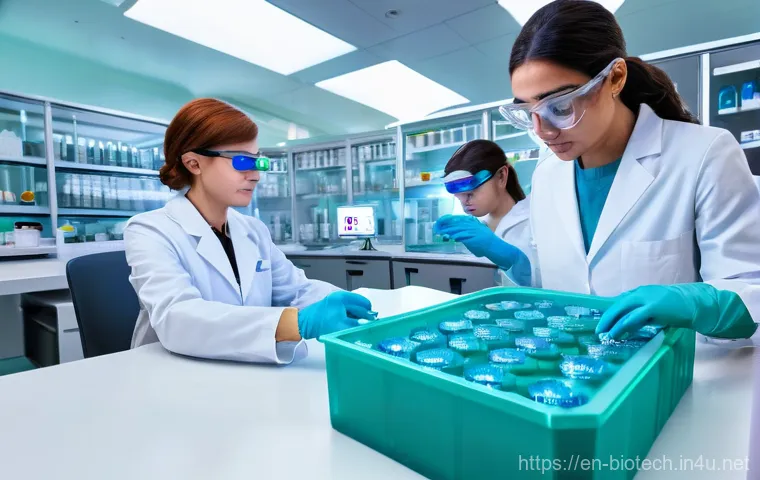
Hey there, science explorers! It’s truly astonishing to think about how far we’ve come in understanding the intricacies of the human body, isn’t it? For decades, our best bet for studying diseases and testing new drugs often involved animal models, which, while useful, don’t always perfectly mimic human biology. But now, we’re living in an era where we can literally grow tiny, functional versions of human organs – from brains to livers, kidneys, and even hearts – right there in a lab. These aren’t just clumps of cells; these are sophisticated, self-organizing structures that closely recapitulate the architecture and function of their full-sized counterparts. It’s like having a microscopic, living blueprint of human organs at our fingertips, allowing us to peek behind the curtain of biology in ways we never thought possible. I remember the first time I saw images of these miniature organs; my jaw dropped. The level of detail and organization was absolutely mesmerizing, and it immediately clicked for me how transformative this technology could be.
The Genesis of a Marvel: How Organoids Take Shape
So, how exactly do these incredible mini-organs come to be? It all starts with stem cells – those remarkable cells with the power to differentiate into almost any cell type in the body. Scientists carefully nurture these stem cells in specific 3D environments, providing them with the right nutrients and signaling molecules that coax them into self-organizing and developing into complex tissues. Think of it like giving a tiny seed the perfect soil, water, and sunlight to grow into a miniature tree. The cells communicate, divide, and arrange themselves, faithfully replicating the early developmental stages of an organ. It’s a delicate dance of cellular biology, guided by brilliant researchers, and the result is nothing short of miraculous. From just a handful of stem cells, we can cultivate a miniature lung or a tiny intestine that actually functions in a similar way to its in-body equivalent. It’s an elegant process that truly showcases the inherent self-assembly capabilities of our own cells.
More Than Just Models: Reflecting Human Biology
What really sets organoids apart from traditional 2D cell cultures is their ability to accurately reflect human physiology and pathology. Because they are 3D and contain multiple cell types organized in a complex architecture, they behave much more like actual organs. This means when we introduce a drug or try to understand a disease, the organoid reacts in a way that’s far more predictive of what would happen in a real human body. For instance, testing a new cancer therapy on a patient-derived tumor organoid can give us crucial insights into how that specific patient’s tumor might respond, paving the way for truly personalized medicine. I’ve heard stories from researchers who were stunned by how faithfully these organoids replicated specific disease mechanisms they had only seen in human patients before. It’s a game-changer for drug development, allowing us to screen compounds with much higher fidelity and potentially reduce the reliance on animal testing, which is something I’m personally very passionate about.
Beyond the Petri Dish: Revolutionizing Disease Understanding
The applications of organoid technology extend far beyond just growing mini-organs; they’re fundamentally reshaping how we approach complex human diseases. For years, conditions like Alzheimer’s, Parkinson’s, and certain types of cancer have been notoriously difficult to study because we lacked truly representative human models. Organoids are changing that narrative. Imagine being able to grow miniature brains, complete with neuronal connections and glial cells, and then introducing genetic mutations linked to neurodegenerative diseases. We can literally watch the disease unfold in a dish, observing the subtle changes, the cellular dysfunction, and the progression of pathology in real-time. This level of insight is unprecedented and provides invaluable targets for therapeutic intervention. It’s like having a time machine for disease, allowing us to rewind and fast-forward to understand the entire timeline. When I think about the millions affected by these devastating illnesses, the hope that organoids bring truly feels tangible and incredibly exciting.
Modeling Complex Conditions with Unprecedented Accuracy
One of the most compelling aspects of organoid research is its power to model diseases that have previously stumped scientists. Take cystic fibrosis, for example. Researchers can grow miniature intestines from patients with cystic fibrosis and observe the specific cellular defects that cause the disease, like impaired ion transport. This isn’t just a theoretical exercise; it allows them to test different drugs to see which ones can correct these defects, essentially finding the right key for the right lock. Similarly, in cancer research, patient-derived tumor organoids are becoming an invaluable tool. They allow scientists to grow a patient’s specific tumor in a lab, then test a panel of different chemotherapy drugs or targeted therapies to see which one is most effective for that individual’s cancer, without putting the patient through potentially ineffective treatments. This is the epitome of precision medicine, and it’s happening right now. It’s truly personalized treatment, directly informed by a tiny piece of the patient themselves, and it makes me incredibly optimistic for the future of cancer care.
Unraveling Developmental Mysteries
Beyond disease, organoids are also shedding light on the earliest stages of human development. Scientists can use these models to study how organs form normally, identifying critical genes and signaling pathways that guide development. This is crucial for understanding congenital defects and developmental disorders. For instance, brain organoids can help us understand how different regions of the brain develop and interact, potentially revealing the origins of conditions like autism spectrum disorder or microcephaly. It’s a bit like having a fast-forward button on human embryology, allowing researchers to observe processes that would otherwise be hidden and inaccessible. This foundational knowledge is not just academically interesting; it’s vital for preventing or treating developmental problems, giving children a healthier start in life. The ability to watch a tiny brain assemble itself, neuron by neuron, is nothing short of breathtaking and provides insights that are truly priceless.
The Drug Discovery Revolution: Smarter Testing, Better Outcomes
Let’s be real, drug discovery has always been a long, expensive, and often frustrating process. Billions of dollars are poured into developing new medications, only for many to fail in clinical trials because animal models didn’t accurately predict human responses. This is where organoids are stepping in as a true game-changer. By providing more human-relevant models, they’re streamlining the drug discovery pipeline, making it more efficient and ultimately more successful. I’ve personally spoken with researchers who feel like they’ve finally got a truly reliable system to test compounds, moving away from the guesswork that often characterized early-stage drug development. It’s not just about finding new drugs, but finding the *right* drugs, faster, and with a higher probability of success in human patients. This shift is enormous, potentially saving countless lives and vast amounts of money.
Accelerating Therapeutic Screening
Imagine having a library of thousands of chemical compounds and needing to find the one that effectively treats a specific liver disease. Instead of testing them on rodents, which might not process the drug the same way humans do, you can now use liver organoids. These mini-livers metabolize drugs in a manner very similar to a full-sized human liver, allowing for high-throughput screening of potential therapies with far greater accuracy. This means identifying promising drug candidates much earlier in the process and weeding out ineffective or toxic compounds before they ever reach human trials. The implications for rare diseases, where patient populations are small and every therapeutic avenue is precious, are particularly profound. Researchers are able to screen hundreds, sometimes thousands, of compounds in a matter of weeks, a feat that would be impossible or incredibly resource-intensive with traditional methods. This kind of accelerated screening capability is truly a superpower for drug developers.
Reducing Animal Testing and Ethical Considerations
One aspect of organoid technology that really resonates with me, and I believe with many in the scientific community, is its potential to significantly reduce the need for animal testing. While animal models have played a crucial role, there are undeniable ethical concerns, and as I mentioned, they don’t always fully replicate human physiology. Organoids offer a compelling alternative, providing a human-derived system that can answer many of the same questions, often with more relevant results. This isn’t just about ethics; it’s about better science. By moving towards more human-centric research models, we’re not only being more humane, but we’re also generating data that is more directly applicable to human health. It’s a win-win situation that I believe will become increasingly important as the technology matures and becomes more widespread in laboratories around the world. Seeing the progress in this area makes me feel incredibly proud of the scientific community’s commitment to both innovation and ethical responsibility.
Personalized Medicine: Tailoring Treatments Just for You
Okay, let’s talk about something truly revolutionary: personalized medicine. For too long, healthcare has often operated on a one-size-fits-all model, assuming that a drug that works for some will work for all. But we know that’s just not true; our genetic makeup, lifestyle, and even our microbiome can dramatically influence how we respond to treatments. Organoid technology is literally paving the way for a future where treatments are tailor-made for each individual. It’s like having a personal medical blueprint that guides every decision, minimizing trial and error and maximizing effective outcomes. I often think about how frustrating it must be for patients to go through multiple ineffective treatments, and the idea that organoids can cut down on that guesswork is incredibly hopeful. This isn’t just a futuristic fantasy; it’s happening now and it’s only going to get more sophisticated.
Your Body, Your Organoid, Your Treatment
The concept is beautifully simple yet incredibly powerful: take a few cells from a patient, grow a miniature version of their affected organ (like a tumor organoid from a cancer patient or an intestinal organoid from a patient with Crohn’s disease), and then test various drugs directly on that organoid. This bypasses the need for guesswork and provides a direct, personalized answer to the question: “Which treatment will work best for *me*?” This personalized approach has the potential to transform how we treat everything from cancer to inflammatory bowel diseases and even infectious diseases. It ensures that patients receive the most effective therapy right from the start, avoiding the side effects and wasted time of ineffective treatments. Imagine the relief a patient would feel knowing their treatment plan was precisely chosen for their unique biology! It truly brings medicine into a new era of precision and patient-centric care.
Forecasting Drug Response and Minimizing Side Effects
Beyond just efficacy, organoids also offer a powerful tool for predicting potential drug toxicity and side effects. By observing how a patient’s specific organoid reacts to different compounds, doctors can identify drugs that might cause adverse reactions in that individual, allowing them to choose safer alternatives. This is particularly critical for vulnerable populations, such as children or individuals with multiple comorbidities. For instance, testing a potential chemotherapy drug on a patient’s liver organoid could reveal if that drug is likely to cause liver damage in that specific person. This isn’t just about improving outcomes; it’s about improving the patient’s entire treatment experience, making it safer and less taxing. I can’t emphasize enough how much this matters – avoiding unnecessary suffering and preserving quality of life is a huge win for everyone involved in healthcare.
The Promise of Regeneration: Rebuilding with Organoids
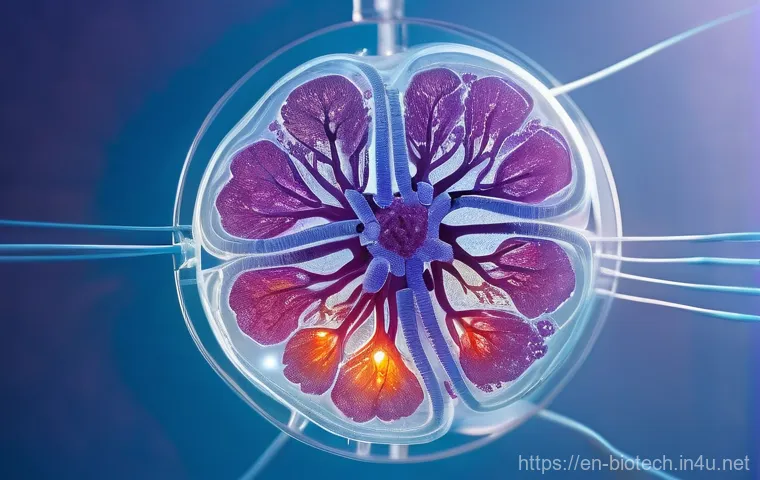
While disease modeling and drug discovery are already massive breakthroughs, the long-term vision for organoid technology is truly mind-boggling: regenerative medicine. Imagine a future where damaged organs aren’t just managed but actually repaired or replaced with new, lab-grown tissues. It sounds like something straight out of a sci-fi movie, right? But the progress being made in this area is absolutely electrifying. We’re still in the early stages, but the potential to address organ shortages and repair damaged tissues holds immense hope. When I first heard about efforts to create vascularized organoids, meaning they have their own tiny blood vessels, my mind immediately jumped to the idea of growing full organs for transplant. It’s a challenging road, but the direction is clear and incredibly exciting.
Scaffolding for Future Organ Transplants
One of the most ambitious goals in organoid research is to eventually grow full-sized, functional organs for transplantation. While we’re not quite there yet, the development of larger, more complex organoids is a critical step. Scientists are exploring ways to combine organoids with bio-printing and scaffolding techniques to create structures that mimic the complexity of a full organ. The idea is to use a patient’s own cells to grow these organs, thereby eliminating the problem of immune rejection – a major hurdle in current transplant medicine. Imagine a world where waiting lists for organs become a thing of the past because we can simply grow a new kidney or liver when needed. It’s a monumental challenge, but the incremental successes in growing vascularized and more mature organoids offer a tantalizing glimpse into this regenerative future. The sheer potential of this work makes my heart race with excitement for what’s to come.
Repairing Damaged Tissues In Situ
Beyond full organ replacement, organoids also hold promise for localized tissue repair. For conditions like inflammatory bowel disease or certain types of liver damage, it might be possible to introduce lab-grown organoid cells or even miniature organoids directly into the damaged area to help regenerate healthy tissue. This could offer a less invasive and more targeted approach to treatment. For example, researchers are investigating how intestinal organoids could be used to patch up damaged gut lining, restoring proper function and alleviating chronic symptoms. It’s not just about replacing; it’s also about restoring and healing from within. This targeted regenerative approach could drastically improve the quality of life for millions suffering from chronic conditions. I see this as a powerful bridge between current medical practices and the truly transformative potential of regenerative medicine.
Here’s a quick look at how organoids are shaking things up:
| Application Area | Key Benefits with Organoids | Real-World Impact |
|---|---|---|
| Disease Modeling | Accurate human-specific models, insight into disease progression, identification of drug targets. | Better understanding of complex diseases like Alzheimer’s, Parkinson’s, and various cancers, leading to novel therapeutic strategies. |
| Drug Discovery & Testing | High-throughput screening, improved prediction of efficacy and toxicity in humans, reduced reliance on animal testing. | Faster, more cost-effective development of safer and more effective drugs; fewer drug failures in clinical trials. |
| Personalized Medicine | Patient-specific drug testing, prediction of individual treatment response, minimization of adverse side effects. | Tailored treatments for cancer and other conditions, leading to higher success rates and better patient experiences. |
| Regenerative Medicine | Potential for growing tissues/organs for transplantation, localized tissue repair, understanding organ development. | Future solutions for organ shortages, repair of damaged tissues, and prevention of congenital defects. |
Ethical Frontiers: Navigating the Brave New World
As with any truly groundbreaking scientific advancement, organoid technology brings with it a fascinating and important set of ethical considerations. It’s a conversation we absolutely need to have, not just among scientists, but with the public at large. As these mini-organs become more sophisticated, especially brain organoids that exhibit neural activity, questions naturally arise about consciousness, identity, and the very definition of life. I believe it’s crucial that we approach these ethical dilemmas with careful thought, open dialogue, and a commitment to responsible innovation. It’s not about stifling progress, but ensuring that progress aligns with our deepest human values. I’ve been following the discussions around this closely, and it’s a constant reminder that science and ethics are two sides of the same coin.
Defining “Life” and Consciousness in a Dish
Perhaps the most profound ethical questions arise with brain organoids. As these models become more complex and capable of exhibiting electrical activity that resembles rudimentary brain waves, society starts to grapple with the idea of “mini-brains” having any form of consciousness or sentience. Where do we draw the line? Is there a point at which a lab-grown organoid transcends being just a collection of cells and gains some level of moral status? These aren’t easy questions, and there are no simple answers. Experts from various fields – ethicists, neuroscientists, philosophers – are actively debating these issues, aiming to establish guidelines that balance scientific exploration with ethical responsibility. For me, it highlights the incredible power of this technology and the need for continuous vigilance and ethical foresight as it evolves.
The Future of Human-Animal Chimeras and Identity
Another area of ethical discussion centers around the potential creation of human-animal chimeras, where human organoids might be integrated into animal models to study complex interactions. While this could offer invaluable insights into human biology and disease, it also raises questions about species boundaries and the ethical implications of creating beings with both human and animal characteristics. Furthermore, as organoids become more integral to personalized medicine, questions of data privacy and the ownership of one’s biological information become increasingly relevant. If my cells are used to grow an organoid for drug testing, who owns the data derived from that? These are complex legal and ethical landscapes that are still being charted. It’s a reminder that science doesn’t operate in a vacuum, and its advancements require us to collectively ponder the broader societal implications of our discoveries. It’s a conversation I feel passionate about contributing to, ensuring that we move forward thoughtfully.
My Own Experience: Witnessing the Organoid Revolution Firsthand
You know, for someone who’s always had a keen eye on the cutting edge of science, being alive during the organoid revolution feels incredibly special. I remember years ago, hearing whispers about stem cells and their potential, and thinking it was all so futuristic. But seeing organoid technology mature, from basic proof-of-concept experiments to truly sophisticated models, has been an absolute thrill. It’s not just abstract science for me; it’s a profound shift that I believe will touch everyone’s lives, whether directly through new treatments or indirectly through a deeper understanding of human health. I’ve had the chance to attend several conferences where leading scientists presented their latest breakthroughs, and honestly, the energy in those rooms was palpable. It felt like being at the dawn of a new era, and the sheer intellectual curiosity and dedication of the researchers were truly inspiring.
The A-Ha! Moments and Unexpected Discoveries
What’s particularly fascinating is how organoids often lead to unexpected discoveries. Researchers might be studying one aspect of a disease and stumble upon a completely new mechanism or a novel drug target that they would have never found using traditional methods. I recall a presentation where a scientist described how their brain organoids spontaneously developed intricate neural networks, revealing insights into early human brain development that were previously impossible to observe. It’s these “a-ha!” moments that truly drive science forward, and organoids seem to be a consistent source of them. It’s a testament to the power of these models to unveil the hidden complexities of our biology. Every new paper I read about organoids feels like unwrapping a new gift, filled with potential and a deeper understanding of life itself.
A Glimpse into Tomorrow: The Future is Bright
Looking ahead, the future of organoid technology seems incredibly bright, and frankly, boundless. We’re on the cusp of truly integrating these mini-organs into standard medical research and perhaps even clinical practice. Imagine a future where a personalized organoid library exists for patients with chronic conditions, allowing for continuous testing of new therapies without ever touching the patient directly. Or perhaps, one day, we’ll be able to grow replacement tissues that seamlessly integrate into the body. The advancements are happening at a blistering pace, with new types of organoids and more complex functionalities being developed all the time. As someone who’s passionately followed this journey, I genuinely believe that organoids aren’t just a fleeting trend; they are a fundamental pillar of future medicine, and I can’t wait to see what incredible breakthroughs they’ll bring next. It’s a future where health is more personalized, more precise, and ultimately, more hopeful for everyone.
Wrapping Things Up
Wow, what a journey we’ve been on today, exploring the incredible world of organoids! It truly feels like we’re peeking into the future of medicine, doesn’t it? From understanding diseases with unprecedented clarity to developing personalized treatments that could literally change lives, these tiny, lab-grown organs are proving to be nothing short of revolutionary. I honestly get goosebumps thinking about the sheer potential they hold. It’s not every day you witness a scientific breakthrough that promises to reshape so many facets of human health, and I’m genuinely thrilled to be sharing this exciting development with all of you. The conversations around organoids, both scientific and ethical, are growing, and it’s a testament to their profound impact. I hope this deep dive has sparked your curiosity as much as it has mine, and that you’re as optimistic as I am about what’s next.
Useful Information to Know
Here are a few quick takeaways and extra insights about organoids that I think you’ll find incredibly useful and fascinating:
1. They’re Not Just Mini-Organs, They’re Better Models: The key isn’t just their size, but their 3D structure and self-organization. This makes them far more biologically relevant than traditional flat cell cultures, which often don’t mimic the real environment of your body. Think of it like trying to understand a city from a 2D map versus walking through its streets – the latter gives you so much more context and detail. This accuracy is what allows for groundbreaking insights into disease mechanisms that were previously hidden from us. When researchers can see how cells interact in a complex, multi-layered environment, it opens up entirely new avenues for understanding and treating illnesses.
2. Your Own Cells Can Lead to Your Cure: One of the coolest aspects is the ability to grow organoids from *your* specific cells. This means if you have a condition, doctors could potentially test drugs on a mini-version of your affected organ, predicting what will work best for *you*. This isn’t just about general effectiveness; it’s about minimizing side effects and maximizing the chances of success right from the start. Imagine avoiding rounds of ineffective treatments because your personal “organoid avatar” already showed what would work. It’s truly empowering to think that our own biology can become a direct guide for our healing journey, making medicine far more efficient and patient-centered.
3. Ethical Debates Are a Sign of Progress (and Responsibility): When we talk about growing mini-brains in a dish, it’s natural for ethical questions to arise. Is there a point where these organoids develop consciousness? While highly speculative at current stages, these discussions are vital. They show that scientists are not just pushing boundaries, but also thinking deeply about the societal implications of their work. It’s a positive sign that research is being conducted with a strong moral compass, ensuring that as we advance, we do so responsibly. Engaging in these conversations helps us shape a future where scientific progress and human values go hand-in-hand, fostering trust and thoughtful innovation.
4. Beyond the Lab: Practical Applications Are Coming Sooner Than You Think: While much of the organoid work is currently in research labs, don’t think for a second it’s a distant dream. Patient-derived tumor organoids are already being used in some advanced cancer centers to guide treatment decisions. As the technology matures, you can expect to see organoids playing a bigger role in drug screening for common diseases, personalized treatment plans, and perhaps even as alternatives to animal testing on a broader scale. The transition from pure research to clinical application is often long, but with organoids, the potential benefits are so immense that the pace of translation is accelerating, bringing real-world impact much closer to home.
5. Stay Curious, Stay Informed: This field is evolving at lightning speed. What’s cutting-edge today might be standard practice tomorrow! Following reputable science blogs, journals, and even university research news can keep you updated on the latest breakthroughs. Understanding these advancements isn’t just for scientists; it empowers us as individuals to make more informed decisions about our health and to appreciate the incredible progress being made in medicine. Plus, it’s genuinely fascinating to watch how human ingenuity is constantly unraveling the mysteries of our own bodies. I always encourage my readers to be active participants in the conversation about the future of health!
Key Takeaways
Alright, let’s condense the absolute essentials about organoids into a quick summary. First and foremost, remember that these miniature, lab-grown organs are fundamentally reshaping how we understand and combat diseases. They’re not just simple cell cultures; they are complex, 3D structures that closely mimic the biology of full-sized human organs, providing an unprecedented level of accuracy for research. This biological fidelity is crucial for disease modeling, allowing scientists to observe disease progression and identify potential therapeutic targets with far greater precision than ever before. Secondly, organoids are revolutionizing drug discovery by offering human-relevant testbeds, leading to the development of safer and more effective medications while potentially reducing the reliance on animal testing. This is a huge step forward for both scientific rigor and ethical considerations. Thirdly, the promise of personalized medicine is becoming a tangible reality, with organoids enabling patient-specific drug screening to tailor treatments for individual needs, minimizing trial and error and improving patient outcomes significantly. Lastly, while the long-term vision of regenerative medicine — growing full organs for transplant — is still on the horizon, the ongoing advancements in organoid technology are undeniably pointing towards a future where health is more precise, effective, and deeply personalized.
Frequently Asked Questions (FAQ) 📖
Q: What exactly are these “mini-organs” or organoids you’re talking about, and how do scientists even grow them?
A: That’s a fantastic question, and one I get all the time! Think of organoids as tiny, self-organized 3D cell cultures that cleverly mimic the structure and function of real organs, just on a microscopic scale.
They’re not full-sized organs, but they do replicate many of the key multicellular, anatomical, and even functional characteristics. So, how do scientists create these biological wonders?
It generally starts with stem cells – these amazing cells have the potential to develop into many different cell types. Researchers can use embryonic stem cells (ESCs), induced pluripotent stem cells (iPSCs), or adult stem cells (ASCs), and even tumor cells.
The magic really happens when these stem cells are placed in a carefully controlled environment, often within a special gel matrix, and given the right cocktail of growth factors.
Instead of just growing flat in a dish like traditional 2D cultures, these stem cells actually self-organize and differentiate, following their own genetic instructions to form complex 3D structures that resemble miniature organs.
It’s truly like watching a tiny biological LEGO set assemble itself, right there in the lab! This ability to self-renew and self-organize, while maintaining many of the characteristics of the original tissue, is what makes them so powerful.
Q: That sounds incredible! But what are organoids actually doing for us today? How are they making a real difference in medicine?
A: Oh, where to even begin! The impact organoids are having right now is absolutely immense, and it’s only growing. For me, one of the most exciting areas is disease modeling.
Researchers are using organoids to study complex conditions like cancer, cystic fibrosis, and neurodevelopmental disorders such as autism, giving us an unprecedented look at how these diseases develop and progress, which is often difficult to observe in living organisms.
Imagine being able to grow a patient’s own mini-tumor in a dish, then test different drugs on it to find the most effective personalized treatment without them ever having to take a single dose!
That’s personalized medicine in action, and it’s truly revolutionary. Beyond that, organoids are game-changers for drug discovery and toxicology. They provide a much more accurate human-specific model for testing new medications than traditional animal models or 2D cell cultures, which often don’t translate well to human responses.
This means faster, more reliable screening of compounds, helping us predict drug efficacy and potential toxic side effects much earlier, ultimately reducing reliance on animal testing and speeding up the development of safer treatments.
And let’s not forget developmental biology; organoids are giving scientists a window into how organs form and grow, offering critical insights into birth defects and early embryonic development.
It’s a huge step forward in understanding the fundamental building blocks of life!
Q: This all sounds amazing, but are there any limitations or big hurdles organoid technology still needs to overcome before it truly revolutionizes medicine?
A: Absolutely, that’s a crucial point. While organoids are incredibly promising, they’re not a perfect replica of an entire organ, and there are definitely some significant challenges we’re still working to overcome.
From my perspective, one of the biggest limitations is often their complexity and maturity. While they mimic many aspects of organs, they typically lack full vascularization (blood vessels), complete nervous system connections, or the diverse immune cells found in a living body.
This can limit their ability to fully replicate the in vivo environment and long-term physiological functions. Another hurdle is standardization and reproducibility.
Different labs might use slightly different protocols, leading to variability in the organoids produced, which can make it tricky to compare results across studies.
Scientists are actively working on creating more standardized methods to address this. Then there’s the ethical conversation, especially when it comes to brain organoids, sometimes called “mini-brains.” Questions naturally arise about their potential for consciousness or sentience.
While current scientific consensus suggests this is highly unlikely, it’s a profound ethical discussion that researchers, ethicists, and the public need to continue to have as the technology advances.
So, while the advancements are truly mind-blowing, we’re not quite at the “grow-you-a-new-heart-tomorrow” stage, and that’s okay! These limitations are precisely what brilliant minds across the globe are dedicated to solving right now, constantly pushing the boundaries of what’s possible.