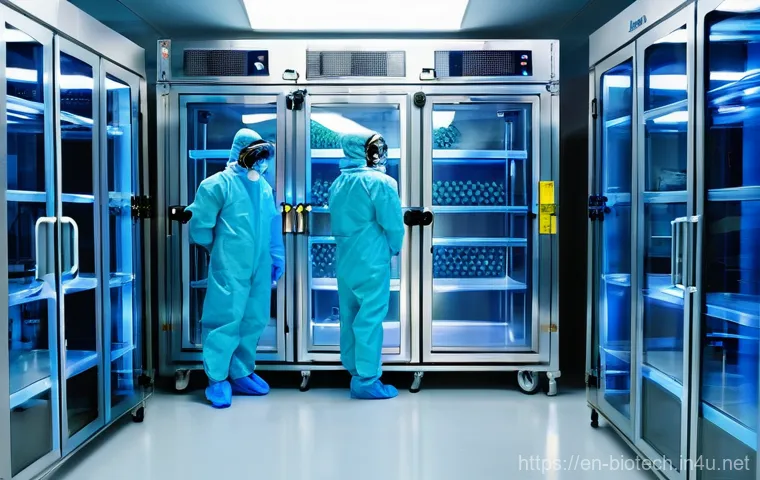
We all instantly recognize that vivid biohazard symbol, right? It’s everywhere from thrilling movies to warning labels, immediately conjuring up images of dangerous viruses and high-stakes scientific drama.
But having personally delved into the complex world of public health and safety, I can assure you that understanding “biohazard” goes far beyond a scary emblem; it’s about real, tangible threats and vital preparedness.
In today’s interconnected world, where new biological challenges seem to emerge constantly, grasping these concepts isn’t just for experts—it’s crucial for every single one of us.
I’ve seen firsthand how practical knowledge truly empowers, and I’m genuinely excited to share insights that will make a real difference in your understanding and safety.
So, are you ready to cut through the speculation and equip yourself with the essential facts and actionable tips we all need? Let’s dive in and truly get to grips with biohazards.
Understanding the Unseen Enemy: What Are We Really Talking About?
When we hear “biohazard,” it’s easy for our minds to leap straight to movie scenes filled with scientists in hazmat suits. But honestly, the reality is far more nuanced and, in many ways, more present in our daily lives than we might imagine.
From my own experiences observing public health initiatives, I’ve come to realize that a biohazard isn’t just some exotic virus; it’s any biological substance – think bacteria, viruses, toxins, or even certain allergens – that poses a threat to human health, animals, or the environment.
It could be something as obvious as medical waste in a hospital, or as subtle as harmful bacteria lurking on a common surface. The crucial distinction here is understanding that these threats are often invisible, silent, and incredibly effective at spreading if we aren’t careful.
It’s not about fear-mongering, but about equipping ourselves with the knowledge to recognize these potential dangers and respond appropriately. Knowing what we’re up against is the first, and arguably the most empowering, step towards staying safe.
Beyond the Red Symbol: Defining the Danger
You know, that iconic red symbol is fantastic for instant recognition, but it only scratches the surface of what a biohazard truly entails. Having spent time learning about various public health protocols, I’ve understood that the definition extends to anything biological that can cause disease, harm, or adverse effects.
This includes everything from the flu virus making its rounds every winter to something more specialized like a research culture in a lab. The sheer variety is astonishing, and it highlights why a one-size-fits-all approach to safety just doesn’t work.
We need to be adaptable and informed, ready to tackle different threats with different strategies, because each type of biological agent presents its own unique set of challenges and risks that require specific handling and understanding.
The Silent Spreaders: How Biohazards Move
One of the most eye-opening things I’ve learned is just how easily biological threats can spread. We often think of direct contact, but it’s so much more intricate than that.
I’ve seen firsthand how quickly airborne particles can travel, or how a contaminated surface can become a vector for disease long after the initial contact.
Whether it’s through coughing and sneezing, contaminated food or water, or even animal vectors like mosquitoes, these pathogens are always looking for a way to get around.
Understanding these transmission pathways isn’t just academic; it’s fundamental to breaking the chain of infection in our homes, workplaces, and communities.
It’s about being smart about where we go, what we touch, and how we interact with the world around us.
Navigating the Different Levels of Risk: It’s Not All the Same!
Believe me, not all biohazards are created equal. Just like you wouldn’t treat a scraped knee the same way you’d treat a broken bone, different biological threats require different levels of caution and containment.
This is something I’ve seen emphasized time and again in professional settings, where understanding these classifications is paramount to ensuring safety.
Public health experts and scientists categorize biohazards into different levels, typically from 1 to 4, based on factors like their infectivity, severity of disease, transmission routes, and the availability of preventive measures or treatments.
This categorization isn’t just bureaucratic; it’s a critical framework that dictates everything from the type of personal protective equipment (PPE) we should wear to the design of laboratories.
It’s truly fascinating how a standardized system helps manage such diverse and potent threats effectively, ensuring that resources and precautions are allocated where they are most critically needed.
Understanding Biosafety Levels (BSL): A Critical Framework
I recall a discussion with a public health specialist who explained the Biosafety Levels (BSL) system so clearly, and it truly illuminated how organized the scientific community is in managing risks.
BSL-1 agents, for instance, are generally not known to cause disease in healthy adults, like a non-pathogenic strain of E. coli. Then you move up to BSL-2, which includes common pathogens like influenza or salmonella, posing a moderate risk.
BSL-3 agents can cause serious or potentially lethal disease through respiratory transmission, think tuberculosis. And finally, BSL-4, the highest level, deals with extremely dangerous and often exotic agents for which there are no effective treatments or vaccines, like Ebola.
This tiered approach ensures that every level of risk is met with a proportionate response, from basic lab practices to maximum containment facilities.
Risk Assessment in Action: Tailoring Our Response
What’s truly crucial, and something I advocate for everyone to understand in their own contexts, is the concept of risk assessment. It’s not enough to just know the BSL; we have to consider the specific situation.
For example, a common cold virus is BSL-2, but in a crowded nursing home, its risk profile changes dramatically compared to an isolated individual. From what I’ve observed, effective risk assessment involves looking at the specific agent, the potential for exposure, the vulnerability of those exposed, and the consequences of infection.
This dynamic evaluation allows us to tailor our responses, ensuring we’re not over-reacting to minor threats but also not under-reacting to potentially severe ones.
It’s about being smart, not just scared.
Everyday Encounters: Biohazards Hiding in Plain Sight
It’s easy to dismiss biohazards as something that only happens in labs or far-off places, but having personally looked into public health data and talked to experts, I can tell you that we encounter them far more frequently than we realize in our daily lives.
Think about it: every time you prepare raw chicken in your kitchen, you’re dealing with potential biohazards like Salmonella. That used tissue you throw away?
Full of respiratory viruses. Even gardening can expose you to bacteria and fungi in the soil. It’s not about living in fear, but about having a heightened awareness of our surroundings and understanding that many common activities carry inherent biological risks.
This realization truly shifted my perspective from seeing biohazards as an abstract threat to understanding them as a very real, tangible aspect of our daily existence, requiring simple yet consistent preventive measures.
Common Places Where Biohazards Lurk
I’ve always been a bit of a clean freak, but digging into the specifics of biohazard exposure really hammered home why. Our kitchens, bathrooms, and even our offices are fertile grounds for microbes.
Picture this: kitchen sponges often harbor more bacteria than a toilet seat, and communal items like doorknobs and elevator buttons are high-touch surfaces that can quickly become transmission points for viruses.
Public transportation, gyms, and even schools are places where a myriad of microorganisms are constantly exchanged. Understanding these hotspots isn’t meant to make you paranoid, but rather to empower you to take simple, effective actions that can dramatically reduce your exposure and the risk of illness.
The Silent Culprits: Foodborne and Waterborne Pathogens
This is one area where I’ve personally become far more cautious. Foodborne illnesses, caused by bacteria like E. coli or Listeria, are incredibly common, often stemming from improper food handling, undercooking, or cross-contamination.
And then there’s water – while our tap water in many developed nations is generally safe, contaminated water sources elsewhere, or even issues with private wells, can introduce parasites and bacteria that lead to severe gastrointestinal issues.
My perspective here is simple: always wash your hands thoroughly, cook food to the right temperature, and be mindful of where your water comes from. It’s these small, consistent habits that make the biggest difference in protecting ourselves and our families from these pervasive, yet often preventable, threats.
Your Personal Shield: Simple Steps for Serious Protection
Now, this is where we get practical, and believe me, these tips are game-changers. I’ve personally adopted many of these habits into my routine, and the peace of mind knowing I’m actively protecting myself is invaluable.
We don’t need to live in a bubble, but we absolutely can and should create our own personal shield against biological threats. It’s not about complex scientific procedures; it’s about consistent, mindful practices that become second nature.
Think of it as your daily defense strategy. From what I’ve seen in public health campaigns, the most effective measures are often the simplest ones, and they rely on individual diligence.
It’s empowering to realize that much of our protection is truly in our own hands, or rather, on our hands and in our awareness.
The Power of Hand Hygiene: More Than Just Soap and Water
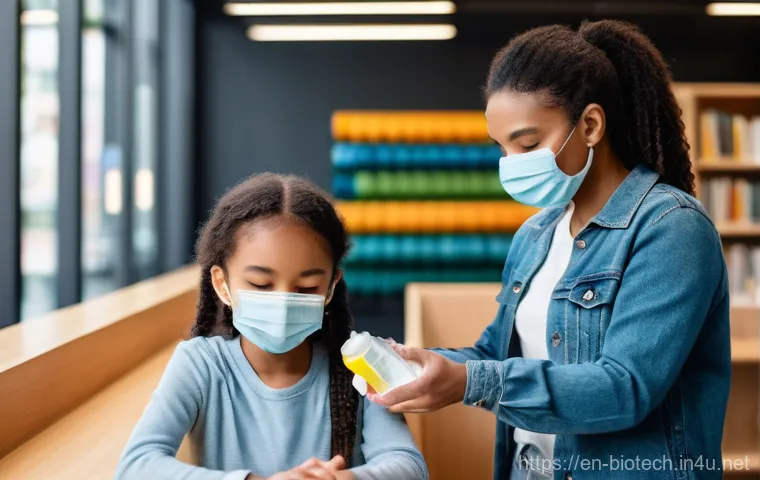
I can’t stress this enough: washing your hands effectively is perhaps the single most important defense against countless biohazards. I used to think a quick rinse was enough, but after learning about proper technique – scrubbing for at least 20 seconds, getting between fingers, and under nails – it completely changed my approach.
It’s not just about removing visible dirt; it’s about physically dislodging and rinsing away microscopic pathogens. And when soap and water aren’t available, an alcohol-based hand sanitizer (at least 60% alcohol) is your next best friend.
I always keep a small bottle in my bag, and I’ve found it incredibly useful for those moments when I’ve touched public surfaces.
Beyond Hands: Masks, Surfaces, and Personal Space
While handwashing is king, it’s not the only player on the field. Especially during flu season or outbreaks, I’ve found that wearing a mask in crowded indoor spaces can significantly reduce my exposure to airborne viruses.
And let’s talk about surfaces: regular cleaning and disinfection of high-touch areas in your home and workspace are crucial. I make it a point to wipe down my desk, keyboard, and phone daily.
Lastly, respecting personal space, especially when someone is visibly ill, is just good common sense. Sometimes, a little distance goes a long way in preventing the spread of germs.
These aren’t extreme measures; they’re just smart habits that create a more resilient personal environment.
When Things Go Wrong: Emergency Preparedness You Can’t Skip

Let’s be real, despite our best efforts, sometimes things don’t go as planned. And having personally witnessed the impact of unforeseen events, I can tell you that being prepared for a biological emergency isn’t about being paranoid; it’s about being responsible and resilient.
Whether it’s a widespread infectious disease outbreak or a localized contamination event, having a plan in place can make all the difference, not just for your safety, but for your peace of mind.
I’ve learned that reacting effectively in a crisis comes down to proactive planning during calm times. It’s about anticipating potential scenarios and having the tools and knowledge ready to deploy when they are most needed.
Don’t wait until you’re in the middle of a stressful situation to figure things out; get organized now.
Crafting Your Biohazard Emergency Kit
I always advocate for having a general emergency kit, but for biohazards specifically, there are a few additions that truly enhance your readiness. Think about having a good supply of N95 or KN95 masks, not just for you but for your family.
Include alcohol-based hand sanitizer, disinfecting wipes, and perhaps even some disposable gloves. Don’t forget non-perishable food and water, any necessary prescription medications, and a first-aid kit.
Having a comprehensive list of emergency contacts, including local health authorities, is also vital. Believe me, having these essentials prepped and accessible will reduce a huge amount of stress should an unfortunate event occur.
Staying Informed and Following Guidelines
During any emergency, information is your most valuable asset. From my experience, knowing where to get reliable updates from official sources – like the CDC or your local public health department – is paramount.
Rumors and misinformation can spread like wildfire, creating unnecessary panic. I make it a point to identify these trusted sources *before* an emergency, so I know exactly where to turn.
And when official guidance is issued, whether it’s about shelter-in-place orders, vaccination recommendations, or specific hygiene protocols, it’s absolutely critical to follow them.
These guidelines are developed by experts for a reason, and adhering to them is a collective effort that benefits everyone.
The Global Picture: Why This Matters to All of Us
It’s undeniable, especially after recent global events, that biological threats don’t respect borders. What starts in one corner of the world can, in our interconnected age, quickly become a concern for everyone.
This interconnectedness is something I’ve reflected on deeply, understanding that my personal safety, and yours, is inextricably linked to global health security.
We’re all part of a larger ecosystem, and the health challenges faced by one nation can ripple outwards, affecting economies, travel, and public health infrastructure worldwide.
It’s a powerful reminder that we’re all in this together, and a global perspective on biohazards isn’t just academic; it’s a fundamental necessity for our collective well-being and stability.
| Category of Biohazard | Common Examples | Potential Risks | Basic Prevention Tips |
|---|---|---|---|
| Viruses | Influenza, COVID-19, Norovirus, HIV, Hepatitis | Respiratory illness, gastrointestinal distress, chronic disease, severe systemic infection | Vaccination, handwashing, masks, avoiding sick individuals, safe sex practices |
| Bacteria | Salmonella, E. coli, Staphylococcus aureus (MRSA), Tuberculosis | Food poisoning, skin infections, respiratory infections, sepsis | Proper food handling and cooking, hand hygiene, cleaning surfaces, avoiding sharing personal items |
| Fungi | Aspergillus (mold), Candida (yeast), Ringworm | Respiratory issues, skin infections, allergic reactions, systemic infections (especially in immunocompromised) | Controlling moisture, good ventilation, personal hygiene, avoiding contact with contaminated surfaces |
| Parasites | Giardia, Cryptosporidium, Malaria, Worms | Gastrointestinal illness, fever, anemia, neurological issues | Safe drinking water, proper sanitation, insect repellent, cooking food thoroughly |
One World, One Health: A United Front
The “One Health” concept is something I truly believe in, and it’s particularly relevant when discussing biohazards. It recognizes that human health is intimately connected to animal health and environmental health.
Having explored this framework, I’ve come to see that pandemics don’t just spring up in isolation; they often emerge at the intersection of these three domains.
For example, many emerging infectious diseases, like avian flu or Ebola, originate in animals and then jump to humans. This understanding emphasizes the critical need for interdisciplinary collaboration – scientists, veterinarians, environmentalists, and public health officials all working together – to monitor, prevent, and respond to threats effectively.
It’s a holistic approach that acknowledges our shared vulnerability and mutual dependence.
Investing in Global Health Security: A Collective Responsibility
From my perspective, global health security isn’t just a humanitarian concern; it’s a fundamental economic and national security imperative for every country.
When outbreaks disrupt travel, trade, and supply chains, the economic fallout is immense, affecting everyone from small businesses to global corporations.
And beyond economics, the social fabric of communities can be severely strained. That’s why investing in robust surveillance systems, rapid response teams, research into new vaccines and treatments, and strengthening healthcare infrastructure worldwide is not an act of charity, but a strategic investment in our shared future.
It’s about building a collective capacity to withstand future biological shocks, because when one part of the world is vulnerable, we all ultimately are.
Future-Proofing Ourselves: Innovations and Ongoing Vigilance
Looking ahead, it’s clear that the landscape of biological threats is constantly evolving. From what I’ve observed and read, new pathogens emerge, existing ones adapt, and environmental changes can create new pathways for disease.
This ever-changing nature means that we can never truly rest on our laurels. Instead, we need to embrace a mindset of ongoing vigilance and actively support the innovations that will help us stay ahead of the curve.
It’s a dynamic challenge, but one that humanity has consistently risen to meet. My hope is that by understanding the threats and supporting advancements, we can build a future where we are better prepared and more resilient than ever before.
It’s about proactive steps today to secure a safer tomorrow for everyone.
Cutting-Edge Science: New Tools in Our Arsenal
It’s incredibly exciting to see the rapid advancements in scientific research and technology that are constantly bolstering our defenses against biohazards.
I’ve been fascinated by the development of rapid diagnostic tests, which can identify pathogens much faster, allowing for quicker isolation and treatment.
Gene editing technologies hold immense promise for developing new vaccines and antiviral therapies. And let’s not forget the power of artificial intelligence and big data, which are revolutionizing disease surveillance and outbreak prediction.
These aren’t just abstract scientific concepts; they are tangible tools that are actively being developed and deployed to enhance our collective ability to detect, understand, and combat biological threats.
The Role of Education and Community Engagement
Ultimately, no matter how advanced our technology becomes, human behavior and community action remain absolutely critical. From my perspective, ongoing education, both for individuals and communities, is key to building resilience.
This means making accurate, accessible information about biohazards and preventive measures widely available. It also means fostering a culture of preparedness and encouraging community engagement in local public health initiatives.
When people are informed, empowered, and feel a sense of shared responsibility, they become an incredibly powerful force in mitigating the impact of biological threats.
It’s about creating a society where everyone understands their role in collective safety, and that, to me, is the ultimate form of future-proofing.
Wrapping Things Up
Well, friends, we’ve covered a lot today, haven’t we? It’s truly amazing how much there is to understand about the unseen world around us. What I really hope you take away from this isn’t a sense of fear, but rather one of empowerment. Knowing about biohazards isn’t about being paranoid; it’s about being prepared, informed, and proactive in protecting ourselves and those we care about. Remember, every little step you take, from a thorough hand wash to understanding public health guidelines, contributes to a safer environment for everyone. It’s a journey of continuous learning, and I’m genuinely thrilled to be sharing it with you. Stay safe, stay informed, and let’s keep building a healthier world, together!
Useful Information to Know
1. Seasonal Health Boosters: Don’t underestimate the power of seasonal flu shots and staying up-to-date on other recommended vaccinations. These are your first line of defense against common airborne pathogens and can significantly reduce your risk of severe illness. Think of it as an annual tune-up for your immune system, a small effort that yields huge protective benefits for you and your community.
2. Travel Smart: When planning international trips, always check the CDC or WHO websites for any specific health advisories or required vaccinations for your destination. Carrying a small hand sanitizer, disinfecting wipes, and even a travel-sized pack of face masks can make a big difference on planes, trains, and in crowded tourist spots. Being a mindful traveler means protecting yourself and avoiding bringing unwelcome guests home.
3. Kitchen Safety Reminders: Cross-contamination is a silent culprit in many foodborne illnesses. Always use separate cutting boards for raw meats and produce. Thoroughly wash all fruits and vegetables, and make sure your cooking temperatures are correct for poultry and meats. I’ve found that investing in a good meat thermometer is a small price to pay for peace of mind at meal times.
4. Air Quality Matters Indoors: Beyond just visible cleanliness, think about the air you breathe at home. Regular cleaning of air filters in your HVAC system, ensuring good ventilation, and even using air purifiers can reduce airborne allergens and pathogens. This is especially crucial if you have pets or live in areas with higher outdoor pollution, creating a healthier sanctuary within your own walls.
5. Community Preparedness Engagement: Your local public health department often offers resources, workshops, or even volunteer opportunities related to emergency preparedness. Getting involved or simply staying subscribed to their newsletters can provide invaluable, localized information and a sense of community resilience. It’s a fantastic way to both learn and contribute, making everyone safer.
Key Takeaways
Navigating the world of biohazards might seem daunting, but it boils down to understanding, vigilance, and preparedness. We’ve seen that these threats range from the everyday sniffles to more serious global concerns, each demanding a tailored approach. The fundamental message is clear: knowledge is power, and simple, consistent actions form your most effective shield. By embracing robust hand hygiene, maintaining a clean environment, and understanding the differing levels of risk, you’re already leaps and bounds ahead. Furthermore, cultivating a mindset of emergency readiness and appreciating our interconnected global health landscape ensures we’re not just reacting to threats, but actively shaping a safer future. Remember, your personal health choices ripple outward, contributing to the collective well-being of us all. Stay curious, stay cautious, and most importantly, stay safe.
Frequently Asked Questions (FAQ) 📖
Q: What exactly qualifies as a “biohazard” and why should I really care about it beyond the scary symbol?
A: Oh, that’s such a fantastic question, and honestly, it’s one I get asked a lot! For years, I thought it was just about some super-rare, movie-style virus, but after spending time truly understanding public health, I realized it’s much broader and far more relevant to our daily lives than we imagine.
Simply put, a biohazard is any biological substance that poses a threat to the health of living organisms – us, our pets, and even plants. Think about it: it could be a nasty bacteria making someone sick, a virus like the flu (yes, even the common flu can be a biohazard!), certain fungi, or even toxins produced by these organisms.
What truly clicked for me was understanding that it’s not always about the dramatic, “end-of-the-world” scenarios. It’s about being aware of things like improperly disposed medical waste, contaminated food, or even certain areas after a natural disaster.
My personal takeaway? Caring isn’t about panic; it’s about empowerment. Knowing what a biohazard truly is helps you make smarter choices, whether you’re cleaning up a cut, handling raw chicken in your kitchen, or even just washing your hands properly.
It’s about being proactively safe, and trust me, that peace of mind is invaluable.
Q: Where might I actually encounter biohazards in my everyday life, and how can I spot them?
A: This is where things get really practical, and frankly, a bit surprising for most people! When I first started learning, I expected to hear about high-security labs only, but I’ve come to understand that biohazards pop up in places you might not immediately think of.
Of course, hospitals and clinics are obvious – they deal with blood, bodily fluids, and infectious diseases constantly, which is why their waste disposal protocols are so strict.
But what about closer to home? Think about your kitchen: raw meat and poultry can carry bacteria like Salmonella or E. coli if not handled properly.
Or your garden: certain soils can harbor tetanus spores. Even public spaces like restrooms, gyms, or public transport can have surfaces contaminated with viruses or bacteria, especially during flu season.
The key to spotting them isn’t about having a microscope in your pocket, but rather being hyper-aware of your environment and trusting your gut. Look for things that seem out of place: unusual spills, improperly handled waste, or even just areas that feel unsanitary.
If something looks or smells off, especially if it involves bodily fluids or decaying matter, it’s always best to err on the side of caution. And always, always practice good hygiene, like washing your hands thoroughly.
It’s a simple act, but from my experience, it’s the most powerful defense we have.
Q: If I suspect I’ve encountered a biohazard, what’s the very first thing I should do to protect myself and others?
A: Okay, this is absolutely crucial – knowing what to do immediately can make all the difference, and it’s something I believe everyone should be aware of.
My number one piece of advice, based on everything I’ve learned, is to first and foremost distance yourself from the potential source if it’s safe to do so.
If it’s something you’ve touched, avoid touching your face, eyes, or mouth until you can clean yourself thoroughly. Then, and this is super important, wash your hands immediately and thoroughly with soap and warm water for at least 20 seconds.
If soap and water aren’t available, use an alcohol-based hand sanitizer with at least 60% alcohol, though handwashing is always preferred. After that, report the situation to the appropriate authorities or management.
For example, if you see a suspicious spill in a public building, alert facility staff. If it’s a medical waste issue, contact local health services. If it’s an exposure involving yourself or someone else, seek medical attention promptly and explain the potential exposure.
Remember, it’s not about being a hero; it’s about being smart and preventing further spread. Acting quickly and responsibly not only protects you but potentially countless others.
It really underlines how much each of our actions contributes to the collective well-being.