Biosensor technology is worth considering when a biological target must be converted into a usable measurement quickly, repeatedly, or outside a traditional laboratory workflow.
Electrochemical platforms often suit compact rapid testing, wearable designs suit ongoing monitoring, and optical systems can fit laboratory analysis or workflows needing visible or multiplexed signals.
The right choice depends on the target analyte, sample type, decision speed, operating environment, and intended use. For product teams and lab managers, the purchasing decision is not just about the sensor hardware; consumables, calibration, software, data storage, cybersecurity, and support can shape the real deployment burden.
A structured comparison makes laboratory equipment quotes and biosensor supplier discussions more useful. It also helps prevent a promising research result from becoming a difficult field deployment.
At a Glance
- Rapid testing: Electrochemical biosensors are commonly considered for compact, fast measurement workflows.
- Continuous monitoring: Wearable and connected biosensor designs need attention to handling, connectivity, data storage, and user workflow.
- Laboratory analysis: Optical sensing can be relevant where signal visibility or multiplexing needs are central to the project.
| Sensing approach | Typical application fit | Accuracy and data considerations | Operating complexity | Key cost drivers |
|---|---|---|---|---|
| Electrochemical | Rapid testing, compact devices, point-of-use measurement | Sensitivity, selectivity, calibration, sample quality, contamination | Often designed for direct measurement, but handling and storage still matter | Reader hardware, disposable consumables, calibration materials, support |
| Optical | Laboratory workflows, visible signal readout, multiplexing-oriented projects | Signal interpretation, detection range, environmental conditions, repeatability | May require more attention to optical setup and workflow compatibility | Instrument configuration, software, integration, validation, maintenance |
| Wearable or connected | Continuous or remote monitoring concepts | Stability over use, user handling, temperature, humidity, data continuity | Requires device, software, connectivity, and user-experience planning | Wearable sensor supply, data platform, cybersecurity, support, replacement items |
What Biosensors Do and When They Are Worth Deploying
The basic path from biological target to readable measurement
A biosensor combines a biological recognition element with a transducer. The recognition element interacts with the target of interest, and the transducer converts that interaction into a measurable signal. That signal can then support a laboratory, operational, product, or monitoring workflow.
Common transducer methods include electrochemical, optical, piezoelectric, and thermal sensing. The method alone does not decide whether a system is appropriate. Teams must also consider the target analyte, the sample matrix, the required decision speed, the intended operating environment, and how the result will be used.
When a faster measurement can justify equipment and validation spending
A faster measurement may be valuable when it improves the timing of a business or laboratory decision. Examples include a workflow that needs a rapid check before a next production step, a food-testing process that needs an earlier screening signal, or a monitoring program that benefits from more frequent readings.
However, speed should not be evaluated in isolation. A fast result has limited operational value if the sample is handled inconsistently, calibration is overlooked, or the data cannot enter the existing laboratory information or business workflow. Decision usefulness is the practical standard: can the measurement be obtained reliably enough, at the right time, by the people who must act on it?
Three-line summary: rapid tests, continuous monitoring, and laboratory workflows
Rapid tests: Start by evaluating electrochemical options when compact form factors and fast measurements are priorities.
Continuous monitoring: Assess wearable or connected designs when repeated data collection, user handling, and data-system integration are part of the use case.
Laboratory workflows: Compare optical platforms when visible signals, analytical workflows, or multiplexing needs influence the selection.
Compare the Main Biosensor Approaches Before Choosing a System
Electrochemical sensors for compact, fast measurement
Electrochemical biosensors convert a biological interaction into an electrical signal. Glucose meters are widely recognized examples of electrochemical biosensor applications. For teams exploring rapid testing or portable measurement, this category can be a sensible starting point.
The procurement review should still go beyond the reader or sensor itself. Ask how calibration is managed, how sample quality affects results, what consumables are required, and whether storage conditions can affect performance. A laboratory equipment quote should clearly separate the hardware from disposable items, service, and any required software.
Optical sensors for signal visibility and multiplexing needs
Optical biosensors use light-related measurements to produce a signal. They may be relevant for laboratory analysis and projects where signal visibility or multiplexing needs are important. The implementation discussion should include the optical setup, the expected sample conditions, result interpretation, and compatibility with the existing workflow.
When comparing an optical platform with another sensing method, avoid treating one approach as universally more accurate. Accuracy-related performance depends on the specific analyte, sample matrix, calibration process, environmental conditions, and handling procedures.
Wearable and continuous-monitoring designs
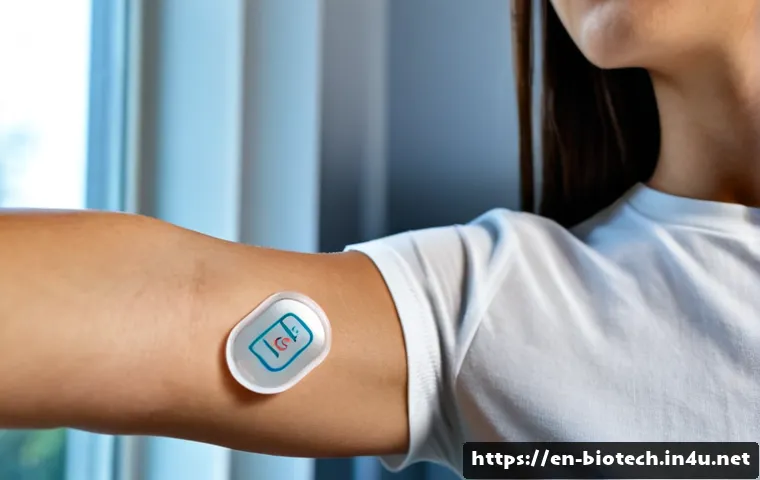
Wearable biosensors can support concepts built around repeated or continuous measurement. They also introduce a broader deployment scope. The device must be considered alongside the user experience, storage conditions, connectivity, data transfer, cybersecurity controls, and the data platform that receives and presents the measurements.
For a wearable sensor supplier comparison, teams should request clarity about operating conditions, required calibration, sensor replacement or consumable needs, software compatibility, and support boundaries. A connected biosensor is not only a sensing component; it is part of a larger data and operations system.
Comparison table: performance, workflow, integration, and cost factors
| Decision area | Electrochemical option | Optical option | Wearable or connected option |
|---|---|---|---|
| Primary workflow question | Can a compact, rapid result support the decision? | Does the workflow benefit from optical signal handling or multiplexing? | Does the use case require repeated measurement and data continuity? |
| Performance review | Sensitivity, selectivity, response time, calibration | Detection range, repeatability, signal interpretation, stability | Stability, repeatability, handling, environmental exposure |
| Integration review | Reader, consumables, laboratory workflow | Instrument, software, laboratory data workflow | Device, mobile or connected software, storage, cybersecurity |
| Quote comparison focus | Hardware and disposable consumables | Instrument configuration and software requirements | Sensor supply, data analytics integration, and technical support |
Accuracy, Validation, and Data Quality: What Can Go Wrong
Sensitivity, selectivity, detection range, and response time
Biosensor performance is commonly evaluated through sensitivity, selectivity, response time, detection range, repeatability, stability, and calibration requirements. These terms should be translated into the real decision the organization needs to make.
For example, a team should ask whether the system can distinguish the target from relevant sample conditions, whether it responds within the workflow window, and whether repeated measurements remain consistent enough for the intended application. The useful performance threshold is shaped by the project, not by a generic claim about which technology is best.
Calibration, controls, storage, and sample-handling risks
Calibration requirements deserve early attention because they affect staffing, training, scheduling, and documentation. Sample quality, temperature, humidity, contamination, storage conditions, and user handling can all affect real-world sensor performance.
A practical deployment plan identifies who prepares the sample, who confirms storage conditions, who performs calibration, and what happens when a control or measurement appears inconsistent. These details are often more important to repeatability than a headline technical feature.
Why research performance may differ from field performance
Research performance can be measured under controlled conditions. Field use may involve variable samples, changing temperatures, inconsistent handling, or workflow interruptions. This is why a promising biosensor concept should not be assumed to deliver identical results after it moves into a workplace, food-testing site, remote program, or industrial setting.
Pilot testing helps teams examine the sensor under their own sample, environment, staff, and workflow conditions. It also reveals whether the data format, support model, and integration process are workable before a broader commitment is made.
Deployment Planning for Labs, Products, and Business Operations
Define the target analyte, sample type, and required decision speed

Start with a short deployment brief. Define the target analyte, the sample type, the environment where measurement will occur, and the decision that follows the result. Then define whether the system is being considered for research, screening, diagnosis, consumer use, process control, or another purpose.
The intended-use documentation and relevant local requirements should be reviewed before a biosensor is placed into a regulated workflow. A device that appears technically capable may not be suitable for every intended use.
Hardware, consumables, software, connectivity, and cybersecurity needs
Procurement teams should use a total-cost view. The initial device is only one category. The broader scope can include disposable consumables, calibration materials, software, data storage, analytics integration, connectivity, cybersecurity controls, validation activity, maintenance, and support.
Connected systems should be reviewed for compatibility with existing laboratory or business workflows. Ask whether data can be stored and accessed in a way that fits the organization’s procedures, and determine who is responsible for cybersecurity controls at each stage of collection, transfer, storage, and access.
Pilot testing, documentation, training, and support planning
A controlled pilot can test the whole workflow rather than only the sensor output. Include sample handling, calibration, controls, storage, user training, software access, data review, and supplier support. Document deviations and unresolved questions before expanding use.
For enterprise biosensor platform selection, support planning matters. Confirm what training is available, what documentation is supplied, how troubleshooting works, and whether the vendor can support the expected operating environment. Official product documentation and detailed commercial conditions should be reviewed directly on the relevant supplier page.
Biosensor Use Cases by Operating Environment
Point-of-care and remote health monitoring considerations
Clinical diagnostics and remote health monitoring are potential biosensor application areas, but suitability cannot be assumed from the technology category alone. Intended-use documentation, local requirements, user population, data handling, and operating conditions all need review.
For healthcare innovators, the core question is not simply whether a wearable or rapid sensor can generate a reading. It is whether the complete workflow supports the proposed use without creating avoidable risks from poor handling, uncertain data quality, or inappropriate interpretation.
Food quality and contamination screening workflows
Biosensors can be designed for food testing. In this setting, teams should define what is being screened, how samples are collected and prepared, where contamination risk may enter the workflow, and how results will be documented and escalated.
A faster screening measurement can be operationally useful, but sample quality and user handling remain important. Review calibration and storage procedures before assuming a system will perform consistently across different staff, sites, or sample conditions.
Environmental and industrial process monitoring
Environmental analysis and bioprocess control are additional biosensor application areas. Industrial and environmental projects often require close attention to temperature, humidity, sample variability, contamination, and the physical operating environment.
For operations teams, integration may be as important as the sensing method. Determine how the measurement reaches the existing business workflow, who receives alerts or reports, how data is retained, and what support is required if the system is unavailable or produces unexpected readings.
Selection Criteria and Comparison Summary
Before requesting supplier quotes, use these decision checks:
- Use-case fit: Is the target analyte, sample matrix, operating environment, and required response time clearly defined?
- Performance fit: Which sensitivity, selectivity, detection range, repeatability, stability, and calibration requirements matter for the actual decision?
- Workflow fit: Can the system work with existing laboratory procedures, staff responsibilities, and business operations?
- Connected-system fit: Are software, data storage, cybersecurity controls, and data analytics integration required and compatible?
- Total-cost fit: Does the quote distinguish hardware, consumables, calibration, validation, integration, maintenance, training, and support?
- Intended-use fit: Has the documentation been reviewed for the proposed research, screening, diagnostic, consumer, or operational use?
When comparing laboratory equipment quotes or wearable sensor suppliers, request the same scope from each vendor. Ask what is included, what must be purchased separately, what calibration and consumables are needed, which software functions are provided, and what support applies after deployment. Review official specifications, intended-use information, and detailed commercial terms on the relevant supplier page before making a decision.
In Closing
Biosensor technology can improve how teams collect and use biological measurements, but the best platform depends on the deployment context. Electrochemical, optical, and wearable approaches should be compared through workflow needs rather than treated as interchangeable products. A disciplined review of data quality, calibration, integration, and total cost creates a more reliable foundation for purchasing or development. Pilot testing is especially valuable when field conditions differ from controlled research conditions.
Useful Information to Keep in Mind
1. A biosensor includes both biological recognition and a transducer that turns an interaction into a measurable signal.
2. Glucose meters are well-known electrochemical biosensor applications.
3. Environmental conditions, sample quality, contamination, storage, and user handling can influence performance.
4. Connected biosensor programs may need software, data storage, cybersecurity controls, and workflow integration.
5. The lowest initial hardware quote may not represent the lowest overall deployment burden.
Important Considerations
No single biosensor type is automatically best for every organization. Exact device, consumable, integration, maintenance, validation, and support costs require supplier quotations. Suitability for diagnosis, screening, research, or consumer use must be confirmed through intended-use documentation and applicable local requirements. This information supports comparison and planning; it does not replace technical, regulatory, clinical, or operational review for a specific deployment.
Frequently Asked Questions
Q1. How much does it cost to deploy a biosensor system for a lab or business?
A1. Exact costs depend on the selected device, consumables, calibration needs, software, integration, maintenance, validation, training, and support. Request supplier quotations that separate these categories so that hardware pricing is not mistaken for the full cost of deployment.
Q2. Which biosensor type is best for continuous monitoring versus one-time testing?
A2. Wearable or connected designs may be considered for continuous monitoring because they can support repeated data collection, while electrochemical systems are often considered for compact rapid testing. The appropriate choice still depends on the analyte, sample matrix, operating environment, decision speed, and data workflow.
Q3. What should a company verify before using biosensor data in a regulated workflow?
A3. Verify the system’s intended-use documentation, applicable local requirements, validation expectations, calibration process, sample-handling procedures, staff training, data storage, cybersecurity controls, and workflow compatibility. Whether a particular biosensor is appropriate for diagnosis, screening, research, or consumer use requires review of those specific conditions.